Key Takeaways: Capsular Contracture After Breast Implants
Capsular contracture occurs when the scar tissue capsule that normally forms around a breast implant tightens and hardens abnormally.
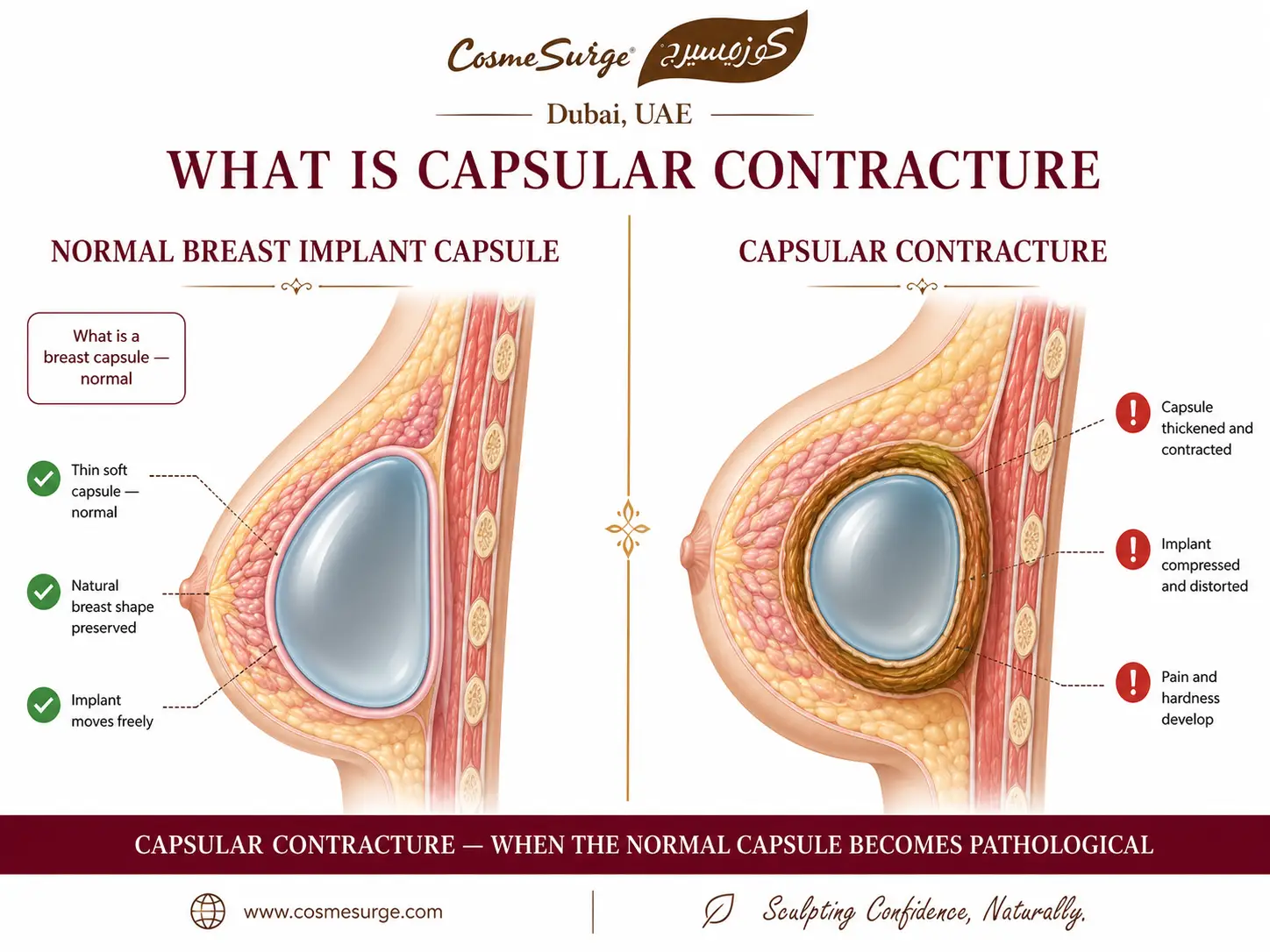
All breast implants develop a capsule – this is normal. Capsular contracture is when that capsule becomes thick, stiff, and compressive.
Symptoms range from mild firmness (Grade I-II) to severe pain, distortion, and implant hardening (Grade III-IV).
Treatment ranges from observation and non-surgical measures for mild cases to capsulectomy and implant revision for advanced grades.
It is not typically life-threatening but can significantly impact quality of life and requires medical evaluation.
Breast surgeons at CosmeSurge evaluate every patient individually to determine the most appropriate treatment approach.
Breast augmentation is one of the most commonly performed cosmetic surgical procedures in the world, and for the vast majority of patients it delivers long-lasting, satisfying outcomes. But like any surgery involving an implanted device, it carries specific long-term risks – and capsular contracture is the most discussed and most clinically significant of these.
Capsular contracture after breast implants affects a meaningful proportion of patients over a surgical lifetime. It can appear weeks after surgery or a decade later. It can be barely noticeable or profoundly uncomfortable. And it can be treated – often very effectively – when properly diagnosed and managed.
Understanding capsular contracture is essential for any patient living with breast implants. This guide covers everything: from the biology of capsule formation and the Baker Classification system, to every treatment option available and evidence-based prevention strategies.
What Is Capsular Contracture?
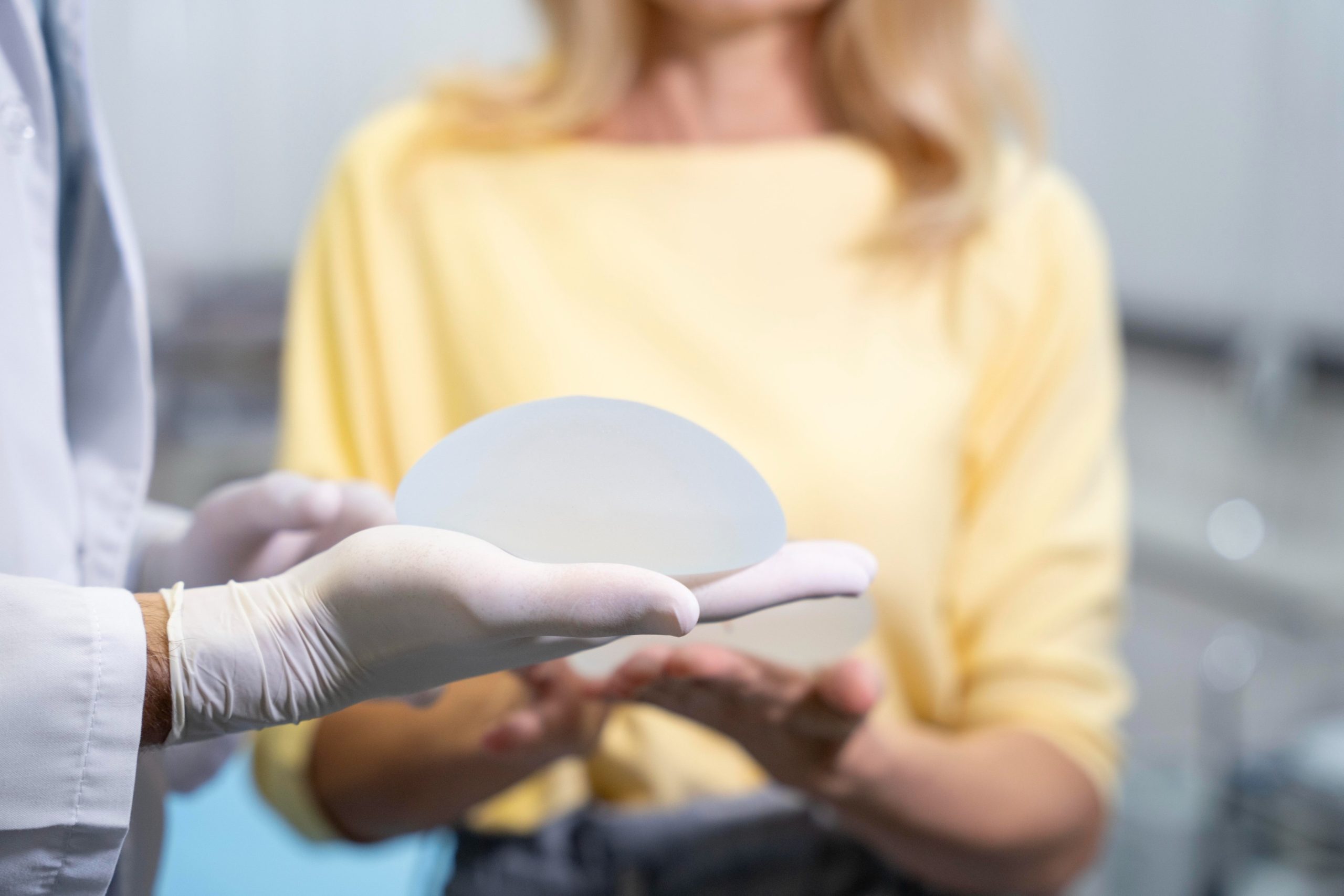
Capsular contracture is a complication of breast implant surgery in which the scar tissue that normally and naturally forms around a breast implant becomes abnormally thick, stiff, and constrictive – tightening around the implant like a hardening shell.
What Is a Breast Implant Capsule?
When any foreign object – including a breast implant – is placed inside the body, the immune system responds by encasing it in a layer of fibrous scar tissue. This layer is called the breast implant capsule, and its formation is a completely normal, expected biological process. It happens to virtually every patient who receives a breast implant, and in most cases it is a good thing – it holds the implant in position and is completely undetectable.
What is a breast capsule in normal circumstances? A thin, soft, translucent layer of collagen and fibrous tissue, typically less than 1mm thick. The patient feels nothing. The breast looks natural, the implant moves naturally, and life continues exactly as expected.
Encapsulated breast implants, encapsulated implants, implant encapsulation, and breast implant encapsulation are terms that describe this capsule formation process. They are often used interchangeably with ‘capsular contracture’ in patient discussions, but they are not the same: encapsulation describes the process of capsule formation (which is normal), while capsular contracture describes the pathological outcome of that capsule becoming abnormally tight.
When Does the Capsule Become a Problem?
Capsular contracture occurs when the normal capsule response becomes excessive. Instead of maintaining a thin, pliable structure, the capsule thickens, calcifies in some cases, and most critically – contracts. This tightening compresses the implant, distorts its shape, and can cause progressive firmness, shape change, discomfort, and ultimately significant pain.
The breast implant capsule becomes clinically significant when it crosses from normal formation into pathological contracture. This is quantified using the Baker Classification – a four-grade scale that forms the foundation of diagnosis and treatment planning for capsular contracture.
How Common Is Capsular Contracture?
Capsular contracture is the most common long-term complication of breast augmentation surgery. Published incidence rates vary depending on implant type, surgical technique, placement, and length of follow-up, but the following figures provide a clinical reference:
Approximately 10-15% of primary breast augmentation patients develop clinically significant capsular contracture (Grade III-IV) within 10 years
Rates in breast reconstruction patients following mastectomy are substantially higher – particularly in those who have received radiation therapy, where contracture rates may exceed 30-40%
Early capsular contracture (within the first year) is associated with biofilm, hematoma, or seroma, while late contracture may develop without a clear triggering event
The risk of recurrence after surgical correction is estimated at 10-25%, depending on technique, implant selection, and individual risk factors
These statistics underscore why ongoing monitoring of breast implants is important throughout life – not just in the immediate post-operative period.
What Causes Capsular Contracture?
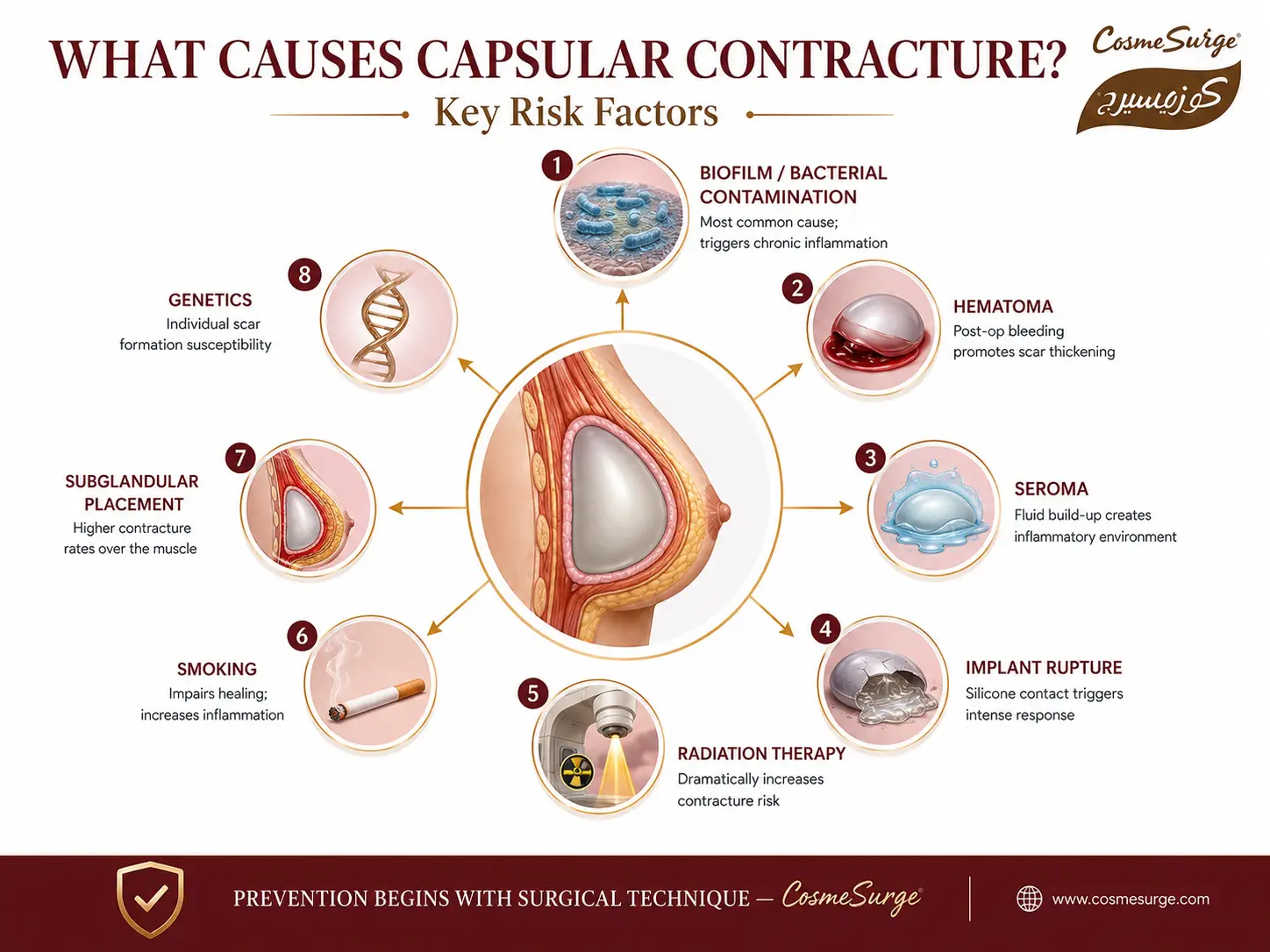
Understanding what causes capsular contracture is not simple – multiple mechanisms can contribute, and in many patients more than one factor plays a role. The table below summarizes the primary causes and risk factors:
Risk Factor / Cause | Mechanism and Clinical Relevance |
Biofilm (bacterial contamination) | Low-grade bacterial colonization of the implant surface during or after surgery triggers chronic inflammation and excessive scar formation |
Hematoma (blood pooling) | Post-operative bleeding around the implant creates an inflammatory environment that promotes capsular thickening |
Seroma (fluid accumulation) | Excess fluid around the implant increases inflammation risk and provides a medium for bacterial growth |
Implant rupture (silicone leakage) | Silicone gel escaping from a ruptured implant provokes an intense foreign body inflammatory response |
Radiation therapy | Pre- or post-operative chest radiation significantly increases capsular contracture risk in reconstruction patients |
Subglandular placement (over muscle) | Implants above the chest muscle have historically higher contracture rates than submuscular placement |
Smoking | Impairs microcirculation and wound healing, creating conditions favorable to inflammation and fibrosis |
Genetic predisposition | Individual variation in scar formation and immune response influences susceptibility |
Implant surface (smooth vs textured) | Relationship is complex and study-dependent; surface characteristics influence tissue interaction |
Biofilm and Bacterial Contamination
The biofilm theory is currently the most widely accepted explanation for capsular contracture. Subclinical bacterial contamination of the implant surface – even from transient skin bacteria during insertion, or from breast ductal bacteria migrating to the implant over time – can trigger a persistent, low-grade inflammatory response that promotes excessive scar tissue formation. The bacteria are typically non-pathogenic in this context, meaning there is no active infection, but their presence on the implant surface stimulates the immune system continuously.
This understanding has transformed surgical protocols. Meticulous antibiotic irrigation of the implant pocket, the 14-point plan for reducing capsular contracture (including specific handling techniques, irrigation protocols, and antibiotic use), and no-touch implant insertion techniques were all developed specifically to minimize biofilm risk.
Hematoma and Seroma
Blood pooling (hematoma) or fluid accumulation (seroma) around the implant in the post-operative period creates both mechanical and biological conditions that promote capsular contracture. The presence of blood or serum around the implant provides a nutrient medium for bacterial growth, and the inflammatory response to these collections – particularly if not promptly drained – can trigger the early formation of a thickened, reactive capsule. Meticulous hemostasis during surgery and appropriate post-operative monitoring are essential preventive steps.
Implant Rupture and Radiation
A ruptured silicone implant allows silicone gel to contact surrounding tissue directly, provoking an intense foreign body inflammatory response. This tissue reaction frequently leads to or worsens capsular contracture and is one of the primary reasons for monitoring implant integrity over time.
Radiation therapy to the chest – whether administered before implant placement or after (as in post-mastectomy reconstruction) – substantially and irreversibly damages tissue quality. Radiation impairs blood flow, disrupts collagen architecture, and triggers chronic inflammation – all of which dramatically increase capsular contracture risk. Capsular contracture after mastectomy in irradiated patients is one of the most challenging clinical problems in breast reconstruction.
Implant Placement, Texture, and Genetics
Problems with breast implants over the muscle (subglandular placement) include a historically higher rate of capsular contracture compared to submuscular placement. The pectoralis muscle provides a degree of mechanical protection and improved blood supply. However, problems with breast implants under the muscle include animation deformity and a more painful initial recovery.
The relationship between implant surface texture and capsular contracture risk is complex and context-dependent. Some studies support lower contracture rates with textured implants in subglandular placement, while others report no significant difference or complications specific to certain textured surfaces. The evidence continues to evolve.
Genetic factors also contribute: patients who are inherently prone to excessive scar formation – including those with keloid or hypertrophic scarring tendencies – may be at elevated risk of developing pathological capsular fibrosis around their implants.
Early Signs of Capsular Contracture
Recognizing early capsular contracture is important because early intervention generally leads to better and less invasive treatment outcomes. The earliest signs are often subtle and may be dismissed or attributed to normal post-operative changes:
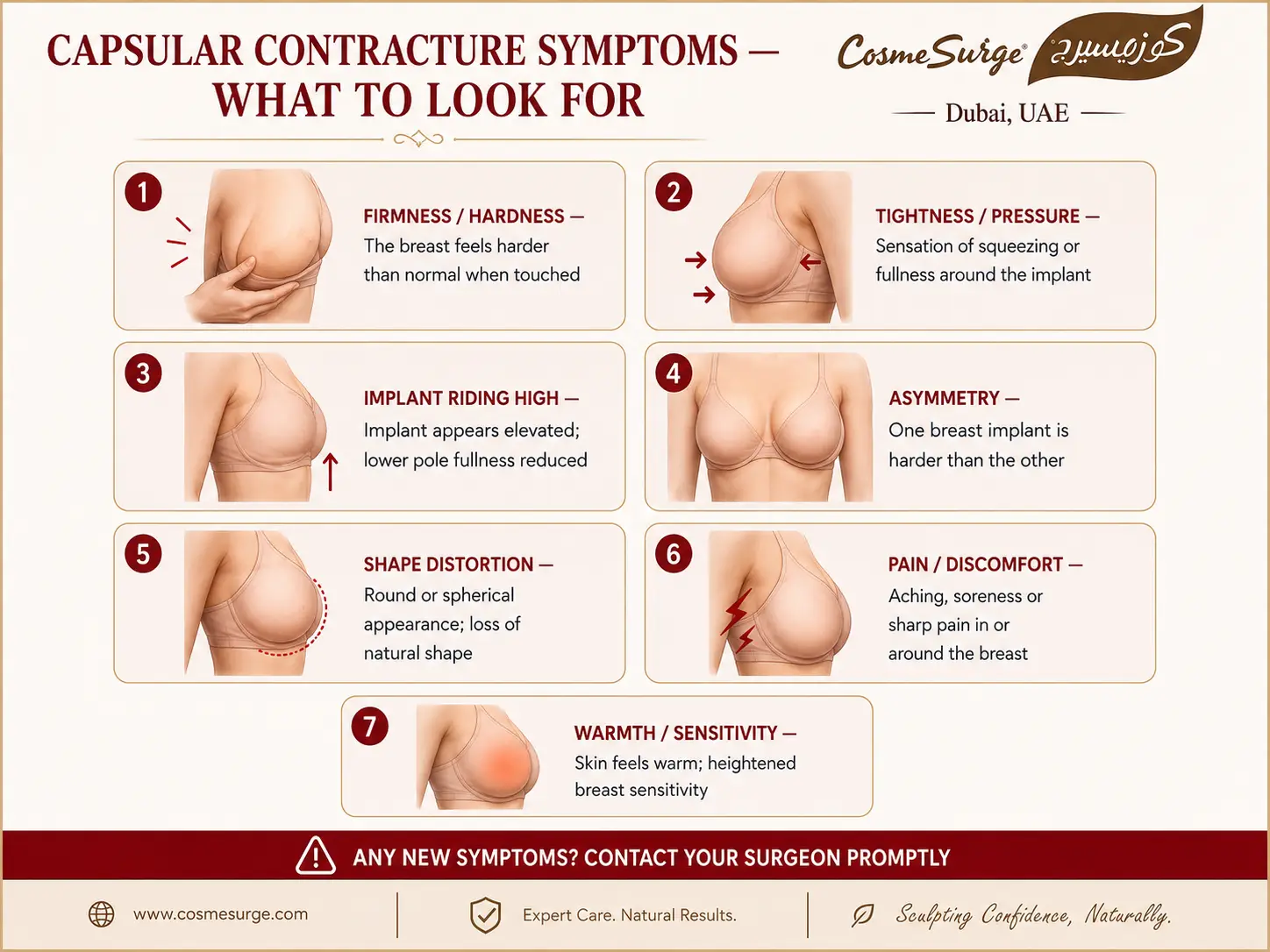
Subtle increase in breast firmness – the breast begins to feel slightly stiffer than before, particularly when compressed gently
A mild sensation of tightness or pressure within the breast, most noticeable when lying down or pressing on the breast
One implant appearing to sit slightly higher on the chest than it previously did, or than the other side
Mild asymmetry developing between the breasts – one breast implant is harder than the other
Slight loss of the natural lower pole fullness – the breast may appear rounder or less teardrop-shaped
Occasional mild discomfort or sensitivity in the breast with no obvious cause
Any of these early signs should prompt a visit to the treating plastic surgeon. Early capsular contracture images and photos can help patients understand what early visual changes look like, but a clinical examination is essential for proper grading and management planning.
Symptoms of Capsular Contracture
The following table covers the full symptom spectrum of capsular contracture of breast implant, from early mild changes to severe advanced presentations:
Symptom | What It Indicates |
Firmness or hardness of the breast | The most common early sign – the breast or implant feels firmer than normal when touched |
Breast tightness or pressure | A sensation of tightness, fullness, or pressure around the implant – often described as squeezing |
Implant riding higher than usual | The implant appears elevated; the breast loses its natural lower pole projection |
Visible shape distortion | Round or spherical appearance; loss of natural breast shape; asymmetry developing |
Pain or discomfort | Aching, soreness, or sharp pain in or around the breast – may worsen with movement |
Breast asymmetry (one harder than the other) | One breast implant is harder than the other – a common presentation of unilateral contracture |
Warmth or hypersensitivity | The breast skin feels warmer than normal; heightened sensitivity of the overlying skin |
Visible rippling or distortion | In advanced cases, the implant contours may be visible through the skin |
Coldness of the breast | In severe Grade IV cases, the compressed implant may feel cold to touch |
What Does Capsular Contracture Feel Like?
What does capsular contracture feel like? The experience depends heavily on the grade of contracture and changes over time as the condition progresses:
Grade I: The breast feels completely normal. No detectable firmness, no symptoms. The patient is unaware of any change.
Grade II: There is detectable firmness when the breast is touched or compressed – similar to a breast that is slightly tensed. No pain. The patient may notice their implant feels slightly different but is not distressed.
Grade III: The breast feels distinctly hard when touched. Tightness and pressure are present, particularly when lying on the affected side or when wearing a bra. There may be aching or soreness. The patient notices visible shape changes and discomfort that affects daily life.
Grade IV: The breast is very hard – sometimes described as ‘like touching a rock or a baseball.’ There is significant pain at rest and with pressure, movement, or clothing. The breast may feel cold to touch. The condition is distressing and significantly impacts quality of life.
What does capsular contracture pain feel like in patients who experience it? Most commonly described as a deep, persistent aching pressure – similar to a tightly inflated balloon inside the breast that cannot release. Some patients describe sharp or shooting pain with movement, while others experience a constant dull ache. Muscle spasm vs capsular contracture can sometimes be confused: muscle spasm tends to be episodic and related to movement, while contracture pain is more constant and pressure-related.
What Does Capsular Contracture Look Like?
What does capsular contracture look like? Visual changes depend on the grade of contracture and become progressively more apparent as severity increases:
Grade I: No visible change. The breast appears completely natural in shape, size, and position.
Grade II: Minimal visible change, possibly slight asymmetry. Most observers would not notice anything unusual.
Grade III: The breast may appear rounder than natural, sitting higher on the chest than expected. The lower pole fullness that gives breasts their natural teardrop shape may be reduced. Asymmetry becomes visible, particularly when the contracture affects only one breast.
Grade IV: Significant visible distortion. The breast may appear spherical, misshapen, or significantly elevated. In severe cases, the implant outline may be visible through the skin. The breast may appear smaller due to compression of the implant.
Capsular contracture photos and capsular contracture examples are widely available in medical literature and patient education resources, and reviewing these can help patients understand what visual changes to look for. However, photographic examples should never replace clinical examination – the same appearance can have different grades depending on touch, firmness, and the presence or absence of pain.
Baker Classification: Grades I-IV
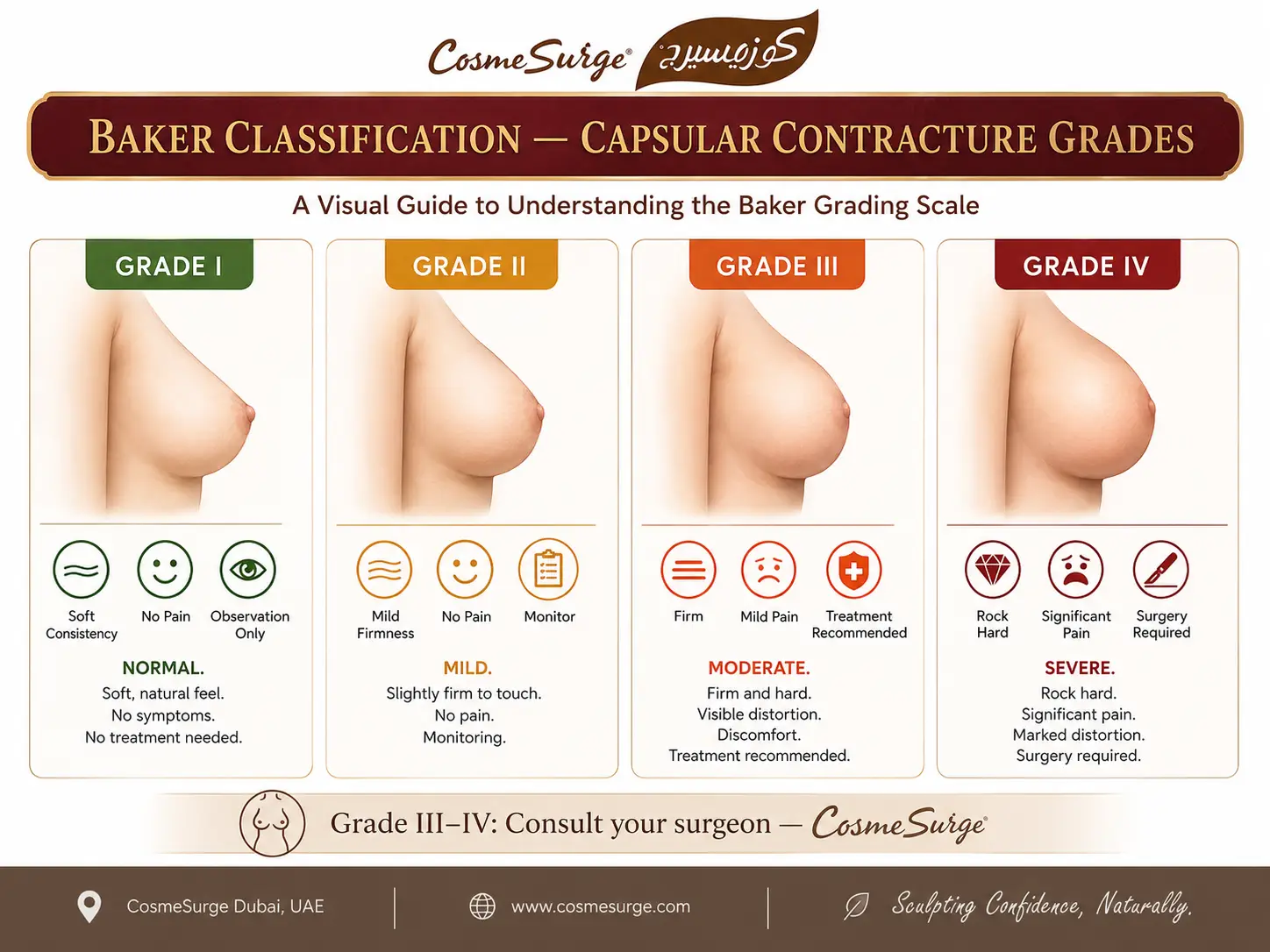
The Baker Classification system – also called Baker Grading or the Baker Scale – is the universally accepted system for grading capsular contracture severity. Understanding the Baker grades helps both patients and clinicians communicate about symptom severity, treatment urgency, and expected outcomes:
Baker Grade | Appearance | Firmness | Pain | Treatment |
Grade I | Appears completely normal; natural shape and position | Soft – normal consistency | None | Observation only; no treatment required |
Grade II | Slightly altered; minor asymmetry possible; looks mostly normal | Slightly firm; detectable by touch | None – mild | Monitoring; massage (type-dependent); review |
Grade III | Noticeably altered shape; implant may ride higher; visible distortion | Firm to hard; clearly palpable | Mild to moderate; pressure and discomfort | Non-surgical measures; surgical intervention often recommended |
Grade IV | Markedly distorted; hardened; significant shape change; cold to touch | Rock hard; rigid; painful on palpation | Significant pain at rest and with movement | Surgery required: capsulectomy and implant revision |
Baker Grade 3 capsular contracture and Baker Grade 4 capsular contracture are the grades most commonly requiring intervention. Grade III is the clinical threshold at which most surgeons recommend active treatment rather than continued monitoring. Baker Grade 4 always requires surgical management.
When Does Capsular Contracture Occur?
One of the most common questions from patients is: when does capsular contracture occur – and could my current symptoms be early capsular contracture? The answer is that it can occur at virtually any point:
Early onset (within weeks to 3 months post-op): Often associated with hematoma, seroma, or subclinical infection. Capsular contracture 3 months post op is not uncommon and should be evaluated promptly.
Intermediate onset (3-12 months): A common presentation window. The capsule has had time to form and begin thickening in response to ongoing inflammatory stimuli.
Late onset (1-5 years): Can develop in patients with previously normal implants. May be triggered by gradual biofilm accumulation, implant changes, or systemic factors.
Very late onset (10+ years): Capsular contracture after 10 years is documented and clinically recognized. Late contracture may be associated with implant wear, rupture, or changes in the tissue environment over decades.
How soon can capsular contracture occur? Theoretically, early capsular contracture can begin developing within weeks of surgery. How soon does capsular contracture occur visibly? Early firmness may be detectable at the 6-8 week post-operative mark, though it may initially be difficult to distinguish from normal post-operative swelling and healing firmness.
Can Capsular Contracture Go Away on Its Own?
Capsular contracture does not resolve spontaneously in the vast majority of cases. Once the scar tissue capsule has thickened and begun to contract, it does not self-correct without intervention. The biological process driving capsular contracture – chronic inflammation and ongoing fibroblast activity – does not switch off without treatment.
Very early Grade I-II findings may remain stable for extended periods without progressing, and some Grade II cases are managed with observation alone. However, true capsular contracture at Grade III-IV will not improve without either non-surgical management or surgery. The important clinical message is that waiting until symptoms are severe before seeking evaluation is counterproductive – early diagnosis and treatment generally lead to less invasive intervention and better outcomes.
Non-Surgical Capsular Contracture Treatment
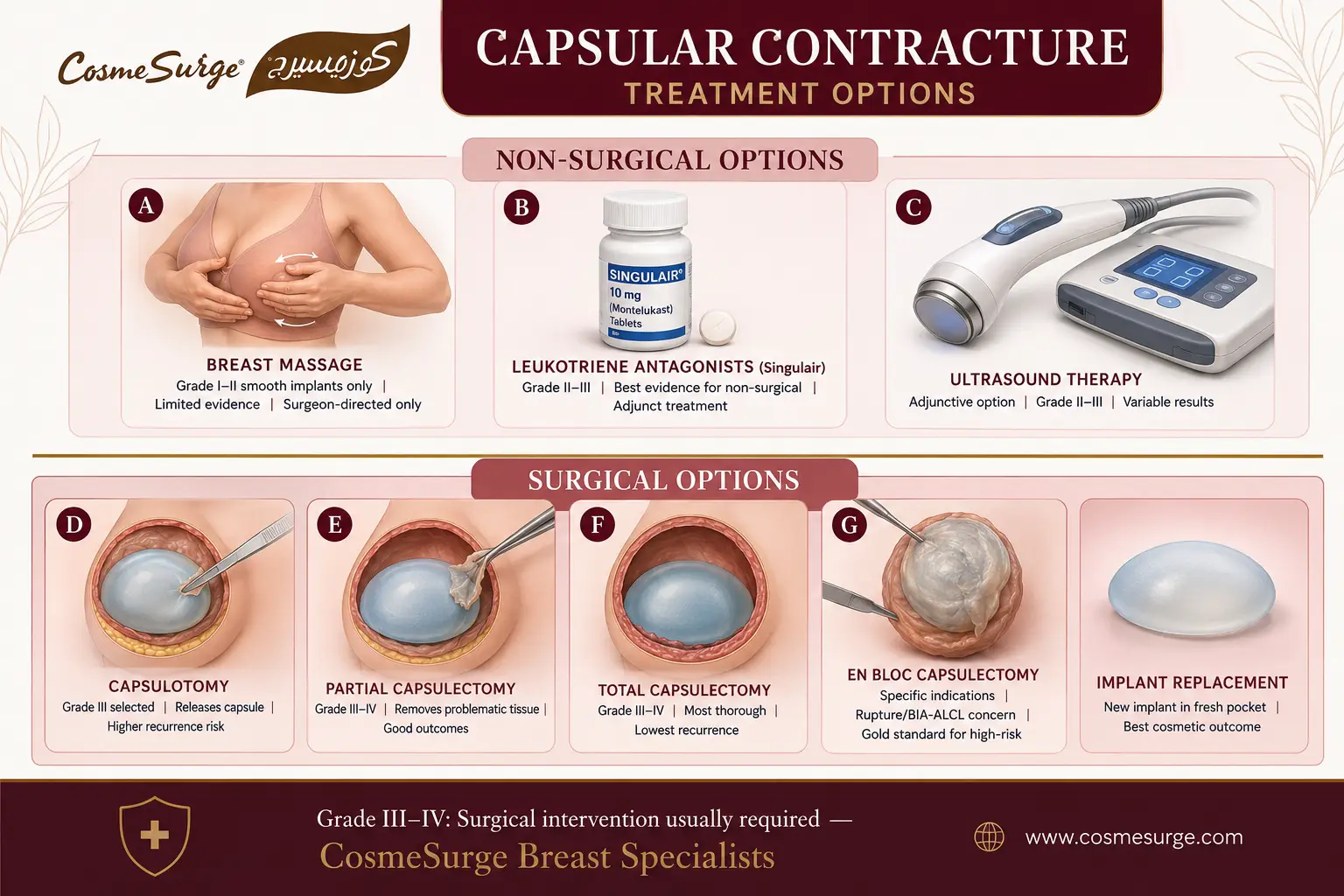
Can capsular contracture be treated without surgery? For mild to moderate cases (primarily Grade II and selected Grade III presentations), non-surgical options may provide benefit or stabilize the condition. The table below summarizes all treatment options including both non-surgical and surgical approaches:
| Treatment | Type | Best For | Effectiveness | Downtime |
| Observation / monitoring | Non-surgical | Grade I-II | Appropriate for mild, stable cases | None |
| Breast massage | Non-surgical | Grade I-II (smooth implants) | Limited evidence; technique-dependent | None |
| Leukotriene antagonists (Singulair) | Non-surgical (medication) | Grade II-III | Some evidence for mild improvement | None |
| Ultrasound therapy | Non-surgical | Grade II-III | Adjunctive; limited standalone evidence | Minimal |
| Aspen therapy | Non-surgical (manual) | Grade II-III | Limited clinical evidence base | None |
| Capsulotomy (open or closed) | Surgical | Grade III (selected) | Immediate; recurrence possible | 2-4 weeks |
| Partial capsulectomy | Surgical | Grade III-IV | Good; removes problematic tissue | 3-5 weeks |
| Total capsulectomy | Surgical | Grade III-IV | Most thorough; lowest recurrence | 4-6 weeks |
| En bloc capsulectomy | Surgical | Grade IV; BIA-ALCL concern | Gold standard for high-risk removal | 4-6 weeks |
| Implant removal only | Surgical | Any; patient choice | Resolves contracture; no implant | 2-4 weeks |
| Implant exchange + capsulectomy | Surgical | Grade III-IV | Best cosmetic outcome; new start | 4-6 weeks |
Non-surgical capsular contracture treatment options include:
- Observation and monitoring: appropriate for Grade I and stable Grade II cases. Regular clinical review ensures early detection of any progression.
- Breast massage: evidence is mixed and technique-dependent. May be appropriate for smooth implants in specific post-operative protocols. Massage is not recommended for all implant types and should only be performed on surgeon instruction – the concept of how to break up scar tissue around breast implants through massage has some support for very early, mild cases but not for established contracture.
- Leukotriene antagonists (montelukast/Singulair): the best-supported medication for capsular contracture. Leukotriene antagonists modulate the inflammatory pathway involved in scar formation. Some studies show benefit in mild to moderate cases, though evidence is not definitive. Capsular contracture medication of this type is generally used as an adjunct, not a standalone treatment.
- Ultrasound therapy: targeted therapeutic ultrasound has been explored as a way to soften fibrous tissue. Results are variable and evidence limited. Best considered an adjunctive option.
- Aspen rehabilitation therapy: a specific manual therapy approach that uses compression and manual techniques. Evidence base is limited, and clinical trials are small. Mentions of this approach should be accompanied by realistic expectations.
How to soften breast implants naturally? There is no proven non-invasive method for significantly softening established Grade III-IV capsular contracture. The measures above may help in mild cases or slow progression, but they do not reverse significant fibrosis. Capsular contracture treatment without surgery is most appropriate as an adjunct or for very mild presentations – not as a substitute for surgery in clinically significant cases.
When Is Surgery Necessary?
Surgical intervention for capsular contracture is recommended when: the capsular contracture is Grade III or IV; when symptoms (pain, tightness, visible distortion) significantly affect quality of life; when non-surgical measures have failed; or when the patient elects surgical management for Grade III following a thorough discussion of risks and benefits.
Capsulotomy
A capsulotomy involves releasing or scoring the existing capsule without removing it. Open capsulotomy (performed surgically under direct vision) allows the contracted capsule to be relaxed – the breast returns to a softer, more natural position. Closed capsulotomy (manual external compression to rupture the capsule) is no longer recommended due to risks of implant rupture and hematoma. Capsulotomy alone without capsule removal carries a higher recurrence risk than total capsulectomy.
Capsulectomy and En Bloc Capsulectomy
Capsulectomy – the surgical removal of the scar tissue capsule – is the most definitive treatment for capsular contracture. Partial capsulectomy removes the most problematic portions of the capsule. Total capsulectomy removes the entire capsule, offering the lowest recurrence risk.
En bloc capsulectomy involves removing the implant and the entire surrounding capsule as a single intact unit – without puncturing the capsule during removal. En bloc capsulectomy is the gold standard approach when there is concern about silicone leakage, implant rupture, or certain types of implant-associated conditions. It is a technically demanding procedure and requires a surgeon with specific expertise and experience. It is important for patients researching this term to understand that en bloc capsulectomy is not always necessary or appropriate – its indications are specific, and it carries higher risks than standard capsulectomy when performed unnecessarily.
Implant Replacement or Removal
Capsular contracture surgery most commonly includes implant replacement: the old implant is removed, the capsule is addressed (capsulectomy), and a new implant is placed in a fresh, clean pocket. The new implant may be of a different type, surface, or size based on the patient’s anatomy and goals. Implant removal without replacement (explantation) is a valid option for patients who choose not to continue with breast implants. Both breast implant revision and breast implant removal are procedures offered by the revision specialists at CosmeSurge, tailored to each patient’s individual circumstances. Some patients may also consider fat transfer breast augmentation as an alternative following implant removal.
Recovery After Capsular Contracture Surgery
Recovery from capsular contracture surgery is generally comparable to recovery from the original breast augmentation, though it can be longer and more complex in cases where extensive capsulectomy was required. The timeline below provides a realistic guide:
Timeframe | Recovery Milestones | Patient Guidance |
Week 1 | Rest is essential. Post-operative swelling and bruising expected. Pain managed with prescribed medication. Surgical bra or compression garment worn. Any drains (if placed) monitored. | Follow all post-operative care instructions carefully. Avoid lifting anything heavier than a cup of water. Sleep elevated to reduce swelling. |
Week 2 | Drains typically removed if placed. Swelling and bruising beginning to reduce. Most patients experience significantly less pain. Light walking encouraged. | Begin gentle wound care as directed. Continue compression garment. Avoid raising arms above shoulder height. No driving if on pain medication. |
Weeks 3-4 | Most patients return to desk-based work. Continuing reduction in swelling. Incision sites healing. Compression garment continued. | Light daily activity resumed. No strenuous exercise. Scar management may begin (silicone strips or gel as directed by surgeon). |
Weeks 5-6 | Return to most daily activities. Light lower-body exercise may begin. Upper body and chest exercise still restricted. | Attend follow-up appointment. Discuss scar treatment progress. Implants settling into position. |
Months 2-3 | Return to full exercise. Final position of implants becoming clearer. Scars maturing and fading. | Sun protection on scars essential. Final result not yet complete – patience required. |
Months 3-6 | Final results become visible as swelling fully resolves and scars continue to mature. Breast feel and shape settle completely. | Most patients report high satisfaction with results by this stage. Continue scar management as recommended. |
Can capsular contracture cause back pain? Indirectly, yes – when the contracted capsule alters posture, causes guarding, or produces referred discomfort, back and shoulder discomfort can develop alongside the primary breast symptoms. This typically resolves following surgical correction.
Can Capsular Contracture Come Back?
Yes – capsular contracture can recur after surgical treatment. Capsular contracture revision is unfortunately not a guarantee of permanent resolution. Recurrence rates after capsulectomy and implant exchange are estimated at 10-25% or higher, depending on the completeness of the initial capsule removal, the presence of ongoing biofilm, and individual patient risk factors.
Strategies used to reduce recurrence after surgery include: changing implant placement from subglandular to submuscular; using an implant with a different surface; ensuring the most complete capsule removal possible; using antibiotic irrigation protocols; and prescribing leukotriene antagonists in the post-operative period. The experienced team at CosmeSurge discusses recurrence risk and mitigation strategies with every patient undergoing capsular contracture revision surgery.
How to Prevent Capsular Contracture
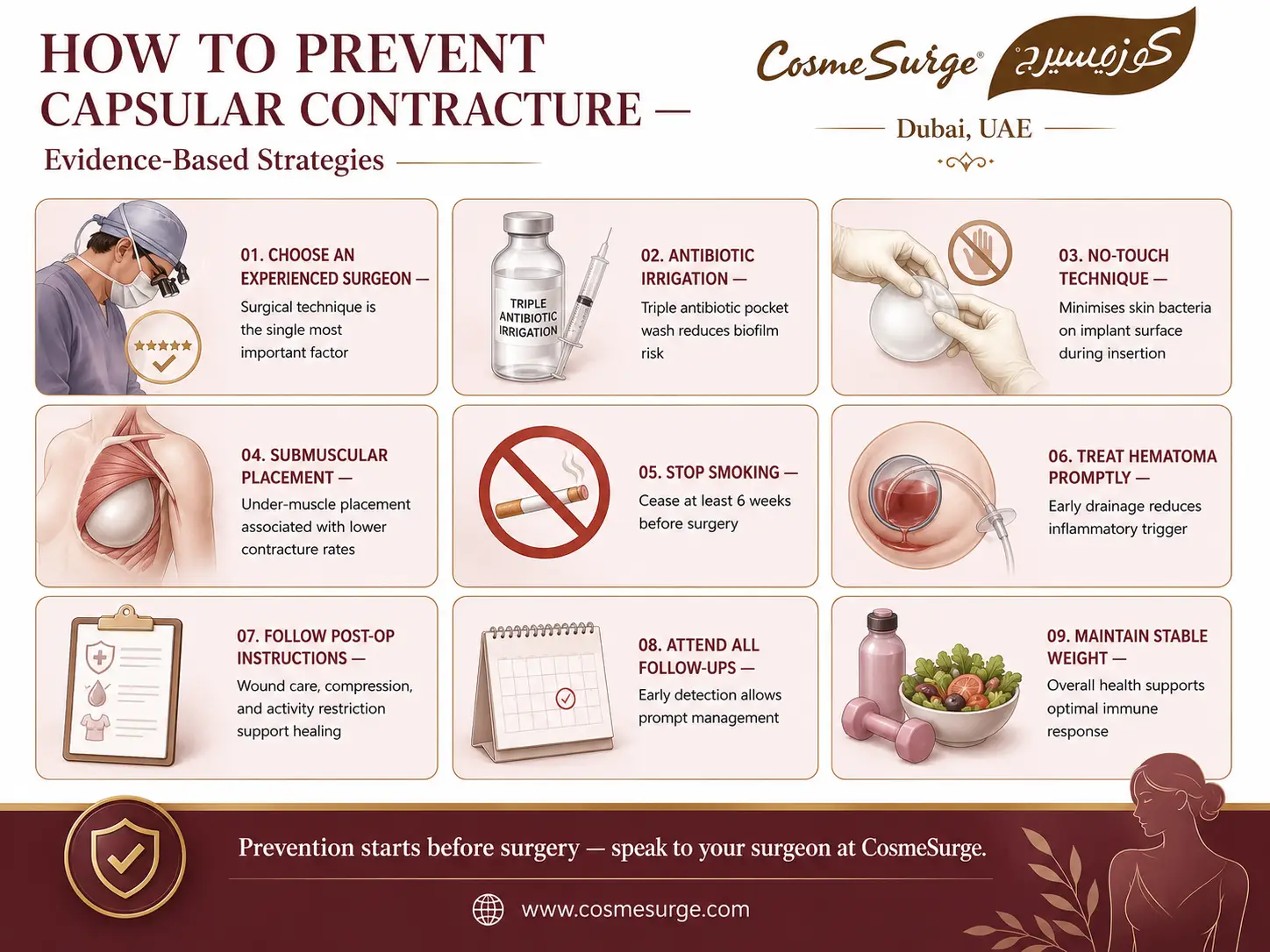
While no strategy eliminates capsular contracture risk entirely, the following evidence-based measures are associated with meaningfully lower rates:
Prevention Strategy | Why It Matters |
Choose an experienced, board-certified plastic surgeon | Surgical technique is the single most important modifiable risk factor for capsular contracture |
Ensure thorough antibiotic irrigation during surgery | The 14-point plan and triple antibiotic irrigation protocols reduce biofilm risk significantly |
Use the ‘no-touch’ implant insertion technique | Minimizes implant surface contact with skin bacteria during placement |
Request submuscular (under-muscle) placement if appropriate | Associated with lower capsular contracture rates than subglandular placement in most studies |
Stop smoking at least 6 weeks before surgery | Smoking significantly impairs wound healing and increases inflammatory risk |
Report and treat any post-operative hematoma or seroma promptly | Early intervention reduces the inflammatory trigger for capsular contracture |
Follow all post-operative care instructions carefully | Proper wound care, compression, and activity restriction support optimal healing |
Attend all scheduled follow-up appointments | Early detection of firmness or shape change allows prompt management before progression |
Discuss implant type and surface with your surgeon | An informed discussion about smooth vs textured options based on your anatomy and risk profile |
Maintain a stable weight and healthy lifestyle | Overall health and immune function influence post-operative healing and scar formation |
How to avoid capsular contracture begins before surgery – with the selection of a surgeon who prioritizes antibiotic protocols, no-touch techniques, and meticulous hemostasis. Personalized breast implant care at CosmeSurge includes pre-operative planning specifically designed to minimize capsular contracture risk for each individual patient’s anatomy and risk profile.
Breast Implants Under the Muscle vs Over the Muscle
Implant placement is one of the most clinically meaningful factors in capsular contracture risk. The table below compares submuscular (under the muscle) and subglandular (over the muscle) placement across all clinically relevant variables:
Feature | Under the Muscle (Submuscular) | Over the Muscle (Subglandular) |
Capsular contracture risk | Generally lower for subglandular position | Historically higher; especially with smooth implants |
Natural appearance | More natural; muscle softens edges; better coverage | Good upper pole fullness; less natural edge coverage |
Mammography | May be somewhat easier to read | May obscure breast tissue more; harder to image |
Animation deformity | Yes – implant may distort with pec muscle flexion | No animation deformity concern |
Pain in recovery | More intense initially due to muscle dissection | Less painful initial recovery |
Recovery duration | Typically longer due to muscle involvement | Generally shorter initial recovery |
Best candidates | Thin patients; those with minimal breast tissue | Patients with adequate breast tissue coverage; athletes |
Capsular contracture after mastectomy | Preferred placement in reconstruction; lower risk | Higher risk post-radiation; generally avoided in reconstruction |
Problems with breast implants under the muscle include animation deformity (the implant distorts when the pectoral muscle contracts during exercise or movement) and a more demanding initial recovery. Problems with breast implants over the muscle include the historically higher capsular contracture rate and potentially more visible implant edges in thin patients. The best placement for each patient is determined by individual anatomy, lifestyle, existing breast tissue, and risk factors.
When Should You Contact Your Plastic Surgeon?
Any breast implant patient experiencing the following should seek evaluation promptly – do not wait for the next routine appointment:
New firmness or hardness of one or both breasts, particularly if progressive
Pain or significant discomfort in or around the breast – especially if new onset
Visible change in breast shape, symmetry, or implant position
The breast feeling noticeably different from the other side
Tightness, pressure, or a sensation of squeezing within the breast
Breast skin appearing unusually warm, red, or inflamed
Any breast changes following a fall, impact, or trauma to the chest
Concerns about breast implant rupture, leakage, or any new breast lump
Early evaluation is always preferable. Capsular contracture is easier to manage in its earlier stages – waiting until Grade IV is reached limits treatment options and increases surgical complexity. Advanced breast revision surgery is available at CosmeSurge for patients at any stage of capsular contracture.
Common Myths About Capsular Contracture
Myth: Every hard breast implant is capsular contracture.
Fact: While capsular contracture is the most common cause of breast implant hardening, other conditions can also cause firmness – including hematoma, seroma, implant rupture with silicone spread, or simply post-operative swelling in the early healing period. Proper clinical evaluation is required to distinguish between these causes. Do breast implants get hard over time from other causes? Yes – accurate diagnosis requires examination and may require imaging.
Myth: Capsular contracture always requires surgery.
Fact: Mild cases (Grade I-II) may be appropriately managed with observation and monitoring. Non-surgical measures including massage (in specific contexts), leukotriene antagonists, and ultrasound therapy may provide benefit in moderate cases. Grade III-IV contracture, however, typically does require surgical intervention for meaningful and lasting improvement.
Myth: Massage always prevents capsular contracture.
Fact: The evidence for breast massage as a preventive strategy is mixed and technique-dependent. Massage may be appropriate for smooth implants in specific post-operative protocols but is not universally indicated, not supported for all implant types, and should only be performed on the specific recommendation of the treating surgeon.
Myth: Capsular contracture only happens shortly after surgery.
Fact: Capsular contracture can occur at any point during the lifetime of a breast implant, including decades after the original surgery. Late onset capsular contracture – including capsular contracture after 10 years or more – is well documented. This is why ongoing monitoring of breast implants throughout life is recommended.
Myth: En bloc capsulectomy is necessary for all capsular contracture cases.
Fact: En bloc capsulectomy has specific indications – primarily when implant rupture is confirmed, when there are concerns about implant-associated lymphoma, or when certain types of silicone leakage are documented. It is not appropriate or necessary for all cases of capsular contracture and carries higher surgical complexity and risk when performed without clear indication.
Frequently Asked Questions About Capsular Contracture After Breast Implants
The following answers address the most common patient questions about capsular contracture after breast implants.
Capsular contracture is a complication of breast implant surgery in which the scar tissue (capsule) that normally forms around a breast implant tightens and hardens abnormally. All breast implants develop a capsule as part of the normal healing process. In most patients, this capsule remains soft and undetectable. In capsular contracture, it thickens, contracts, and begins to compress the implant – causing hardness, shape distortion, and in severe cases, pain. It is classified using the Baker Grading Scale from Grade I (normal) to Grade IV (severe).
Capsular contracture is not typically life-threatening, but it can be significantly uncomfortable and distressing. Mild cases (Baker Grade I-II) may cause no symptoms beyond minor firmness. Severe cases (Grade III-IV) can cause significant pain, visible breast distortion, and significant impact on quality of life. Capsular contracture also requires surgical intervention in advanced grades, which carries its own risks. Any patient experiencing new firmness, pain, or shape changes should be evaluated promptly by their plastic surgeon.
The most widely accepted cause is subclinical bacterial contamination (biofilm) on the implant surface, which triggers a chronic inflammatory response leading to excessive scar tissue formation. Other contributing causes include post-operative hematoma or seroma, silicone leakage from a ruptured implant, chest radiation, subglandular implant placement, textured implant surfaces in certain contexts, smoking, and individual genetic factors affecting scar formation. No single cause explains all cases, and multiple factors may contribute simultaneously.
Capsular contracture is most often felt as firmness or hardness of the breast – the breast feels rigid rather than soft and natural when touched or compressed. In Grade II, there is mild detectable firmness without pain. In Grade III, the breast is noticeably hard with a sense of tightness, pressure, or discomfort. In Grade IV, the breast may be rock hard, painful at rest and with movement, and the implant may feel cold to touch. Some patients describe a constant squeezing sensation or a feeling of pressure inside the breast.
The earliest signs of capsular contracture typically include: the breast feeling slightly firmer than normal when touched; a sense of tightness or pressure around the implant area; the implant appearing to sit slightly higher on the chest than before; and very mild asymmetry developing between the two breasts. These early signs may be subtle and are often first noticed when comparing the breasts directly. Any new changes in firmness or breast position should be reported to your plastic surgeon promptly for evaluation.
Capsular contracture does not resolve spontaneously in the vast majority of cases. Once the capsule has thickened and contracted, it will not self-correct without intervention. Very early Grade I findings may remain stable indefinitely without progression, but true capsular contracture at Grade II or above does not improve without either non-surgical management or surgery. Early diagnosis and management generally lead to better outcomes – waiting until the condition is severe limits treatment options and increases surgical complexity.
Some mild to moderate cases (Baker Grade II-III) may be managed non-surgically. Options include breast massage (for smooth implants in specific surgical contexts), leukotriene antagonist medications such as montelukast (Singulair), ultrasound therapy, and Aspen rehabilitation therapy. However, the evidence base for these non-surgical approaches is limited and results vary. Non-surgical treatments rarely provide lasting resolution for Grade III-IV capsular contracture. Most clinically significant cases ultimately require surgical intervention for definitive improvement.
Baker Grade IV is the most severe classification of capsular contracture. At Grade IV, the breast implant is severely hardened – often described as rock hard – and the patient experiences significant pain both at rest and with movement or touch. The breast is markedly distorted in shape, the implant may ride high or appear spherical, and the breast tissue may feel cold due to the compromised blood supply caused by the tight capsule. Baker Grade IV requires surgical management – typically total or en bloc capsulectomy combined with implant replacement or removal.
Capsular contracture can occur at any point following breast implant surgery, but timing varies. Early capsular contracture (developing within the first 3-6 months) is often associated with subclinical infection or significant post-operative inflammation. Late capsular contracture (developing years or even a decade after surgery) can occur with stable implants and may be triggered by trauma, rupture, or gradual biofilm accumulation. Capsular contracture after 10 years is documented and reported, which is why ongoing monitoring of breast implants throughout life is recommended.
Yes. Capsular contracture can develop at any time following breast implant placement, including 10 or more years after surgery. Late-onset capsular contracture may be triggered by factors including gradual implant wear, subclinical bacterial processes, implant rupture, trauma to the breast, or changes in the immune environment around the implant over time. This is one of the reasons that breast implant patients are advised to undergo regular monitoring throughout their lives, not just in the immediate post-operative period.
Prevention strategies include: choosing an experienced, board-certified plastic surgeon with low personal contracture rates; requesting triple antibiotic irrigation and no-touch implant insertion technique; considering submuscular implant placement where appropriate; stopping smoking at least 6 weeks before surgery; promptly treating any post-operative hematoma or seroma; following all post-operative care instructions meticulously; and attending all follow-up appointments for ongoing monitoring. No strategy eliminates risk entirely, but these measures significantly reduce it.
Pain varies by Baker Grade. Grade I-II capsular contracture is typically painless – patients may notice firmness without any discomfort. Grade III involves mild to moderate pain, pressure, and discomfort – often described as a tightening or squeezing sensation that worsens with certain positions or activities. Grade IV involves significant pain both at rest and with movement – often described as a constant aching or sharp pain that significantly impacts quality of life. What does capsular contracture pain feel like? Most commonly, a deep, pressure-like ache within and around the breast.
Yes. Breast implants can develop increasing hardness over time as a result of capsular contracture – the progressive tightening and thickening of the scar tissue capsule that surrounds every implant. Do breast implants get hard over time? In some patients, yes – this is one of the most common long-term complications of breast augmentation. Hardening can be gradual or relatively rapid. Why do breast implants get hard? The most common explanation is capsular contracture, though implant rupture or other complications can also alter the feel of an implant.
Yes. Capsular contracture can recur after surgical treatment. Recurrence rates after capsulectomy and implant revision are lower than rates for primary augmentation but are still clinically significant – estimated at 10-25% or higher depending on the severity of the initial case, the completeness of the capsule removal, and modifiable risk factors. Using a new implant with a different surface type, considering implant placement change (subglandular to submuscular), and rigorously addressing biofilm risk are strategies used to reduce recurrence.
Yes. All breast implants develop a capsule – a thin layer of scar tissue that forms as the body’s normal response to a foreign object. This is not a complication; it is a normal and expected biological process that occurs with virtually every implanted medical device. What is a breast implant capsule in most patients? A thin, soft, flexible layer of tissue that is completely undetectable and causes no symptoms. Capsular contracture only occurs when this normal capsule becomes abnormally thick, stiff, and contracts around the implant.
Medical Disclaimer & Review
This content is for educational purposes only and does not replace professional medical advice. Always consult a qualified healthcare provider for diagnosis and treatment.
Medically reviewed by the CosmeSurge Plastic Surgery Team, Dubai,UAE.