
Vertigo / Dizziness

Vertigo and dizziness treatment in Dubai and Abu Dhabi
Feeling as though the world is spinning around you, even when you’re standing still, can be both unsettling and disruptive. Vertigo Abu Dhabi & Dubai and dizziness are among the most common symptoms experienced by people of all ages and can arise from issues within the inner ear, brain, or sensory nerves. Though often temporary, persistent or recurrent dizziness requires professional evaluation and treatment.
At CosmeSurge, our experienced ENT and neurological specialists provide comprehensive assessment and vertigo treatment in Dubai and Abu Dhabi, helping patients regain balance, confidence, and quality of life. Whether your dizziness is triggered by motion, changes in position, or underlying medical conditions, our team identifies the cause and tailors an effective treatment plan for you.
Vertigo is not a disease itself but a symptom of an underlying condition. It refers to a false sense of movement, either that you are spinning or that your surroundings are moving around you. Dizziness, on the other hand, describes a broader feeling of lightheadedness, imbalance, or unsteadiness.
These sensations can range from mild to severe and may last a few seconds or persist for days. Some patients experience nausea, vomiting, or difficulty walking during an episode.
At CosmeSurge’s vertigo clinic in Dubai, our specialists carefully differentiate between vertigo and other forms of dizziness to identify the root cause and provide precise treatment, including expert care for vertigo Abu Dhabi & Dubai.
Vertigo and dizziness can result from problems in the vestibular system (the part of the inner ear and brain that controls balance) or other medical conditions.
Common causes include:
1. Benign Paroxysmal Positional Vertigo (BPPV): The most common cause of vertigo, BPPV occurs when tiny calcium particles inside the inner ear move out of place, causing brief episodes of spinning sensations with head movements.
2. Vestibular Neuritis or Labyrinthitis: Viral infections affecting the inner ear can cause inflammation of the balance nerve, leading to sudden vertigo, imbalance, and sometimes hearing loss.
3. Meniere’s Disease: A chronic condition associated with fluid buildup in the inner ear that leads to recurrent vertigo attacks, tinnitus (ringing in the ears), and hearing fluctuations.
4. Migraine-Associated Vertigo: Some migraine sufferers experience dizziness or vertigo during or between migraine episodes.
5. Head or Neck Injury: Trauma can disrupt the vestibular system, leading to ongoing dizziness.
6. Circulatory or Neurological Problems: Low blood pressure, poor circulation, or neurological conditions like stroke or multiple sclerosis can trigger dizziness.
7. Medication Side Effects: Certain drugs, such as blood pressure medications or sedatives, can cause balance disturbances.
Understanding these potential causes helps our vertigo specialists in Dubai create a targeted treatment plan that addresses both the symptoms and their origin.
The symptoms of vertigo vary depending on the cause, but may include:
- Spinning or tilting sensation
- Loss of balance or unsteadiness
- Nausea or vomiting
- Motion sensitivity
- Ringing in the ears
- Blurred vision
- Difficulty concentrating
Some patients describe feeling as though they are being pulled to one side or floating. If these symptoms interfere with walking, driving, or daily activities, it’s important to seek professional help for vertigo Abu Dhabi & Dubai at a vertigo clinic in Dubai or Abu Dhabi.
Diagnosing vertigo requires a detailed medical history, physical examination, and sometimes specialized vestibular or imaging tests.
At CosmeSurge, our vertigo specialists in Dubai perform a thorough evaluation that may include:
- Hearing and balance tests to assess ear and nerve function.
- Dix-Hallpike maneuver to diagnose BPPV by observing eye movements during specific head positions.
- Videonystagmography (VNG) to record involuntary eye movements.
- MRI or CT scans if neurological causes are suspected.
- Blood pressure and cardiovascular assessments to rule out circulation issues.
These tests allow our best doctors for vertigo in Dubai to determine the underlying cause and select the most suitable treatment approach.
Treatment for vertigo and dizziness depends on the diagnosis and the underlying condition. At CosmeSurge, we offer personalized, evidence-based vertigo treatment in Dubai and Abu Dhabi designed to relieve symptoms and prevent recurrence.
1. Repositioning Maneuvers
For patients with BPPV, repositioning techniques such as the Epley or Semont maneuvers are used to move displaced calcium particles back to their proper location within the inner ear. These simple, painless movements often provide immediate relief.
2. Medication Therapy
Depending on the cause, your vertigo specialist in Dubai may prescribe medications to reduce symptoms or treat the underlying issue.
Common options include:
- Vestibular suppressants for acute dizziness or motion sickness
- Anti-nausea medications to relieve vomiting
- Corticosteroids or antivirals for inner ear inflammation
- Migraine-specific medications for vestibular migraines
3. Vestibular Rehabilitation Therapy (VRT)
This specialized form of physical therapy retrains the brain to maintain balance and stability. It includes exercises to improve coordination, gaze stability, and spatial orientation. VRT is especially effective for long-term recovery after inner ear disorders.
4. Lifestyle and Dietary Modifications
For conditions like Meniere’s disease, reducing salt intake and avoiding caffeine or alcohol can help prevent vertigo attacks. Staying hydrated and managing stress are also key preventive measures.
5. Treatment of Underlying Conditions
If dizziness stems from cardiovascular, neurological, or medication-related issues, our team collaborates with specialists to manage the root cause effectively.
6. Surgical Intervention
In rare cases where conservative measures fail, surgical options may be considered. Procedures may include endolymphatic sac decompression or vestibular nerve section for severe, persistent vertigo. Patients undergoing vertigo surgery in Dubai are carefully assessed to ensure suitability and safety, especially for those seeking vertigo Abu Dhabi & Dubai treatment.
With the right diagnosis and treatment, most patients experience significant improvement in their symptoms. BPPV and vestibular neuritis often resolve completely, while chronic conditions like Meniere’s disease can be effectively managed to minimize episodes.
Our best vertigo specialists in Dubai provide continuous monitoring and rehabilitation to ensure lasting balance and comfort.
Vertigo can impact daily life, making routine tasks like walking, driving, or even standing challenging. Emotional distress and anxiety are also common among patients experiencing frequent dizziness.
At CosmeSurge, we help patients manage vertigo holistically by combining medical care with patient education.
Our team provides guidance on:
- Safe movement and posture
- Sleep and hydration habits
- Avoiding triggers such as rapid head movements or bright lights
- Gradual reintroduction of physical activity
We ensure that each patient leaves our vertigo clinic Dubai with a clear understanding of their condition and a personalized plan for long-term management.
The vertigo treatment Dubai cost depends on several factors, including the type of diagnostic tests, medications, and rehabilitation sessions required. During your consultation, our team will provide a detailed cost estimate and explain all available treatment options.
At CosmeSurge, we prioritize transparency and patient trust, offering affordable, high-quality care for vertigo and dizziness in Dubai and Abu Dhabi.
Before & After


Why choose CosmeSurge for vertigo and dizziness treatment in Dubai and Abu Dhabi?
When seeking vertigo treatment in Dubai and Abu Dhabi, evaluation by a qualified ENT specialist is important for proper diagnosis. CosmeSurge provides vertigo and dizziness treatment in Dubai and Abu Dhabi following approved clinical guidelines.

Specialized expertise
Our specialists assess vertigo treatment in Dubai and Abu Dhabi through clinical examination and vestibular testing. Treatment is planned based on the underlying cause, medical history, and diagnostic findings.

Personalized care
Each vertigo treatment in Dubai and Abu Dhabi is planned after consultation and medical assessment. Management may include repositioning maneuvers, medication, therapy, or follow-up depending on the diagnosis.

Accredited medical facilities
All services are provided in licensed and accredited medical facilities with comprehensive medical facilities and appropriate diagnostic support. Evaluation and treatment are performed according to approved clinical protocols and safety guidelines.

Commitment to safety
Patients undergo proper examination before starting vertigo and dizziness treatment in Dubai and Abu Dhabi. Follow-up visits are advised to monitor symptoms and response to treatment.
Find long-term relief with the vertigo treatment in Dubai at CosmeSurge
If you have symptoms of dizziness or imbalance, you can schedule a consultation for vertigo treatment in Dubai and Abu Dhabi at CosmeSurge.
All services are provided in licensed and accredited medical facilities with comprehensive diagnostic and treatment facilities according to approved clinical standards, including care for vertigo Abu Dhabi & Dubai.
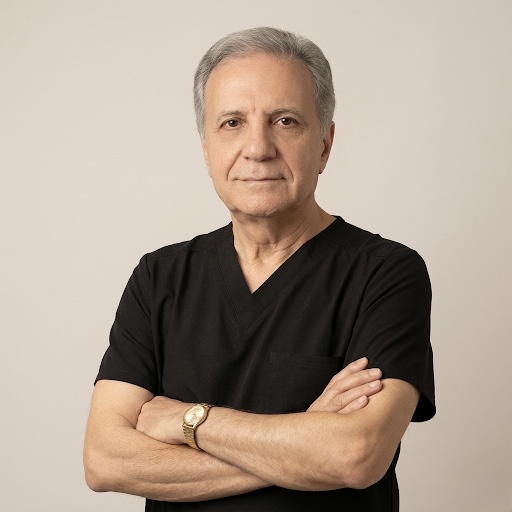
Know your specialists



FAQs
Vertigo is most commonly caused by inner ear problems such as BPPV, Meniere’s disease, or vestibular neuritis, but vertigo Abu Dhabi & Dubai can also result from migraines or head injuries.
Not exactly. Vertigo involves a spinning sensation, while dizziness can mean lightheadedness or imbalance.
Episodes may last a few seconds to several hours, depending on the cause. Some chronic conditions cause recurrent episodes over months, especially in cases related to vertigo Abu Dhabi & Dubai.
Diagnosis involves hearing tests, balance assessments, and sometimes imaging scans to identify the underlying cause of vertigo Abu Dhabi & Dubai.
The best vertigo treatment in Dubai depends on the cause. BPPV often improves with repositioning maneuvers, while inflammation or Meniere’s disease may require medication and lifestyle changes.
Yes, many cases are completely curable, especially BPPV and vestibular neuritis. Chronic conditions can be managed effectively to minimize symptoms, including cases of vertigo Abu Dhabi & Dubai.
You should consult the best vertigo specialist in Dubai if dizziness lasts longer than a few days, affects your balance, or is accompanied by hearing changes, headaches, or nausea.
While vertigo itself is not usually dangerous, it increases the risk of falls or accidents if untreated. It can also be an indicator of other health issues that need attention, making timely diagnosis and vertigo Abu Dhabi & Dubai treatment important.
Some patients recover in one or two sessions, while others with chronic vertigo may require ongoing therapy for several weeks.
Yes. Avoiding caffeine, alcohol, and sudden movements, managing stress, and staying hydrated can all help reduce vertigo Abu Dhabi & Dubai episodes.