
Hemorrhoids

Hemorrhoids in Dubai
Hemorrhoids, or piles, are swollen veins in the lower rectum and anus. They can cause pain, itching, bleeding, and discomfort during bowel movements. If left untreated, hemorrhoids may get worse and affect your comfort and confidence. For effective hemorrhoids treatment in Abu Dhabi & Dubai, early consultation is recommended.
At CosmeSurge, we offer minimally invasive hemorrhoids treatment in Dubai and Abu Dhabi, tailored to your needs. Our experienced surgeons and proctologists provide both non-surgical and surgical approaches, including state-of-the-art hemorrhoids laser treatment Dubai, ensuring fast recovery and lasting relief.
If you are seeking the hemorrhoids doctor in Dubai, advanced laser surgery, or professional piles treatment Dubai or Abu Dhabi, our team is ready to help you feel comfortable and at ease again.
Hemorrhoids are swollen and inflamed veins found inside or around the anus and rectum. They are like varicose veins, but they develop in the anal area because of increased pressure in the lower rectum.
There are two main types of hemorrhoids:
- Internal Hemorrhoids: Located inside the rectum and are usually painless, though they may bleed.
- External Hemorrhoids: Found under the skin around the anus and often cause pain, swelling, and discomfort.
Some people may also get thrombosed hemorrhoids, which happen when a blood clot forms inside the vein. This can cause severe pain and swelling, and may require hemorrhoids treatment in Abu Dhabi & Dubai.
The most common causes include:
- Chronic constipation or straining during bowel movements
- Prolonged sitting, especially on the toilet
- Obesity or being overweight
- Pregnancy and childbirth
- Low-fiber diet
- Heavy lifting or physical exertion
- Aging, which weakens rectal tissues
- Family history of hemorrhoids
Knowing the cause helps your hemorrhoids doctor Abu Dhabi & Dubai and your hemorrhoids doctor Dubai to select the ideal treatment plan for long-term relief.
The symptoms of hemorrhoids in Dubai can vary depending on their type and severity. Common symptoms include:
- Itching or irritation around the anus
- Pain, swelling, or lumps near the anal area
- Bright red bleeding after bowel movements
- Discomfort while sitting
- Mucus discharge or soiling
- Feeling an incomplete evacuation after using the toilet
If your symptoms continue, it’s essential to see a hemorrhoids specialist in Dubai or Abu Dhabi for a diagnosis and timely treatment to prevent complications.
At CosmeSurge, our specialists carefully assess your condition to confirm if you have hemorrhoids and their type. If you’re looking for a hemorrhoids doctor Abu Dhabi & Dubai, diagnosis may include:
- Physical examination: The doctor examines the anal area for external hemorrhoids or swelling.
- Digital rectal examination: A gloved finger is used to check for internal hemorrhoids or abnormalities.
- Anoscopy or Proctoscopy: A small, lighted instrument is used to view internal hemorrhoids clearly.
- Colonoscopy: Recommended if there’s unexplained rectal bleeding or in older patients to rule out other conditions.
After diagnosis, our team creates a personalized hemorrhoids treatment Dubai plan to ensure optimal outcomes.
For mild to moderate cases, hemorrhoids can often be treated without surgery. Non-surgical options include, especially when guided by the best doctor for hemorrhoids in Abu Dhabi & Dubai:
1. Lifestyle and dietary changes
- Increase fiber intake (fruits, vegetables, whole grains)
- Drink 8–10 glasses of water daily.
- Avoid straining during bowel movements.
- Exercise regularly
- Maintain a healthy body weight.
2. Medications and topical ointments
- Piles medicine in Dubai includes creams, suppositories, or oral medications that reduce pain, inflammation, and itching.
- You can also use over-the-counter creams to help reduce the swelling of the veins.
3. Rubber Band Ligation
This is a simple procedure where a small rubber band is placed around the base of the hemorrhoid. This cuts off its blood supply, causing it to shrink and fall off on its own.
4. Sclerotherapy
A chemical solution is injected into the hemorrhoid, causing it to shrink and eventually disappear over time.
5. Infrared Coagulation (IRC)
Infrared light is used to seal blood vessels and shrink the hemorrhoid tissue. This method works well for early-stage hemorrhoids, making it a preferred option for hemorrhoids treatment in Abu Dhabi & Dubai.
For severe or recurrent cases, hemorrhoids laser treatment Dubai offers a modern, painless, and very effective solution.
This advanced method uses focused laser energy to target and shrink hemorrhoid tissue without harming nearby areas. The procedure is done under local or general anesthesia and usually takes less than an hour.
Benefits of Laser Hemorrhoid Surgery include:
- Minimal pain and bleeding
- No stitches required
- Faster healing and recovery
- Lower risk of recurrence
- Short hospital stay (often same-day discharge)
The hemorrhoids laser treatment Dubai price varies based on its severity and the number of hemorrhoids being treated. At CosmeSurge, we offer transparent pricing and customized packages tailored to your specific needs.
Recovery after hemorrhoids laser treatment Dubai or surgery for hemorrhoids in Dubai is usually quick and comfortable. Most people can return to their normal activities in a few days.
Postoperative care includes:
- Keeping the anal area clean and dry
- Taking warm sitz baths to relieve discomfort
- Using prescribed pain medications and ointments
- Eating fiber-rich foods to prevent constipation
- Avoiding heavy lifting for a few weeks
Your hemorrhoids specialist in Dubai will schedule follow-up visits to monitor your recovery and ensure a smooth healing process for patients seeking hemorrhoids treatment in Abu Dhabi & Dubai.
The hemorrhoids surgery cost in Dubai depends on several factors, such as:
- The type of treatment (laser, stapled, or traditional)
- Severity and number of hemorrhoids
- Hospital facilities and the surgeon’s expertise
- Anesthesia and post-surgery care
At CosmeSurge, we provide affordable, transparent pricing for all piles treatment in Dubai cost and piles operation cost in Dubai, ensuring the highest standards of medical care and patient safety.
For patients seeking laser options, the piles laser treatment cost in Dubai is discussed during consultation, based on the treatment plan suggested by your doctor.
Before & After


Why choose CosmeSurge for hemorrhoids treatment in Dubai and Abu Dhabi?
When seeking hemorrhoids treatment in Dubai and Abu Dhabi, evaluation by a qualified specialist is important for accurate diagnosis. CosmeSurge provides piles and hemorrhoids treatment in Dubai and Abu Dhabi following approved clinical guidelines.
Specialized expertise
Our specialists assess hemorrhoids treatment in Dubai and Abu Dhabi through clinical examination and diagnostic evaluation. Treatment may include medical management, minimally invasive procedures, or surgery depending on severity.

Personalized care
Each piles treatment in Dubai and Abu Dhabi is planned after consultation and medical assessment. Management depends on hemorrhoid grade, symptoms, and patient condition.

Accredited medical facilities
All procedures are performed in licensed and accredited medical facilities with comprehensive medical facilities and appropriate surgical support, including hemorrhoids treatment in Abu Dhabi & Dubai. Evaluation, treatment, and follow-up are carried out according to approved clinical protocols and safety guidelines.

Commitment to safety
Patients undergo proper medical evaluation before starting hemorrhoids treatment in Dubai and Abu Dhabi. Follow-up visits are advised to monitor recovery and response to treatment.
Take the first step toward relief from hemorrhoids in Dubai & Abu Dhabi
If you have symptoms such as pain, bleeding, or swelling, you can schedule a consultation for hemorrhoids treatment in Dubai and Abu Dhabi at CosmeSurge. All services are provided in licensed and accredited medical facilities with comprehensive surgical and treatment facilities, including hemorrhoids treatment in Abu Dhabi & Dubai, according to approved clinical standards.
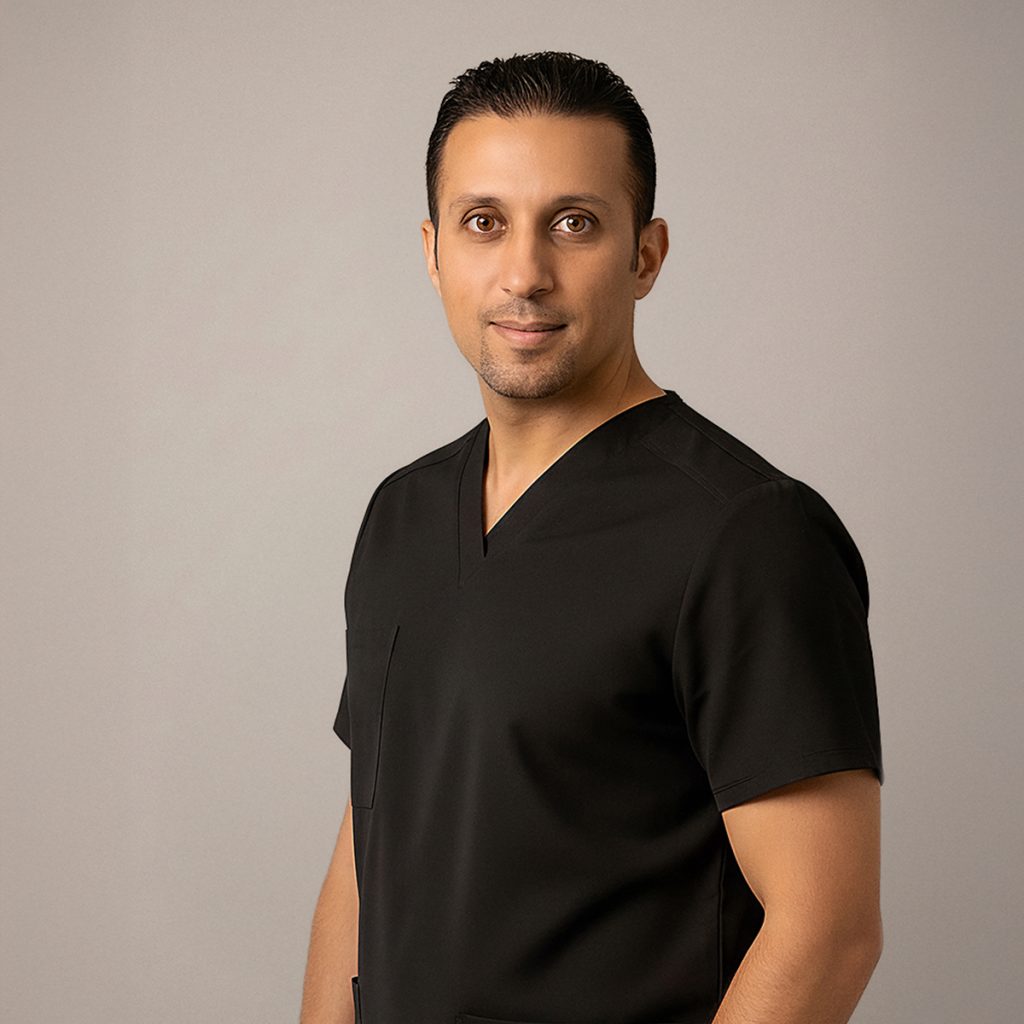
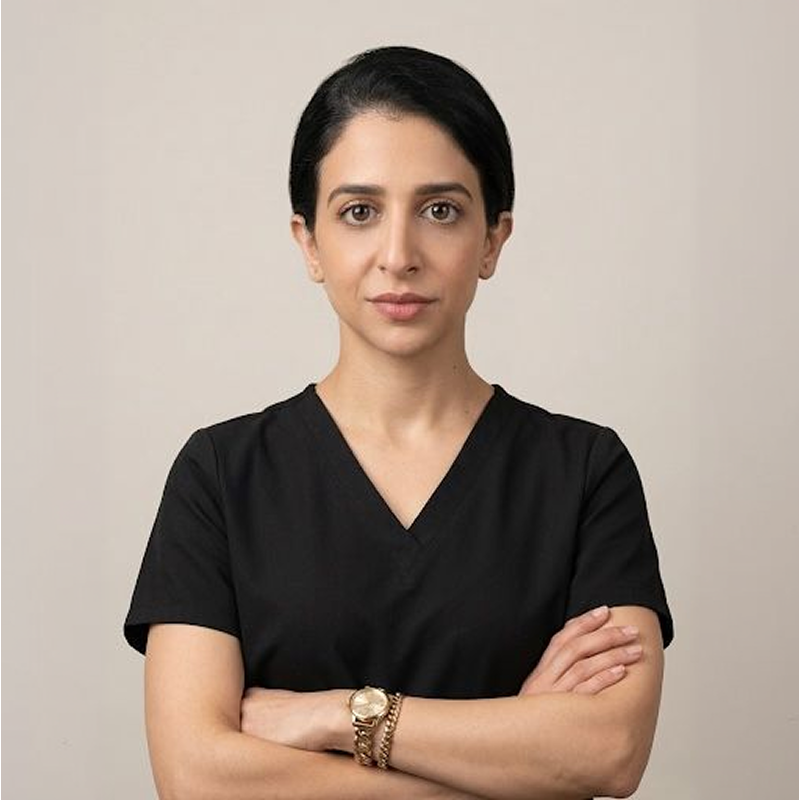
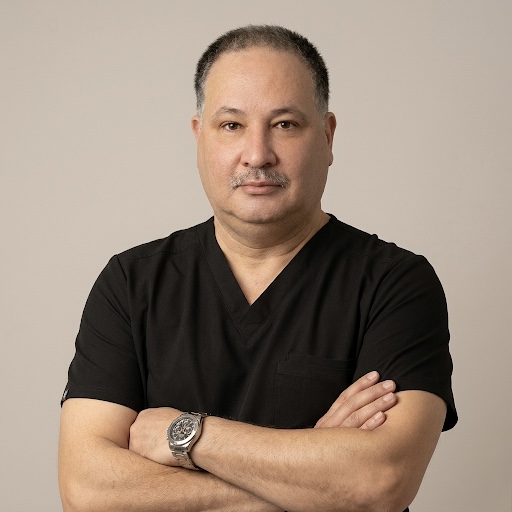
Know your specialists


FAQs
Hemorrhoids are swollen veins in the lower rectum or anus that cause pain, itching, and bleeding during bowel movements.
Common causes include chronic constipation, straining, sitting for long periods, pregnancy, and a low-fiber diet, often treated by a hemorrhoids doctor Abu Dhabi & Dubai.
Symptoms include bleeding, itching, swelling, and discomfort around the anus, as well as a feeling of incomplete bowel emptying—consulting a hemorrhoids doctor Abu Dhabi & Dubai can help ensure proper diagnosis and treatment.
A piles specialist doctor in Dubai conducts a physical exam and may perform an anoscopy or colonoscopy for internal hemorrhoids.
Lifestyle changes, medications, hemorrhoids treatment in Abu Dhabi & Dubai, rubber band ligation, and sclerotherapy are effective for mild cases.
A modern, minimally invasive procedure using laser energy to shrink hemorrhoidal tissue with minimal pain and downtime, making it a popular option for hemorrhoids treatment in Abu Dhabi & Dubai.
No. It’s performed under anesthesia by an experienced hemorrhoids doctor Abu Dhabi & Dubai and causes minimal discomfort, with faster healing compared to traditional surgery.
The hemorrhoid surgery cost in Dubai depends on the procedure type, hospital facilities, and the surgeon’s expertise. Transparent pricing is provided during consultation.
Yes. “Piles” is the common term for hemorrhoids, referring to swollen veins in the anal region, and consulting the best doctor for hemorrhoids in Abu Dhabi & Dubai can help ensure accurate diagnosis and effective treatment.