
Acid Reflux / GERD

Acid reflux (GERD) treatment in Dubai
If you frequently experience heartburn, regurgitation, or a burning sensation in your chest after eating, you may be suffering from acid reflux or GERD, a chronic digestive condition that adversely affects millions of people worldwide. Left untreated, it can acutely impact your quality of life and cause long-term complications such as esophagitis, ulcers, or even precancerous changes in the esophagus.
At CosmeSurge, we provide advanced and personalized solutions for acid reflux treatment in Dubai, offering both medical and surgical approaches to help you restore comfort, eliminate symptoms, and enjoy life without constant digestive discomfort.
Our gastroenterology specialists combine precise diagnostics, evidence-based treatments, and minimally invasive techniques to ensure lasting relief for patients suffering from GERD in Dubai.
Acid reflux occurs when stomach acid frequently flows backward into the esophagus, irritating its lining. When this condition becomes persistent, happening two or more times a week, it is diagnosed as Gastroesophageal Reflux Disease (GERD).
In healthy digestion, a muscular ring called the lower esophageal sphincter (LES) acts as a valve between the stomach and esophagus. In people with GERD, this valve weakens or relaxes abnormally. This then allows stomach acid to escape into the esophagus, leading to irritation and discomfort.
The symptoms of acid reflux in Dubai vary depending on severity, but often include:
- Frequent episodes of heartburn or burning sensation in the chest
- Regurgitation of food or sour liquid
- Difficulty swallowing (dysphagia)
- Chest discomfort or pain
- Chronic cough or hoarseness
- A feeling of a lump in the throat
- Bad breath or excessive burping
In severe cases, GERD may also cause inflammation or narrowing of the esophagus, resulting in difficulty eating and weight loss. Persistent symptoms should always be evaluated by a specialist offering GERD treatment in Dubai to prevent complications.
Several factors could lead to acid reflux and GERD. These include:
- Weak lower esophageal sphincter (LES) function
- Obesity or being overweight
- Hiatal hernia (a condition where the upper part of the stomach pushes through the diaphragm)
- Pregnancy (due to hormonal changes and abdominal pressure)
- Smoking and excessive caffeine or alcohol intake
- Certain medications, such as NSAIDs or sedatives
- Poor eating habits – overeating or lying down soon after meals
Genetics, stress, and lifestyle factors also play a role in triggering chronic reflux symptoms.
- Upper Endoscopy (EGD): A flexible tube with a camera is inserted through the mouth to examine the esophagus and stomach for inflammation or damage.
- pH Monitoring: Measures and assesses acid levels in the esophagus over 24 hours to confirm reflux episodes.
- Esophageal Manometry: Evaluates muscle strength and function in the esophagus and LES.
- Barium Swallow X-ray: Highlights structural abnormalities, such as hiatal hernias or narrowing.
These advanced diagnostic tools help create a personalized treatment plan tailored to your condition’s severity.
Acid reflux treatment in Dubai typically begins with conservative methods, including dietary adjustments and medications. However, if symptoms persist, minimally invasive surgical options are available to provide permanent relief.
1. Lifestyle and Dietary Modifications
- Maintain a healthy weight.
- Avoid trigger foods such as spicy dishes, fried items, chocolate, citrus, and caffeine.
- Eat smaller, more frequent meals instead of large portions.
- Avoid lying down immediately after eating (wait at least 2–3 hours).
- Elevate the head of your bed to reduce nighttime symptoms.
- Quit smoking and limit alcohol consumption.
2. Medication-Based GERD Treatment
Doctors may prescribe one or more of the following:
- Antacids: Deliver quick relief by neutralizing stomach acid.
- H2 Blockers: Reduce acid production and provide longer-lasting relief.
- Proton Pump Inhibitors (PPIs): Strongly suppress acid production and promote healing of the esophageal lining.
- Prokinetics: Help strengthen the LES and improve digestion.
When medications and lifestyle changes are not enough, surgical GERD treatment in Dubai offers lasting solutions with excellent outcomes.
1. Laparoscopic Nissen Fundoplication
This is the gold-standard surgical treatment for GERD. The surgeon strengthens the LES by wrapping the upper part of the stomach (fundus) around the lower esophagus, preventing acid reflux.
2. LINX Procedure
A minimally invasive alternative that involves placing a small magnetic ring around the LES. The magnets help the valve stay closed while still allowing food to pass normally.
3. Hiatal Hernia Repair
If a hernia contributes to reflux, surgical correction restores the stomach’s proper position and prevents acid flow into the esophagus.
These procedures are performed laparoscopically, ensuring minimal scarring, faster recovery, and long-term relief from reflux symptoms.
Choosing acid reflux treatment in Dubai offers patients several key advantages:
- Permanent relief from heartburn and acid reflux
- Improved digestion and reduced inflammation
- Minimally invasive techniques for quicker recovery
- Better sleep and quality of life
- Lower risk of complications such as ulcers or Barrett’s esophagus
- Personalized care tailored to your symptoms and medical history
With advanced technology and expert bariatric and gastrointestinal surgeons, Dubai has become a trusted destination for comprehensive GERD management.
Your doctor will assess factors such as:
- Frequency and severity of symptoms
- Response to medication
- Presence of complications like esophagitis or Barrett’s esophagus
For patients who are overweight or obese, gastric sleeve or gastric bypass surgery can also help reduce GERD symptoms. By lowering abdominal pressure and acid production, these procedures not only aid weight loss but also address the root cause of reflux in many individuals.
Our specialists at CosmeSurge often evaluate patients with both obesity and GERD to determine the most effective combined approach.
The acid reflux treatment cost in Dubai varies depending on the type of treatment required, whether medical management, endoscopic intervention, or laparoscopic surgery.
Factors influencing the GERD Dubai cost include:
- The surgeon’s expertise and hospital facilities
- Diagnostic tests performed (endoscopy, pH monitoring, etc.)
- Type of surgery or treatment
- Anesthesia and recovery care
At CosmeSurge, we provide transparent, individualized cost estimates after consultation, ensuring you fully understand the scope of your treatment. Our focus is always on achieving long-term results safely and effectively.
Before & After


Why choose CosmeSurge for GERD treatment in Dubai and Abu Dhabi?
When seeking GERD treatment in Dubai and Abu Dhabi, evaluation by a qualified specialist is important for accurate diagnosis. CosmeSurge provides GERD treatment in Dubai and Abu Dhabi following approved clinical guidelines.

Specialized expertise
Our specialists assess acid reflux and GERD treatment in Dubai and Abu Dhabi through clinical examination and diagnostic tests. Treatment is planned based on symptoms, severity, and medical findings.

Personalized care
Each GERD treatment in Dubai and Abu Dhabi is planned after consultation and medical assessment. Management may include lifestyle advice, medication, or surgical treatment depending on clinical condition.

Accredited medical facilities
All services are provided in licensed and accredited medical facilities with comprehensive medical facilities and appropriate diagnostic support. Evaluation and treatment are carried out according to approved clinical protocols and safety guidelines.

Commitment to safety
Patients undergo proper medical evaluation before starting GERD treatment in Dubai and Abu Dhabi. Follow-up visits are advised to monitor symptoms and response to treatment.
Take control of your digestive health with GERD treatment in Dubai & Abu Dhabi
If you have symptoms such as heartburn or acid reflux, you can schedule a consultation for GERD treatment in Dubai and Abu Dhabi at CosmeSurge. All services are provided in licensed and accredited medical facilities with comprehensive diagnostic and treatment facilities according to approved clinical standards.
Know your specialists
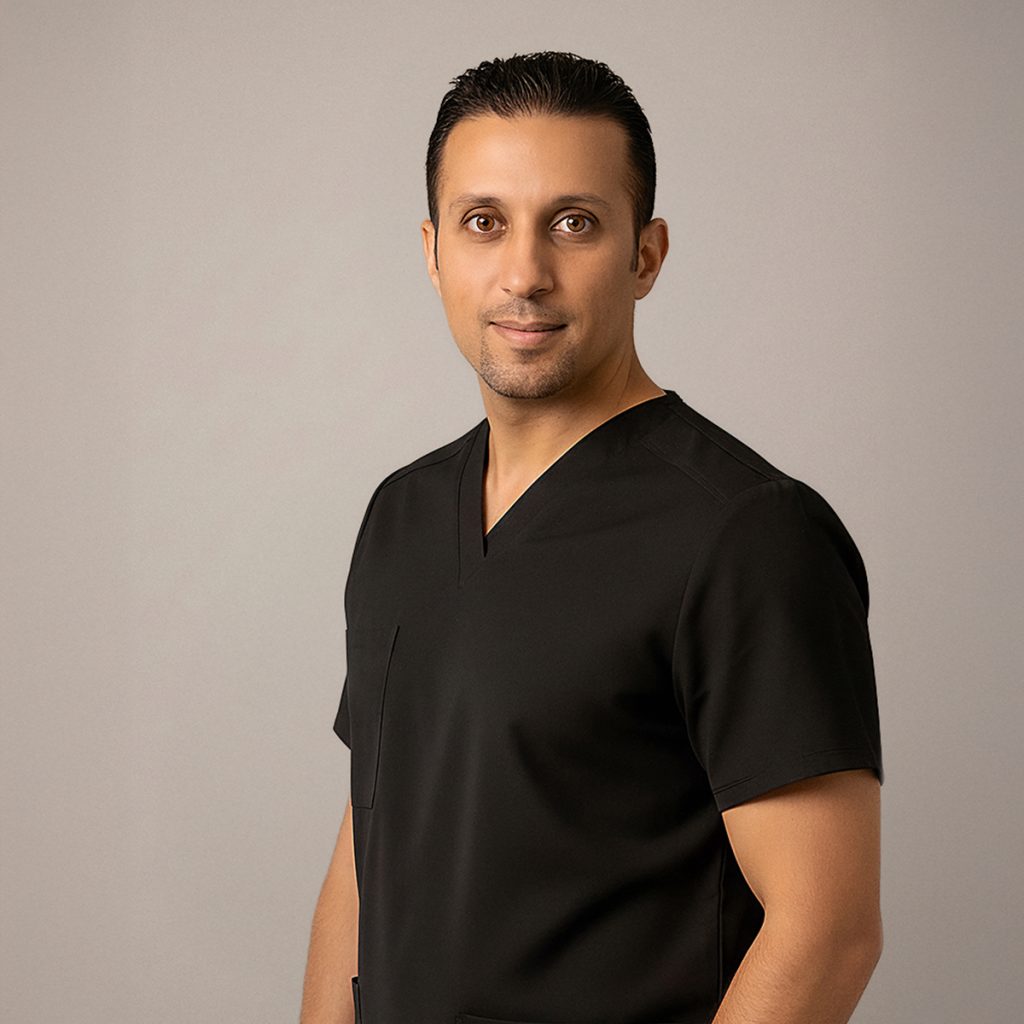


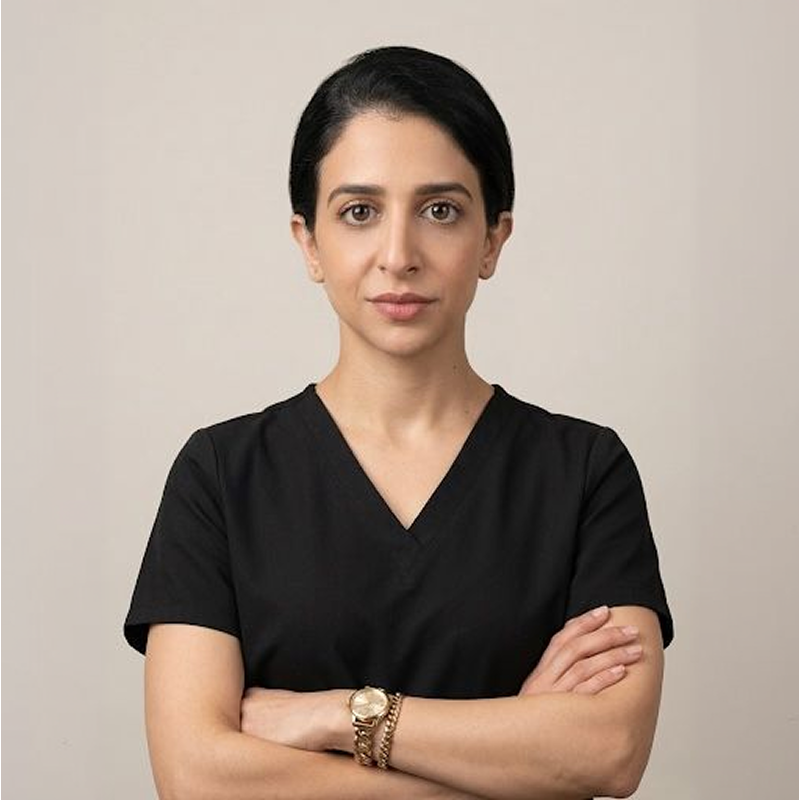
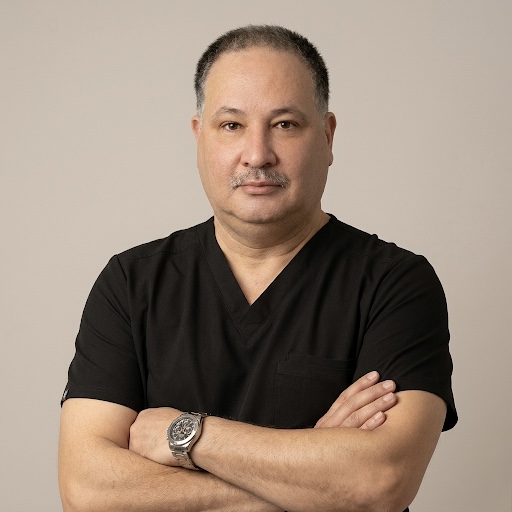
FAQs
Acid reflux is the occasional backward flow of stomach acid into the esophagus. GERD (Gastroesophageal Reflux Disease) is the chronic form of acid reflux that occurs frequently and requires medical treatment.
GERD is caused by a weak or malfunctioning lower esophageal sphincter (LES), allowing stomach acid to flow back into the esophagus. Contributing factors include obesity, diet, pregnancy, and hiatal hernia.
Symptoms include heartburn, regurgitation, chest discomfort, sore throat, cough, and difficulty swallowing.
GERD is diagnosed through endoscopy, pH monitoring, esophageal manometry, or barium swallow tests performed by experienced gastroenterologists.
Yes. Mild GERD can often be managed with medications, dietary changes, and lifestyle adjustments. Surgery is considered for severe or medication-resistant cases.
Procedures include laparoscopic Nissen fundoplication, LINX implantation, and hiatal hernia repair, all performed using minimally invasive techniques.
Most patients recover within 1-2 weeks and experience immediate improvement in reflux symptoms.
Yes. When carried out by experienced surgeons in accredited hospitals, GERD surgery is safe, with a high success rate and minimal complications.
The gastric reflux or GERD treatment cost in Dubai varies depending on diagnostic tests, medications, or surgery type. Personalized cost estimates are provided after consultation.
With proper lifestyle management and medical follow-up, recurrence is rare. Maintaining a healthy weight and avoiding trigger foods helps prevent relapse.