
Urological Tumors

Urological cancer treatment in Dubai & Abu Dhabi
Urological cancers affect the organs of the urinary tract and male reproductive system, including the kidneys, bladder, prostate, ureters, and testicles. These cancers may develop slowly in some patients, while in other cases they can grow more aggressively, making early diagnosis and proper medical evaluation important.
At CosmeSurge, we provide urological cancer evaluation and treatment in Dubai and Abu Dhabi through qualified specialists using approved diagnostic methods and evidence-based treatment options. Our multidisciplinary team of urologists, oncologists, and surgeons works together to support accurate diagnosis, treatment planning, and follow-up care for different types of urological cancers.
We offer modern diagnostic facilities, surgical management, and minimally invasive procedures when clinically appropriate. Treatment plans are individualized based on the patient’s condition, medical history, and specialist assessment, with the aim of providing safe and appropriate care according to international medical guidelines.
Our approach focuses on early detection, proper medical management, and continuous monitoring to support patient safety and overall well-being throughout the treatment process.
Urological cancers are malignancies that begin in the urinary system or male reproductive organs. They can develop in different parts of the urinary tract, including:
- Kidney (Renal) Cancer
- Bladder Cancer
- Prostate Cancer
- Testicular Cancer
- Ureteral Cancer
- Penile Cancer
These cancers can cause symptoms such as blood in the urine, trouble urinating, or pain in the back and abdomen. Early detection and treatment by a specialized urological cancer treatment center in Dubai can make a life-changing difference in prognosis and quality of life.
1. Kidney (Renal) Cancer
Kidney cancer starts when abnormal cells grow in the kidney tissue. The most common type, called renal cell carcinoma, makes up almost 90% of cases.
Symptoms:
- Blood in urine
- Persistent back pain
- Fatigue or unexplained weight loss
Treatment Options:
- Partial or total nephrectomy (surgical removal of the kidney or tumor)
- Targeted therapy and immunotherapy for advanced stages
Our urological cancer treatment in Dubai uses advanced imaging, minimally invasive robotic surgery, and personalized therapies to protect kidney function and remove tumors effectively.
2. Bladder Cancer
Bladder cancer starts in the inner lining of the bladder and is one of the most common types of urinary cancers. It is often related to smoking or contact with certain chemicals.
Symptoms:
- Blood in urine (often painless)
- Frequent urination or urgency
- Pelvic pain
Treatment Options:
- Transurethral resection of bladder tumor (TURBT)
- Intravesical therapy (chemotherapy or immunotherapy delivered directly to the bladder)
- Partial or radical cystectomy for advanced stages
At CosmeSurge, our experts provide individualized urological cancer treatment in Dubai that balances effectiveness with quality of life, ensuring the best outcomes for bladder cancer patients.
3. Prostate Cancer
Prostate cancer affects the prostate gland and is the most common cancer among men. It often grows slowly, but some forms can be aggressive.
Symptoms:
- Frequent or weak urine flow
- Difficulty starting urination
- Blood in semen or urine
- Pelvic discomfort
Treatment Options:
- Active surveillance for slow-growing cancers
- Radiation therapy or hormone therapy
- Robotic-assisted prostatectomy for localized cancer
Our urological cancer treatment center in Dubai offers advanced screening (including PSA testing and MRI-guided biopsy) and minimally invasive robotic surgery to ensure accuracy and faster recovery.
4. Testicular Cancer
Testicular cancer starts in the testes and often affects younger men between 15 and 35 years old. When detected early, it is one of the most treatable forms of cancer.
Symptoms:
- A lump or swelling in the testicle
- A mild or persistent pain in the lower belly or groin
- Heaviness in the scrotum
Treatment Options:
- Orchiectomy (surgical removal of the affected testicle)
- Chemotherapy or radiation therapy for advanced cases
At CosmeSurge, we utilize advanced imaging and provide specialized care for patients with testicular cancer, ensuring you receive timely treatment and emotional support throughout your care.
5. Ureteral and Penile Cancers
Although these cancers are less common, they can cause severe discomfort and impact your life.
Symptoms:
- Blood in urine
- Painful urination
- Visible growths or lesions on the penis
Our urological cancer treatment in Dubai programs include targeted surgical procedures and reconstructive techniques that help preserve function and appearance while removing cancerous tissue effectively.
For successful treatment, early detection is crucial. At CosmeSurge, our urological cancer treatment center in Dubai uses advanced diagnostic tools and laboratory tests to identify the presence, stage, and type of urological tumors.
Diagnostic Methods Include:
- Urine cytology: A diagnostic method used to identify cancer cells in urine samples.
- Ultrasound or CT Scan: Helps visualize the urinary tract and the size of the tumor.
- MRI Scans: Provides detailed imaging of the kidneys, bladder, and prostate.
- Cystoscopy: A diagnostic tool that directly visualizes the bladder and urethra using a thin camera.
- Biopsy: Confirms cancer diagnosis through tissue sampling.
We provide every patient with a thorough evaluation to create a treatment plan that aligns with their specific needs.
At CosmeSurge, we provide state-of-the-art urological cancer treatment in Dubai and Abu Dhabi, ensuring patients receive world-class medical care and access to the latest innovations in urology and oncology.
We bring together urologists, oncologists, radiologists, and surgeons to create treatments that align with each patient’s diagnosis, stage, and overall health.
1. Surgery
Surgery to remove tumors is still one of the best treatments for many urological cancers. The type of surgery depends on the tumor and its stage, and options include:
- Partial or Radical Nephrectomy (for kidney cancer)
- Radical Prostatectomy (for prostate cancer)
- Cystectomy (for bladder cancer)
- Orchiectomy (for testicular cancer)
Our surgeons are skilled in laparoscopic and robotic-assisted techniques, which offer greater precision and faster recovery.
2. Chemotherapy and Immunotherapy
Chemotherapy uses medicine to kill fast-growing cancer cells. Immunotherapy helps the immune system target cancer more effectively.
For advanced or metastatic cancers, these treatments can be used alone or together with surgery and radiation for complete care.
3. Radiation Therapy
High-energy radiation is used to kill cancer cells or make tumors smaller before surgery. Newer methods like IMRT and brachytherapy target the cancer more precisely and help protect healthy tissue.
4. Hormone Therapy
For prostate and other hormone-sensitive cancers, hormone therapy lowers or blocks testosterone to slow cancer growth.
5. Targeted Therapy
This modern approach utilizes drugs that target cancer cells directly, thereby helping to protect healthy cells and minimizing side effects. Targeted therapy has been highly effective for treating kidney and bladder cancers.
At CosmeSurge, our care continues after your treatment ends. We offer comprehensive support after treatment, including rehabilitation, nutritional guidance, and mental health counseling.
Regular follow-ups are essential to catch any return of cancer early and to support long-term health. Our specialists create personalized follow-up plans and provide health advice and tips to help you recover quickly and effectively.
Prevention and early detection
While you can’t prevent all urological cancers, living a healthy lifestyle and getting regular checkups can significantly lower your risk.
Prevention tips include:
- Avoid smoking and excessive alcohol consumption.
- Stay hydrated and maintain a balanced diet.
- Maintain a healthy weight.
- Engage in regular physical activity.
- Manage medical conditions such as diabetes and hypertension.
- Schedule regular checkups with a urological cancer specialist.
Before & After


Why choose CosmeSurge for urological cancer treatment in Dubai and Abu Dhabi?
When seeking urological cancer treatment in Dubai and Abu Dhabi, consultation with a qualified specialist is important for accurate diagnosis. CosmeSurge provides urological cancer treatment in Dubai and Abu Dhabi following approved clinical guidelines.
Specialized expertise
Our specialists assess urological cancer treatment in Dubai and Abu Dhabi through clinical examination and diagnostic tests. Management depends on cancer type, stage, and overall patient condition.

Personalized care
Each urological cancer treatment in Dubai and Abu Dhabi is planned after consultation and medical assessment. Treatment may include monitoring, medication, surgery, or other therapies based on clinical findings.

Accredited medical facilities
All services are provided in licensed and accredited medical facilities with comprehensive medical facilities and appropriate diagnostic support. Evaluation and treatment are carried out according to approved clinical protocols and safety guidelines.

Commitment to safety
Patients undergo proper medical evaluation before starting urological cancer treatment in Dubai and Abu Dhabi. Follow-up visits are advised to monitor response to treatment and overall health.
Evaluation and treatment for urological cancer in Dubai and Abu Dhabi
If you have symptoms such as blood in urine, pain, or urinary changes, you can schedule a consultation for urological cancer treatment in Dubai and Abu Dhabi at CosmeSurge. All services are provided in licensed and accredited medical facilities with comprehensive diagnostic and treatment facilities according to approved clinical standards.
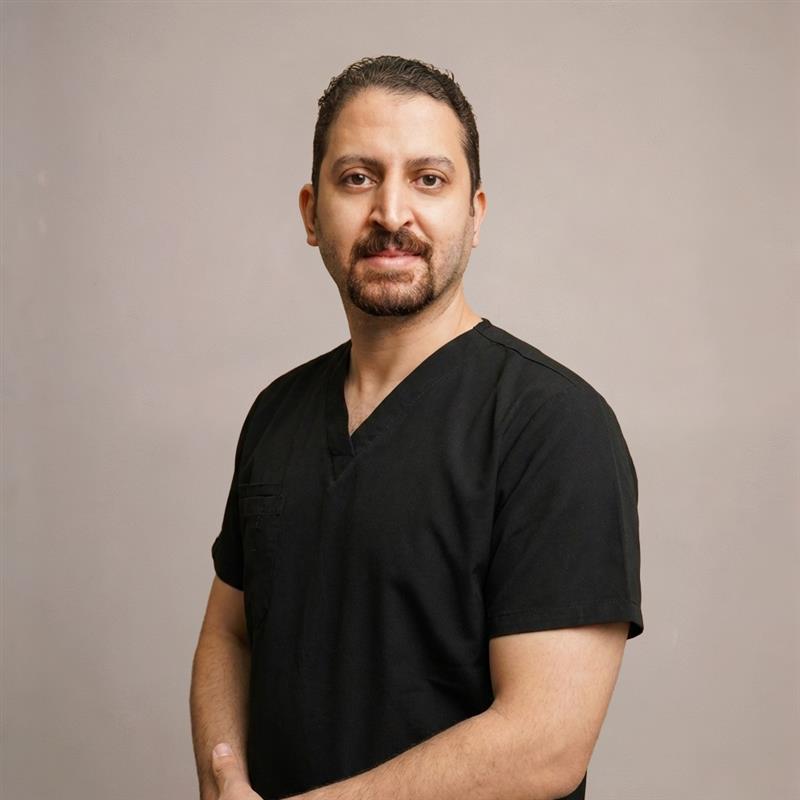
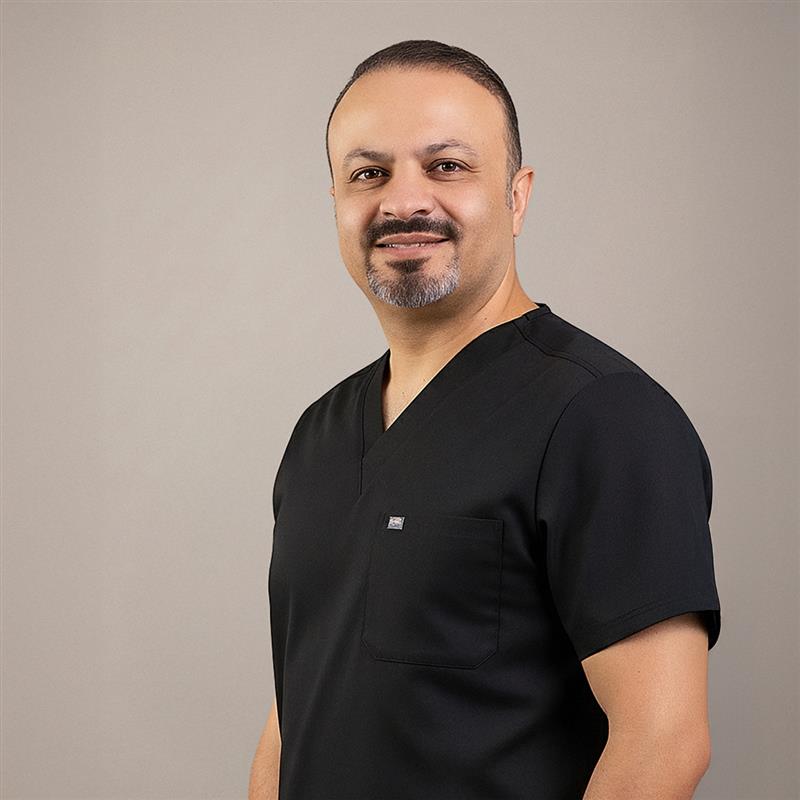
Know your experts
FAQs
Urological cancers are malignancies affecting the kidneys, bladder, prostate, ureters, testicles, or penis.
Risk factors include smoking, obesity, exposure to chemicals, genetic predisposition, and chronic urinary infections.
Blood in urine, frequent urination, pelvic pain, back pain, or unexplained weight loss may indicate urological cancer.
Diagnosis involves imaging tests, cystoscopy, urine analysis, and biopsy at a urological cancer treatment center in Dubai.
Treatment options include surgery, chemotherapy, immunotherapy, radiation, and targeted therapy.
Yes. Our specialists perform minimally invasive robotic surgeries for greater precision and faster recovery.
When detected early, most urological cancers have excellent cure rates with appropriate treatment.
Avoid smoking, stay hydrated, maintain a healthy diet, and undergo regular urological checkups.
Recovery varies by treatment type. Most patients benefit from rehabilitation, follow-up scans, and lifestyle support for optimal healing.