
Hearing Loss

Hearing loss treatment in Dubai and Abu Dhabi
Hearing loss is a health condition that can affect how you communicate, connect with others, and enjoy daily life. It happens when one or both ears cannot pick up sounds as well as they should, from mild trouble hearing soft noises to total hearing loss.
At CosmeSurge, our ENT specialists provide comprehensive diagnosis and advanced hearing loss treatment in Dubai and Abu Dhabi, focusing on restoring hearing ability and improving daily function. Whether hearing loss is due to aging, ear infections, noise exposure, or underlying conditions, our team ensures accurate assessment and personalized care for each patient.
From non-surgical management to advanced hearing loss surgery in Dubai, we tailor treatment plans to deliver the best possible hearing outcomes and long-term improvement in quality of life.
Hearing loss can affect people of all ages and may develop gradually over time or occur suddenly. The ear consists of three main parts: the outer ear, middle ear, and inner ear. When sound cannot travel effectively through any of these areas, hearing becomes impaired.
There are three primary types of hearing loss:
1. Conductive hearing loss occurs when sound cannot reach the inner ear due to blockages or damage in the outer or middle ear. Causes include earwax buildup, fluid in the ear, or problems with the eardrum or small ear bones.
2. Sensorineural hearing loss results from damage to the inner ear (cochlea) or auditory nerve. This type is usually permanent and may result from aging, prolonged exposure to loud noises, infections, or genetic factors.
3. Mixed hearing loss happens when a person has both conductive and sensorineural hearing loss simultaneously.
Our experienced ENT specialists use advanced diagnostic tools to determine the exact cause and type of hearing loss Dubai, ensuring that every treatment plan is tailored to the patient’s needs.
Hearing loss can develop from a variety of medical and environmental factors, including:
- Aging (presbycusis)
- Long-term exposure to loud sounds
- Earwax blockage or ear infections
- Genetic predisposition
- Ototoxic medications (drugs that damage hearing)
- Head trauma or ear injury
- Inner ear disorders such as Meniere’s disease
- Chronic illnesses like diabetes or hypertension
At CosmeSurge, our ENT specialists evaluate your full medical and lifestyle history to pinpoint the underlying cause before recommending the most suitable hearing loss treatment Dubai or Abu Dhabi.
Hearing loss may appear suddenly or develop slowly over time. Recognizing symptoms early helps prevent further damage.
Common signs include:
- Frequently asking others to repeat themselves
- Difficulty understanding speech in noisy environments
- Turning up the volume on television or devices
- Feeling like people are mumbling
- Ringing in the ears (tinnitus)
- Withdrawal from conversations or social activities
If you notice any of these symptoms, it’s important to schedule an evaluation with the best doctor for hearing loss in Dubai to identify the cause and start treatment early.
At CosmeSurge, every patient undergoes a detailed hearing assessment conducted by our ENT specialists. Diagnosis typically includes:
- Otoscopy: A visual examination of the ear canal and eardrum to detect blockages, infections, or abnormalities.
- Audiometry testing: Measures your ability to hear sounds at different frequencies and volumes, assessing overall hearing capability.
- Tympanometry: Evaluates middle ear function and eardrum movement.
- Imaging tests (CT or MRI): Used in specific cases to identify structural problems or nerve damage.
These diagnostic tools help our specialists determine the type and severity of hearing loss, allowing them to recommend the most appropriate treatment options.
Hearing loss treatment depends on the cause, severity, and type of hearing impairment. At CosmeSurge, we offer a range of medically approved and technologically advanced solutions, ensuring patients receive the best outcomes for their hearing and quality of life.
Non-Surgical Hearing Loss Treatments:
1. Earwax Removal or Medical Management
For cases caused by earwax buildup or infection, ear wax removal in Dubai or medical treatment may be all that is needed. ENT specialists use safe, professional techniques such as microsuction or irrigation to restore normal hearing.
2. Medication or Surgery for Conductive Hearing Loss
If hearing loss is due to infection, fluid, or damage in the middle ear, medications or minor surgical procedures may be required. For example, a tympanoplasty (repair of the eardrum) or ossiculoplasty (repair of middle ear bones) may restore sound transmission.
3. Hearing Aids and Assistive Devices
For most patients with sensorineural hearing loss, hearing aids offer excellent improvement in sound perception and clarity. Modern hearing aids are small, digital, and customized to individual hearing profiles.
Hearing Loss Surgery in Dubai
1. Surgery for Conductive Hearing Loss
If hearing loss results from damage to the middle ear structures, surgical intervention may be necessary. Procedures like tympanoplasty (eardrum repair) and ossiculoplasty (reconstruction of the middle ear bones) can restore sound transmission and enhance hearing.
2. Advanced Hearing Loss Surgery
For patients with chronic ear conditions or structural abnormalities, hearing loss surgery in Dubai may provide effective, long-term results. Surgical options include stapedectomy (replacement of the stapes bone) and bone-anchored hearing solutions, depending on the underlying condition.
3. Cochlear Implants
For patients with severe or profound hearing loss, cochlear implants bypass the damaged inner ear and directly stimulate the auditory nerve. They are ideal for individuals who gain limited benefit from conventional hearing aids.
Our specialists provide complete pre-surgical assessment, post-surgical care, and rehabilitation to ensure optimal hearing restoration. Patients benefit from improved auditory function, better social engagement, and support throughout their recovery process.
At CosmeSurge, hearing care goes beyond medical treatment alone. We offer comprehensive hearing rehabilitation and counseling designed to help patients adapt confidently to hearing devices and changes in hearing ability.
Our specialists offer personalized guidance, training, and ongoing support to enhance communication skills, develop effective listening strategies, and boost overall confidence in daily life. This comprehensive support enables patients to adapt quickly and engage actively in social and work environments.
By focusing on both the physical and emotional aspects of hearing loss, we help patients adapt comfortably, regain independence, and enhance their overall quality of life.
Untreated hearing loss can affect daily interactions, work performance, and emotional well-being. People may become socially withdrawn or experience increased stress and fatigue from straining to hear.
With modern technology and early medical intervention, most types of hearing loss can be effectively managed. Regular hearing check-ups, avoiding exposure to loud noises, and seeking treatment from the best doctor for hearing loss in Dubai can make a significant difference in preserving hearing health.
Although some causes of hearing loss cannot be avoided, several preventive steps can help protect your hearing:
- Minimize exposure to loud sounds and wear ear protection in noisy environments.
- Avoid inserting cotton swabs or sharp objects into your ear canal.
- Treat ear infections promptly.
- Schedule routine ear and hearing evaluations.
- Keep chronic health conditions, such as diabetes and hypertension, under control.
Partner with our ENT specialists for preventive care as part of your ongoing hearing loss treatment in Dubai, schedule a visit today to protect your hearing long-term.
The hearing loss treatment Dubai cost depends on the underlying cause, type of procedure, and whether surgical intervention or assistive devices are required.
- Medical management and ear cleaning are generally affordable.
- Hearing aids and implants vary depending on the technology and brand.
- Surgical treatments for hearing loss are priced based on the complexity and hospital requirements.
During your consultation, our ENT specialists will provide a comprehensive cost estimate and explain all available treatment options, tailored to your individual needs and medical condition.
Why choose CosmeSurge for hearing loss treatment in Dubai and Abu Dhabi?
When seeking hearing loss treatment in Dubai and Abu Dhabi, evaluation by a qualified ENT specialist is important for accurate diagnosis. CosmeSurge provides hearing loss treatment in Dubai and Abu Dhabi following approved clinical guidelines.

Specialized expertise
Our specialists assess hearing loss treatment in Dubai and Abu Dhabi using clinical examination and audiology tests.Treatment depends on the cause, severity of hearing loss, and diagnostic findings.

Personalized care
Each hearing loss treatment in Dubai and Abu Dhabi is planned after consultation and hearing assessment. Management may include medical treatment, hearing aids, or surgical procedures when clinically indicated.

Accredited medical facilities
All services are provided in licensed and accredited medical facilities with comprehensive medical facilities and appropriate audiology support. Diagnostic tests and treatment are performed according to approved clinical protocols.

Commitment to safety
Patients undergo proper evaluation before starting hearing loss treatment in Dubai and Abu Dhabi. Follow-up visits are advised to monitor hearing function and response to treatment.
If you are experiencing hearing difficulty, you can schedule a consultation for hearing loss treatment in Dubai and Abu Dhabi at CosmeSurge.
All services are provided in licensed and accredited medical facilities with comprehensive diagnostic and treatment facilities according to approved clinical standards.
Before & After


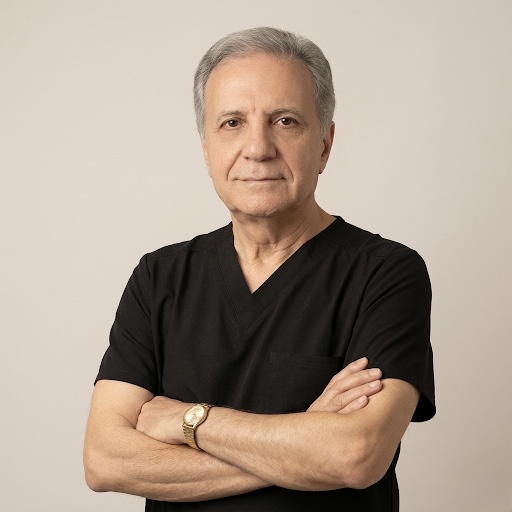
Know your specialists



FAQs
Difficulty understanding conversations, turning up the TV volume, and often asking people to repeat themselves are early indicators.
Some types, such as conductive hearing loss caused by infections or blockages, are reversible with treatment. Sensorineural hearing loss may require devices or surgery.
Yes, due to environmental noise exposure, ear infections, and age-related changes, hearing loss in Dubai is becoming increasingly common among adults and seniors.
ENT specialists use audiometry, tympanometry, and otoscopy to accurately assess the type and degree of hearing impairment.
Yes. Children can develop hearing loss from infections, genetic conditions, or wax buildup. Early diagnosis is crucial for speech and learning development.
Treatment depends on the cause and severity. Options include hearing aids, medications, surgery, or cochlear implants.
Yes, modern digital hearing aids and cochlear implants can greatly improve hearing in severe cases.
Costs vary depending on diagnostic tests, medications, or surgeries required. Your ENT specialist provides a personalized quote during consultation.
CosmeSurge ENT specialists are among the most experienced professionals, offering accurate diagnosis, advanced treatments, and compassionate care.