
Snoring and Sleep Apnea

Snoring and sleep apnea treatment in Dubai and Abu Dhabi
Getting restful sleep is vital for your health, mood, and energy levels. However, persistent snoring or disrupted breathing during sleep can affect both your quality of rest and your long-term well-being. At CosmeSurge, our ENT and sleep medicine specialists offer advanced snoring and sleep apnea treatment in Dubai and Abu Dhabi, combining medical expertise with modern diagnostic and therapeutic options to help you breathe better, sleep deeper, and feel revitalized every morning.
Snoring treatment in Abu Dhabi & Dubai may seem harmless at first, but in many cases, it can be a symptom of a more serious condition called sleep apnea — a disorder where breathing repeatedly stops and starts during sleep. Identifying and treating the root cause early can prevent complications such as fatigue, cardiovascular problems, and poor daytime concentration.
Snoring occurs when airflow through the mouth and nose becomes partially blocked during sleep. This blockage causes surrounding tissues to vibrate, creating the familiar snoring sound. Although occasional snoring is common, habitual loud snoring may indicate an underlying obstruction or medical issue that needs evaluation.
At CosmeSurge’s snoring clinic in Dubai and Abu Dhabi, our specialists conduct detailed assessments to determine whether your snoring is simple (benign) or associated with obstructive sleep apnea.
Common causes include:
- Relaxation of throat muscles during sleep
- Nasal obstruction from allergies, sinusitis, or a deviated septum
- Being overweight or having excess tissue around the throat
- Sleeping on your back
- Alcohol or sedative use before bedtime
- Structural abnormalities like enlarged tonsils or uvula
Chronic snoring often affects both the individual and their partner, leading to disrupted sleep and daytime fatigue, and may require sleep apnea treatment Abu Dhabi & Dubai.
While the primary sign is noisy breathing during sleep, other symptoms may include:
- Morning headaches
- Dry mouth or sore throat upon waking
- Restless sleep
- Daytime sleepiness
- Difficulty concentrating
If you or your partner notice pauses in breathing or choking sounds during sleep, it may be a sign of sleep apnea in Dubai or Abu Dhabi, which requires medical evaluation and sleep apnea treatment Abu Dhabi & Dubai.
Sleep apnea is a potentially serious sleep disorder in which breathing repeatedly stops and starts during sleep. The most common type is obstructive sleep apnea (OSA), which occurs when throat muscles intermittently relax and block the airway. Less common types include central sleep apnea and complex sleep apnea syndrome.
At CosmeSurge, our specialists diagnose and manage sleep apnea in Dubai and Abu Dhabi using advanced sleep studies, airway examinations, and personalized treatment plans designed to restore healthy breathing patterns and restful sleep.
Several factors can contribute to the development of sleep apnea:
- Obesity or excess neck circumference
- Anatomical variations such as a small jaw or thick neck tissues
- Nasal obstruction due to polyps, allergies, or septal deviation
- Enlarged tonsils or adenoids (common in children)
- Alcohol and sedative use
- Family history of sleep apnea
Understanding the underlying cause is essential to developing an effective treatment plan.
Recognizing the signs early can help prevent long-term complications. Common sleep apnea symptoms in Dubai include:
- Loud and chronic snoring
- Episodes of stopped breathing during sleep (observed by another person)
- Gasping or choking during sleep
- Excessive daytime sleepiness or fatigue
- Morning headaches
- Irritability or mood changes
- Poor focus and memory problems
- Dry mouth or sore throat upon waking
If these symptoms sound familiar, scheduling a sleep apnea test in Dubai at CosmeSurge can confirm the diagnosis and guide treatment.
At CosmeSurge, we begin with a detailed consultation to understand your medical history, sleep patterns, and symptoms. Our specialists then recommend a sleep apnea test in Dubai or Abu Dhabi to measure breathing patterns, oxygen levels, and other physiological parameters during sleep.
Sleep Study (Polysomnography)
A sleep study records:
- Breathing rate and pauses
- Heart rate and oxygen saturation
Brain waves and body movements
This can be conducted either in a specialized sleep apnea clinic in Dubai or using a home-based portable device for convenience.
ENT evaluation includes nasal endoscopy or imaging to identify physical obstructions such as polyps, enlarged tonsils, or a deviated septum.
Based on the findings, your sleep apnea specialist in Dubai or Abu Dhabi will design a personalized treatment plan targeting the root cause of your condition.
Treatment options depend on the severity of symptoms, the underlying cause, and the patient’s overall health. At CosmeSurge, we offer comprehensive solutions, ranging from lifestyle adjustments to advanced medical and surgical therapies.
1. Lifestyle Modifications
For mild cases, small lifestyle changes can significantly improve sleep quality:
- Maintain a healthy weight through diet and exercise
- Avoid alcohol or sedatives before bedtime
- Sleep on your side instead of your back
- Keep nasal passages clear with saline rinses or sprays
Our specialists may also recommend positional therapy or breathing exercises to support airway stability during sleep.
2. Medical Devices and Continuous Positive Airway Pressure (CPAP)
For moderate to severe sleep apnea, CPAP therapy remains the gold standard. It uses a gentle flow of air delivered through a mask to keep airways open during sleep. Patients using CPAP often report immediate improvements in sleep quality, energy, and alertness.
In some cases, oral appliances or anti-snoring devices can be prescribed. The anti-snoring device price in Dubai varies depending on the design and customization required. These devices reposition the lower jaw and tongue to prevent airway obstruction.
3. Surgical Treatments
If anatomical blockages are the main cause, surgical options may be considered. Our experienced ENT surgeons in Dubai and Abu Dhabi specialize in minimally invasive procedures such as:
- Uvulopalatopharyngoplasty (UPPP) to remove excess tissue in the throat
- Nasal septoplasty or turbinate reduction for nasal blockage
- Tonsillectomy or adenoidectomy when enlarged tissues obstruct airflow
- Tongue base reduction or palate stiffening procedures for airway widening
These surgeries aim to improve airflow, reduce snoring, and eliminate apneic episodes.
4. Obstructive Sleep Apnea Treatment in Dubai and Abu Dhabi
Obstructive sleep apnea treatment in Dubai at CosmeSurge focuses on individualized therapy that may include a combination of CPAP, oral devices, lifestyle modifications, and surgery, depending on the patient’s anatomy and sleep study results.
Patients benefit from continuous follow-up care, ensuring long-term success and sustained relief from symptoms.
The sleep apnea treatment cost in Dubai depends on several factors including the severity of the condition, the need for diagnostic testing, and the type of therapy recommended.
Typically, the cost includes the sleep apnea test cost in Dubai, consultation, and ongoing management. During your initial consultation, our specialists will provide a transparent estimate and discuss available treatment options suited to your lifestyle and medical needs.
At CosmeSurge, we are committed to offering safe, effective, and affordable care, including sleep apnea treatment Abu Dhabi & Dubai, tailored to each patient.
At CosmeSurge’s snoring clinic in Dubai and Abu Dhabi, our experts help patients overcome chronic snoring through advanced diagnostic methods and customized treatment plans.
Depending on your condition, your snoring doctor in Dubai may recommend:
- Nasal decongestants or steroid sprays for nasal obstruction
- Oral appliances to reposition the jaw and tongue
- Radiofrequency therapy or laser-assisted procedures to tighten throat tissues
- Surgical correction for structural nasal issues like a deviated septum
Our aim is to provide long-term relief through sleep apnea treatment Abu Dhabi & Dubai while improving sleep quality for both the patient and their partner.
Preventive care plays an important role in reducing snoring and sleep apnea episodes. Our specialists recommend:
- Maintaining a stable weight and healthy lifestyle
- Avoiding smoking, which irritates the airways
- Using humidifiers to keep the air moist
- Managing allergies and sinus issues that contribute to nasal blockage
In Dubai and Abu Dhabi, where environmental factors like dry air or dust can worsen nasal congestion, maintaining nasal hygiene and hydration is particularly helpful.
Before & After


Why choose CosmeSurge for snoring and sleep apnea treatment in Dubai and Abu Dhabi
When seeking snoring and sleep apnea treatment in Dubai and Abu Dhabi, evaluation by a qualified specialist is important for accurate diagnosis. CosmeSurge provides snoring and sleep apnea treatment in Dubai and Abu Dhabi following approved clinical guidelines.

Specialized expertise
Our specialists assess snoring and sleep apnea treatment in Dubai and Abu Dhabi through clinical examination and sleep-related evaluation. Treatment is planned based on airway assessment, severity, and diagnostic findings.

Personalized care
Each treatment plan is developed after consultation and clinical assessment based on the patient’s condition for sleep apnea treatment Abu Dhabi & Dubai. Management is planned according to symptoms, medical history, and diagnostic findings.

Accredited medical facilities
All services are provided in licensed and accredited medical facilities with comprehensive medical facilities and appropriate diagnostic support. Evaluation and treatment are carried out according to approved clinical protocols and safety guidelines.

Commitment to safety
Patients undergo proper medical evaluation before starting snoring and sleep apnea treatment in Dubai and Abu Dhabi. Follow-up visits are advised to monitor response to treatment and overall condition.
If you have symptoms such as snoring or disturbed sleep, you can schedule a consultation for snoring and sleep apnea treatment in Dubai and Abu Dhabi at CosmeSurge. All services are provided in licensed and accredited medical facilities with comprehensive diagnostic and treatment facilities for snoring treatment in Abu Dhabi & Dubai according to approved clinical standards.
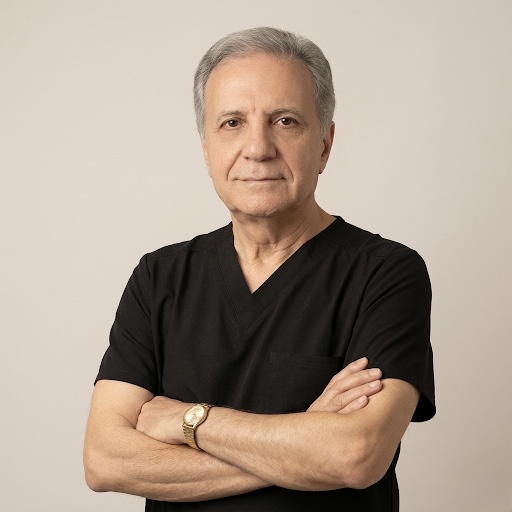
Know your specialists



FAQs
Snoring occurs when airflow is partially blocked due to relaxed throat muscles or nasal obstruction, causing tissues to vibrate.
If you experience choking, gasping, or pauses in breathing, it could indicate sleep apnea in Dubai and should be evaluated by a specialist for snoring treatment in Abu Dhabi & Dubai.
Yes, untreated sleep apnea can lead to high blood pressure, heart disease, diabetes, and fatigue-related accidents, and may require snoring treatment in Abu Dhabi & Dubai.
A sleep apnea test in Dubai, known as polysomnography, for sleep apnea treatment Abu Dhabi & Dubai, monitors breathing patterns, oxygen levels, and heart rate during sleep.
Snoring is sound caused by vibration in the airway, while sleep apnea involves repeated pauses in breathing that disrupt oxygen levels and sleep cycles.
Yes, weight management, avoiding alcohol, and positional therapy can improve symptoms in mild cases for sleep apnea treatment Abu Dhabi & Dubai.
Yes, oral appliances, nasal sprays, and CPAP therapy are effective non-surgical solutions offered at CosmeSurge’s snoring clinic in Dubai.
Costs for sleep apnea treatment Abu Dhabi & Dubai vary based on test results and treatment methods. A detailed estimate is provided after consultation and diagnostic evaluation.
At CosmeSurge, our ENT and sleep medicine specialists are among the most experienced in managing obstructive sleep apnea in Dubai and Abu Dhabi, offering evidence-based care.
Yes. In children, enlarged tonsils or adenoids are common causes and can be treated effectively by our ENT specialists for sleep apnea treatment Abu Dhabi & Dubai.