
Deviated Nasal Septum

Deviated Nasal Septum and Treatment in Dubai and Abu Dhabi
Breathing comfortably through your nose is something most people take for granted—until it becomes difficult. If you often struggle with nasal congestion on one side, frequent sinus infections, or noisy breathing during sleep, you may have a deviated nasal septum.
At CosmeSurge, our ENT specialists provide comprehensive evaluation and deviated nasal septum treatment in Dubai and Abu Dhabi using advanced diagnostic tools and minimally invasive techniques. With the right care, you can restore natural airflow, reduce discomfort, and improve your overall breathing and sleep quality.
The nasal septum is the thin wall of bone and cartilage that divides the nasal cavity into two passages. Ideally, it lies in the center, creating equal-sized nasal airways. However, in many people, the septum is slightly off-center—a condition known as a deviated nasal septum.
A mild deviation may not cause any symptoms, but when the shift is more significant, it can block airflow, cause nasal obstruction, or contribute to sinus problems. This condition is common and can be present from birth, develop due to injury, or worsen over time.
At x, we use precise diagnostic tools to evaluate the severity of septal deviation and recommend the best possible management approach.
Several factors can lead to a deviated septum:
- Congenital deviation: Present at birth, often due to developmental variations.
- Nasal injury: Trauma from sports, accidents, or falls can displace the septum.
- Age-related changes: As cartilage weakens over time, the nasal structure can shift slightly, worsening a mild deviation.
- Previous nasal surgery: In some cases, earlier surgical procedures may alter septal alignment.
Regardless of the cause, a deviated septum can affect your comfort, sleep, and even sinus health if not properly treated.
The symptoms of a deviated nasal septum can vary based on how severe the deviation is and whether it affects one or both nasal passages. Common signs include:
- Difficulty breathing through one or both sides of the nose
- Frequent nasal congestion or blockage
- Nosebleeds due to dryness in one nostril
- Recurrent sinus infections or headaches
- Postnasal drip or nasal pressure
- Snoring or sleep disturbances
- Facial pain, especially around the nose and forehead
If you notice these deviated nasal septum symptoms in Dubai or Abu Dhabi, it’s important to have your nose examined by an ENT specialist. Proper diagnosis helps prevent complications such as chronic sinusitis or poor sleep quality.
Diagnosing a deviated septum typically involves a physical examination and, in some cases, nasal imaging. At CosmeSurge, our ENT specialists perform:
Nasal endoscopy: A thin, flexible camera is inserted into the nasal passage to view the septum and assess any obstruction or inflammation.
Imaging tests: CT scans may be used to evaluate the sinus structures and confirm the extent of deviation, especially in chronic or surgical cases.
Breathing assessment: Airflow tests help determine how much the deviation is affecting nasal function.
After diagnosis, our specialists create a tailored deviated nasal septum treatment plan in Dubai or Abu Dhabi based on the severity of your condition and symptoms.
Treatment depends on how severe the septal deviation is and how much it impacts your breathing and sinus health. At CosmeSurge, we provide both medical and surgical options to manage symptoms effectively.
1. Medical Management
For mild cases, conservative measures may help relieve symptoms:
- Nasal saline sprays to moisturize and clear the nasal passages.
- Decongestants or antihistamines to reduce nasal swelling.
- Nasal steroid sprays to minimize inflammation.
These medications can improve breathing temporarily, but do not correct the physical deviation.
2. Surgical Treatment (Septoplasty)
When symptoms persist despite medical therapy, deviated nasal septum surgery in Dubai or Abu Dhabi—known as septoplasty—may be recommended.
Septoplasty is a minimally invasive procedure that straightens and repositions the nasal septum to restore proper airflow. During surgery:
- The ENT surgeon carefully repositions or removes the deviated portions of cartilage and bone.
- The mucosal lining is preserved to protect the inner nasal tissue.
- The result is improved nasal breathing, better sleep, and fewer sinus issues.
Most patients notice a significant improvement in airflow and comfort within a few weeks after surgery.
At CosmeSurge, our surgeons perform septoplasty under local or general anesthesia, depending on your case. The procedure is typically completed within 60 to 90 minutes, and patients can usually return home the same day.
Recovery following septoplasty is usually smooth when post-operative care instructions are followed carefully.
During recovery:
- Mild swelling, congestion, or nasal stuffiness is expected for a few days.
- Avoid strenuous activity or blowing your nose for the first week.
- Sleep with your head elevated to reduce swelling.
- Use prescribed nasal sprays or saline rinses to keep the nose clean and moist.
Most patients can return to normal activities within a week, with full recovery achieved in two to four weeks.
Our team ensures you receive continuous follow-up care during your deviated nasal septum treatment in Dubai or Abu Dhabi, monitoring healing and ensuring the best possible results.
Choosing surgical correction offers several advantages for patients with significant septal deviation:
- Improved nasal breathing and airflow
- Fewer sinus infections and nasal blockages
- Reduced snoring and better sleep quality
- Enhanced sense of smell in some cases
- Relief from chronic congestion and facial pressure
At CosmeSurge, our ENT specialists combine surgical precision with patient comfort, ensuring every procedure delivers both functional and aesthetic balance.
While a deviated septum cannot always be prevented, avoiding nasal injuries and seeking early treatment for chronic congestion or sinus infections can help maintain healthy nasal function.
Patients are advised to:
- Wear protective gear during sports.
- Manage allergies to reduce nasal inflammation.
- Avoid smoking or exposure to irritants.
- Use humidifiers in dry environments like Dubai and Abu Dhabi.
These preventive steps can help preserve long-term sinus and nasal health.
The cost of deviated nasal septum treatment in Dubai varies depending on the severity of the deviation, the diagnostic tests required, and whether surgical correction is necessary.
At CosmeSurge, we provide transparent pricing and individualized treatment plans. Our ENT specialists explain all options in detail, ensuring you understand the process and expected outcomes before proceeding.
Before & After


Why choose CosmeSurge for deviated nasal septum treatment in Dubai and Abu Dhabi
When seeking deviated nasal septum treatment in Dubai and Abu Dhabi, evaluation by a qualified ENT specialist is important for accurate diagnosis. CosmeSurge provides deviated nasal septum treatment in Dubai and Abu Dhabi following approved clinical guidelines.

Specialized expertise
Our specialists assess deviated nasal septum treatment in Dubai and Abu Dhabi through clinical examination and nasal evaluation. Treatment may include medical management or septoplasty based on symptoms and diagnostic findings.

Personalized care
Each deviated nasal septum treatment in Dubai and Abu Dhabi is planned after consultation and medical assessment. The treatment plan is based on nasal structure, severity of deviation, and patient condition.

Accredited medical facilities
All services are provided in licensed and accredited medical facilities with comprehensive medical facilities and appropriate surgical support. Evaluation and treatment are carried out according to approved clinical protocols and safety guidelines.

Commitment to safety
Patients undergo proper medical evaluation before starting deviated nasal septum treatment in Dubai and Abu Dhabi. Follow-up visits are advised to monitor recovery and response to treatment.
If you have symptoms such as nasal blockage or difficulty breathing, you can schedule a consultation for deviated nasal septum treatment in Dubai and Abu Dhabi at CosmeSurge. All services are provided in licensed and accredited medical facilities with comprehensive diagnostic and treatment facilities according to approved clinical standards.
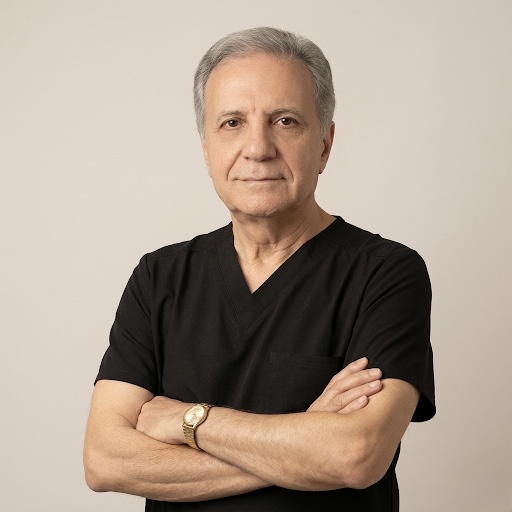
Know your specialists



FAQs
It can occur naturally during development or as a result of injury to the nose.
Common symptoms include nasal blockage, sinus pressure, nosebleeds, and difficulty breathing through one side of the nose.
Medication helps manage symptoms but cannot correct the physical deviation. Surgery is the definitive solution.
Septoplasty is a surgical procedure to straighten the septum, improving airflow and relieving congestion.
The procedure is performed under anesthesia, so you will not feel pain. Mild discomfort afterward is easily managed with medication.
Most patients recover within two to four weeks, with noticeable improvement in breathing soon after.
Yes. Septoplasty is often combined with rhinoplasty or sinus surgery for comprehensive results.
Yes. When performed by an experienced ENT surgeon, it is a safe and effective procedure with minimal risks.
Many insurance providers cover septoplasty when it’s medically necessary. Our team assists patients with the process.
At CosmeSurge, you’ll find advanced ENT care with personalized treatment for the best sinus and nasal health in Dubai and Abu Dhabi.