

Vaginal irritation and itching affects millions of women worldwide, yet many feel too embarrassed to seek help. Whether you are experiencing an itchy vaginal area, vaginal burning and itching, or general discomfort in your intimate region, understanding the causes and treatment options is the first step toward relief.
At CosmeSurge Hospital UAE, our experienced gynaecologists provide compassionate, confidential care for all intimate health concerns. This comprehensive guide covers everything you need to know about vaginal irritation – from identifying symptoms to finding lasting relief.
In this pillar guide, we will explore the fundamentals of vaginal irritation. For detailed information on specific concerns, please see our in-depth articles linked throughout this page.
Understanding Vaginal Irritation: What Is It?
Vaginal irritation refers to any discomfort, inflammation, itching, or burning sensation affecting the vaginal area. This includes the vaginal opening, vaginal canal, vulva (external genitalia), labia (vaginal lips), and clitoral hood.
The vagina maintains a delicate pH balance between 3.8 and 4.5, supported by beneficial bacteria called lactobacilli. When this balance is disrupted by infections, irritants, hormonal changes, or other factors, it can result in an irritated vaginal area with uncomfortable symptoms.
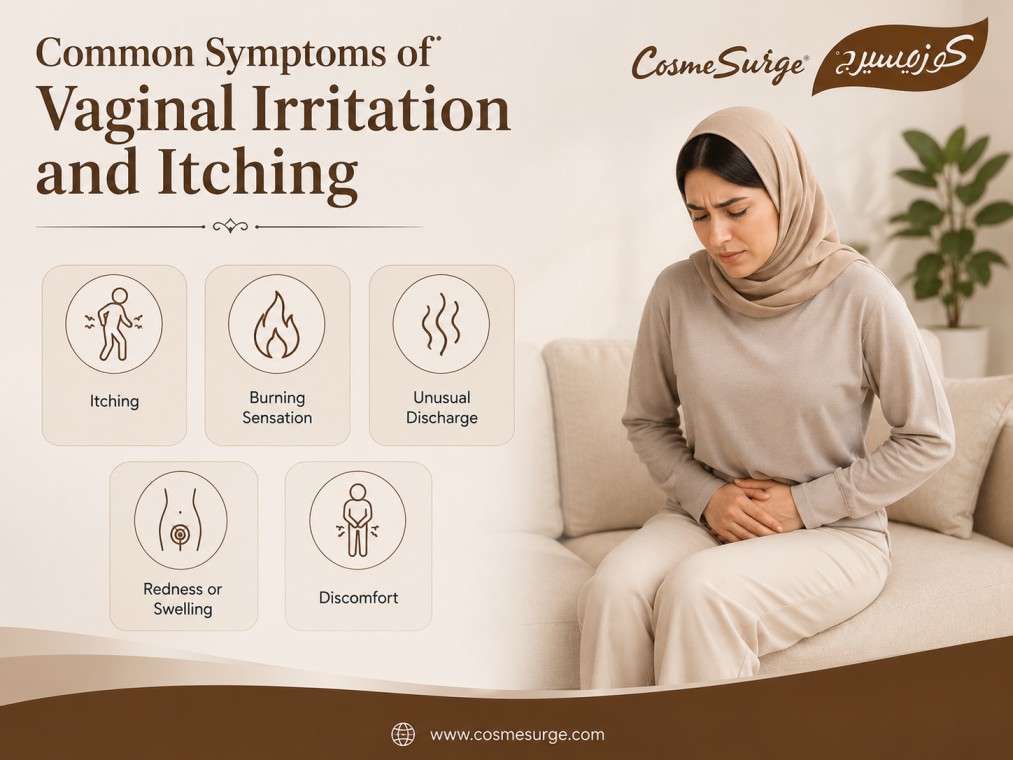
Common Symptoms of Vaginal Irritation
Itching – ranging from mild to intense, may affect external or internal areas
Burning sensation – especially during urination or intercourse
Redness and swelling of the vulva or vaginal opening
Unusual discharge – changes in colour, consistency, or odour
Soreness or tenderness in the vaginal area
Discomfort during sexual intercourse
Some women experience no discharge, just itchy symptoms, which can make diagnosis more challenging. [Read our detailed guide: No Discharge Just Itchy – What It Means]
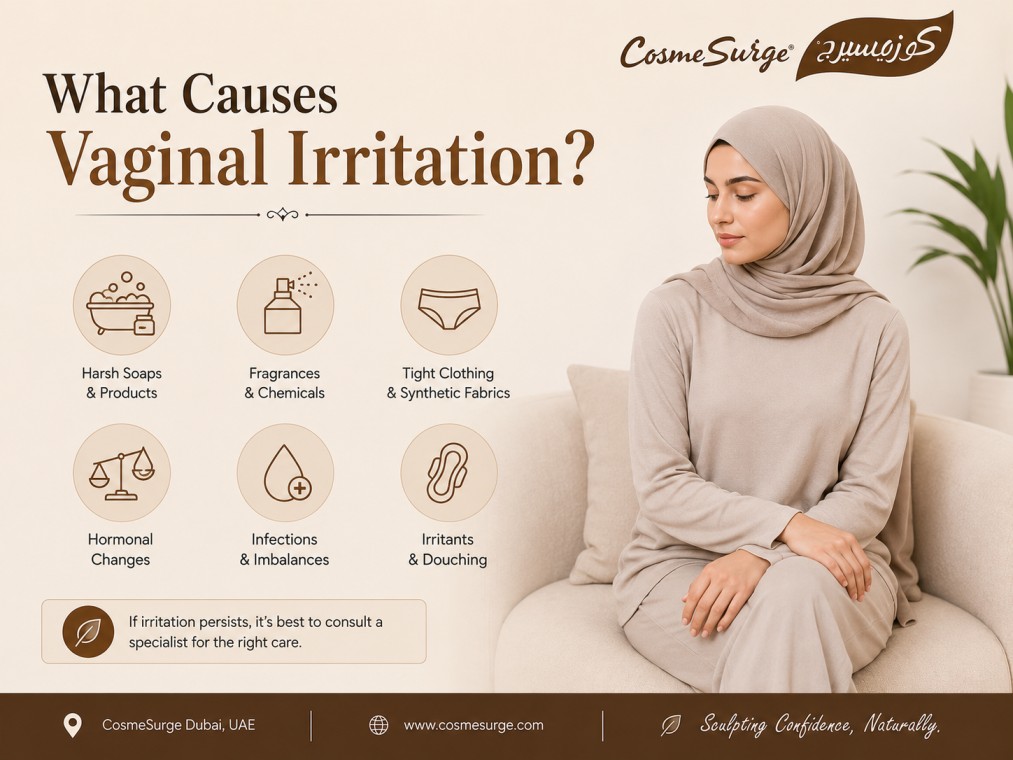
What Causes Vaginal Irritation? The 10 Most Common Reasons
Understanding what causes vaginal irritation helps you identify the right treatment approach. Here are the most common causes:
1. Yeast Infections (Candidiasis)
The most common cause of vaginal itching, yeast infections occur when Candida fungus overgrows. Symptoms include intense itching, thick white discharge, redness, and swelling. Many women notice symptoms worsen at night.
[See: Why Vaginal Itching Gets Worse at Night]
2. Bacterial Vaginosis (BV)
BV occurs when harmful bacteria outnumber beneficial bacteria in the vagina. It often causes a thin, greyish discharge with a fishy odour, though some women experience itching without noticeable discharge.
3. Contact Dermatitis and Allergic Reactions
Your vaginal area can react to soaps, detergents, perfumed products, latex condoms, lubricants, and feminine hygiene products. This is a common cause of external vaginal irritation without infection.
4. Hormonal Changes
Fluctuations in oestrogen during menstruation, pregnancy, breastfeeding, and menopause can cause vaginal dryness and irritation. Pregnant women are particularly susceptible to yeast infections.
[See: Vaginal Itching During Pregnancy – Safe Treatments]
5. Menstrual Cycle-Related Irritation
Many women experience itching before, during, or after their period due to pH changes, prolonged pad or tampon use, and moisture accumulation.
[See: How to Stop Itching Down There After Period]
6. Sexual Activity
Friction during intercourse, reactions to lubricants or condoms, and semen sensitivity can cause post-sex irritation. Some women have a true semen allergy causing itching and burning after unprotected sex.
7. Sexually Transmitted Infections (STIs)
Trichomoniasis, genital herpes, chlamydia, and genital warts can all cause vaginal itching and irritation. If you are sexually active with new partners, STI testing is important.
8. Skin Conditions
Eczema, psoriasis, lichen sclerosus, and lichen planus can affect the vulvar area, causing chronic itching, redness, and skin changes.
9. Vaginal Dryness
Insufficient lubrication due to hormonal changes, medications, or dehydration can cause irritation, itching, and discomfort, especially during intercourse.
10. Poor Hygiene Practices
Both inadequate hygiene and excessive washing can disrupt vaginal flora. Douching, using harsh soaps, and overwashing strip away protective bacteria and natural moisture.
Many women wonder why is my vagina itchy inside – internal itching often indicates infection.
[Read our complete guide: Why Is My Vagina Itchy Inside]
Medical Treatments for Vaginal Irritation
When home remedies are not enough, medical treatment may be necessary. The best treatment depends on the underlying cause:
Over-the-Counter Treatments
Antifungal creams and suppositories (miconazole, clotrimazole) for yeast infections
Hydrocortisone cream (1%) for external irritation and itching
Vaginal moisturisers for dryness-related irritation
Prescription Treatments
Oral antifungals (fluconazole) for persistent or recurrent yeast infections
Antibiotics (metronidazole, clindamycin) for bacterial vaginosis
Topical oestrogen for hormonal vaginal atrophy
Prescription-strength corticosteroids for chronic skin conditions
Many women ask which ointment is best for itching in private parts female.
[Read our complete guide: Best Ointments and Creams for Vaginal Itching]
How to Get Immediate Relief from Vaginal Irritation
When you are experiencing intense discomfort, you need relief fast. Here are proven methods to stop itching down there immediately:
Cold Compress: Apply a cloth-wrapped ice pack to the external area for 10-15 minutes to reduce inflammation and numb itching
Lukewarm Water Rinse: Gently rinse with plain lukewarm water to remove irritants
Loose Cotton Clothing: Switch to breathable, loose-fitting cotton underwear immediately
OTC Anti-Itch Cream: Hydrocortisone 1% applied externally can provide temporary relief
Avoid Scratching: Though difficult, scratching worsens inflammation and can introduce bacteria
For comprehensive home remedy options including coconut oil, baking soda baths, and more:
[Read: How to Stop Itching Down There Immediately – Complete Home Remedies Guide]
Preventing Vaginal Irritation: Long-Term Strategies
Prevention is always better than treatment. Follow these evidence-based strategies to maintain optimal vaginal health:
Daily Hygiene Best Practices
Wash the vulvar area with plain water or mild, unscented cleanser only
Always wipe front to back after using the toilet
Never douche – the vagina is self-cleaning
Change out of wet or sweaty clothing promptly
Change menstrual products every 4-6 hours
Smart Product Choices
Wear 100% cotton underwear
Choose unscented soaps, detergents, and menstrual products
Use water-based, fragrance-free lubricants
Avoid tight-fitting trousers and synthetic underwear
Lifestyle Factors
Maintain a balanced diet and stay hydrated
Limit sugar intake (excess sugar promotes yeast growth)
Consider probiotic supplements for vaginal health
Manage stress and get adequate sleep
Urinate after sexual intercourse
When to See a Gynaecologist
While mild irritation often resolves with home care, certain symptoms require professional evaluation. Visit CosmeSurge Hospital UAE if you experience:
Symptoms lasting more than one week despite home treatment
Unusual discharge (green, yellow, grey, or foul-smelling)
Fever, pelvic pain, or severe swelling
Sores, blisters, or ulcers on the vulva
Burning during urination or bleeding unrelated to menstruation
Recurrent infections (more than 4 per year)
Any vaginal symptoms during pregnancy
Symptoms following a new sexual partner
Conclusion: Take Control of Your Intimate Health
Vaginal irritation and itching is a common but manageable condition. By understanding the causes, knowing when to try home remedies versus seeking medical care, and following preventive strategies, you can maintain optimal vaginal health and comfort.
At CosmeSurge Hospital UAE, our gynaecology team provides expert, confidential care for all intimate health concerns. Do not let embarrassment prevent you from getting the relief you deserve.
Need Expert Help with Vaginal Irritation?
Book a confidential consultation with our gynaecology team at CosmeSurge Hospital UAE.

Frequently Asked Questions About Vaginal Irritation and Itching
Here are some answers to the specific questions we often hear but didn’t cover in detail above.
Irritation without discharge is common with contact dermatitis, hormonal changes, vaginal dryness, or early-stage infections. [Read more: No Discharge Just Itchy – Complete Guide]
Duration depends on the cause. Contact irritation may resolve in 24-48 hours. Yeast infections typically clear within 3-7 days with treatment. Persistent symptoms beyond one week require medical evaluation.
Most vaginal itching is caused by treatable conditions like yeast infections or irritation. However, persistent itching can sometimes indicate STIs or skin conditions requiring treatment. When in doubt, consult a gynaecologist.
While you cannot prevent all causes, following good hygiene practices, wearing breathable clothing, avoiding irritating products, and maintaining overall health significantly reduces your risk.
Medical Disclaimer & Review
This content is for educational purposes only and does not replace professional medical advice. Always consult a qualified healthcare provider for diagnosis and treatment.
Medically reviewed by the CosmeSurge Gynaecology Team, Dubai, UAE.


