
Hernia
Hernia treatment in Dubai
A hernia is a medical condition in which an internal organ or tissue protrudes through a weakened area of muscle or connective tissue. It may cause discomfort, pain, or a visible bulge and, in some cases, can lead to complications if left untreated. While some hernias can be monitored, many require surgical repair to prevent progression or incarceration.
A hernia develops when pressure causes tissue to push through a weak spot in the abdominal wall or surrounding muscle. Most hernias occur in the abdomen, though they can also appear in the groin, diaphragm, or previous surgical sites.
Hernias may be painless initially but often become symptomatic over time. Without treatment, some hernias can become incarcerated or strangulated, cutting off blood supply and requiring emergency intervention.
Inguinal Hernia
Occurs in the groin area when abdominal tissue protrudes through the inguinal canal. It is more common in men and may cause a visible bulge and discomfort during activity.
Femoral Hernia
Appears just below the groin crease and is more common in women. Although smaller, it carries a higher risk of incarceration.
Umbilical Hernia
Develops near the navel when tissue pushes through the abdominal wall. It may affect infants and adults, particularly after pregnancy or weight gain.
Incisional Hernia
Forms through a previous surgical incision when the abdominal wall has not healed completely.
Hiatal Hernia
Occurs when part of the stomach moves upward through the diaphragm into the chest cavity. It may be associated with reflux symptoms and may require surgical correction in severe cases.
Spigelian Hernia
A rare hernia that develops along the outer edge of the abdominal muscles and may not present with a visible bulge.
Epigastric Hernia
Appears between the chest and navel and often contains fatty tissue. It may cause localized pain or tenderness.
Sports Hernia
Not a true hernia but a soft tissue injury in the groin or lower abdomen, commonly seen in athletes. Treatment may include surgery or structured rehabilitation.
Symptoms vary depending on type and location but may include:
A visible bulge that increases with coughing or straining
Pain or discomfort during movement or lifting
Pressure or heaviness in the abdomen or groin
Burning or aching sensation
Nausea or reflux symptoms (in hiatal hernia)
Sudden severe pain in complicated cases
Persistent or worsening symptoms should be medically evaluated.
Hernias often result from a combination of muscle weakness and strain, including:
Heavy lifting or strenuous activity
Chronic cough or constipation
Obesity or sudden weight gain
Pregnancy
Previous abdominal surgery
Aging-related muscle weakening
Congenital muscle defects
Diagnosis begins with a clinical examination by a surgeon. Imaging studies may be required, including:
Ultrasound for soft tissue evaluation
CT scan or MRI for complex or internal hernias
Endoscopy for hiatal or gastric hernias
Results help determine whether observation or surgical repair is appropriate.
Non-Surgical Management
In selected cases, small or asymptomatic hernias may be monitored with lifestyle adjustments such as weight management and activity modification. Supportive garments may be recommended temporarily. These measures do not repair the hernia and are not curative.
free hernias may be observed with lifestyle changes such as:
- Weight management
- Avoiding heavy lifting
- Wearing supportive garments (for umbilical or incisional hernias)
However, these measures do not cure the hernia and are only temporary.
Surgical Hernia Repair
Surgery is the definitive treatment for most hernias. The goal is to return the protruded tissue to its normal position and reinforce the weakened area using sutures or mesh.
Open Hernia Repair
A single incision is made over the hernia site. The defect is repaired and reinforced with sutures or mesh.
Laparoscopic Hernia Repair
This minimally invasive approach uses small incisions and a camera-guided technique. It is associated with less postoperative discomfort, reduced scarring, and faster recovery.
Procedures are selected based on hernia type, size, patient health, and previous surgeries.
Recovery depends on the type of surgery and technique used:
Most patients return home the same day or after an overnight stay
Light activity may resume within a few days
Strenuous exercise should be avoided for 4–6 weeks
A balanced diet is recommended to prevent constipation
Follow-up visits are scheduled to monitor healing
Detailed post-operative instructions are provided to support recovery and reduce recurrence risk.
Minimally invasive techniques where appropriate
Reduced postoperative pain and scarring
Shorter hospital stay
Lower recurrence rates with mesh repair
Faster return to daily activities
Treatment of complex or recurrent hernias
All procedures are performed in accredited medical facilities following international safety standards.
For patients with reflux caused by hiatal hernia, laparoscopic Nissen fundoplication may be performed. This procedure reinforces the valve between the esophagus and stomach, reducing reflux symptoms and restoring normal anatomy.
The cost of hernia surgery varies depending on:
Type and size of the hernia
Surgical technique used (open or laparoscopic)
Surgeon expertise
Hospital and anesthesia fees
Preoperative tests and follow-up care
A detailed cost estimate is provided after clinical evaluation.
Why choose CosmeSurge for hernia surgery in Dubai and Abu Dhabi?
Specialized expertise
Procedures are planned based on medical evaluation and individual patient suitability.
Personalized care
Each patient receives an individualized treatment plan based on diagnosis, health status, and lifestyle needs.
Comprehensive facility
Procedures are performed in approved medical facilities following clinical protocols.
Commitment to safety
Care is provided with structured assessments, approved medical standards, and appropriate follow-up.
If you have symptoms of a hernia or have been diagnosed with one, a medical evaluation can help determine the most appropriate treatment option.
During your consultation, your surgeon will explain diagnosis, treatment choices, recovery expectations, and costs in detail.
CosmeSurge provides structured, medically guided hernia care focused on patient safety, accurate diagnosis, and long-term outcomes.
Before & After



Know your experts
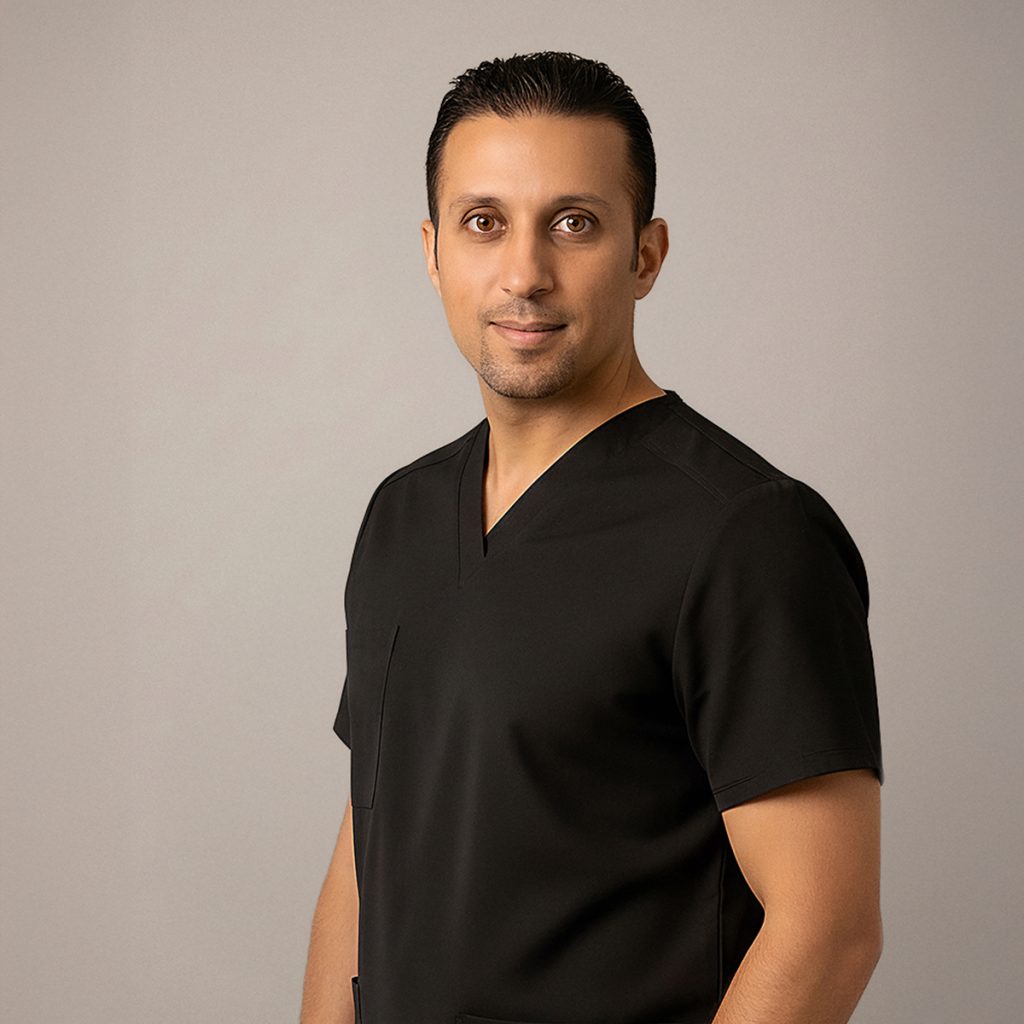
Dr. Samir Rahmani
- Physician Consultant General Surgery