DHI Hair Transplant

DHI hair transplant

Hair loss can affect confidence, appearance, and self-esteem. With modern advances in aesthetic medicine, hair restoration is now more precise, natural, and minimally invasive than ever. Among the leading innovations is the DHI hair transplant, a technique that combines surgical artistry with cutting-edge technology for seamless, permanent results.

At CosmeSurge, our expert hair restoration surgeons perform Direct Hair Implantation (DHI) using refined instruments and proven methods to restore hairlines, density, and natural volume with precision. Whether you’re comparing FUE vs DHI or exploring what is a DHI hair transplant, this comprehensive guide will help you understand the process, benefits, and results.

What is DHI hair transplant?

DHI, short for Direct Hair Implantation, is an advanced version of the FUE (Follicular Unit Extraction) technique. Unlike traditional methods, DHI hair transplantation involves directly implanting extracted hair follicles into the recipient area using a specialized DHI implanter pen. This pen allows for simultaneous creation of the implantation site and placement of the graft, ensuring maximum precision and minimal trauma.

In simple terms, what is DHI hair transplant can be described as a no-incision, no-stitch technique designed for natural-looking and dense hair restoration. Because there’s no need to open channels manually before implantation, this method ensures faster healing, greater control over hair angle and depth, and reduced risk of follicle damage.

How DHI differs from FUE?

Many patients often compare DHI vs FUE hair transplant when choosing the best technique. While both are based on Follicular Unit Extraction, they differ mainly in how the follicles are implanted.

In FUE, hair follicles are first extracted from the donor area, and then small incisions or channels are made in the recipient area before placing the grafts manually.

In DHI, extraction and implantation happen almost simultaneously using the DHI implanter pen. This eliminates the need for prior incisions, resulting in shorter handling time and better graft survival.

Here’s a quick comparison between FUE vs DHI:

Aspect

FUE

DHI

Implantation

After creating incisions

Directly using DHI pen

Speed

Slightly faster for large areas

More precise, ideal for density

Healing

Quick

Even faster

Hairline control

Excellent

Exceptional

Shaving

Often required

May not require full shaving

Both techniques are effective, but DHI hair transplant offers more refined control, especially for patients who want high-density, natural results or a minimally invasive experience.
Advantages of DHI hair transplant
  1. No Scarring or Stitches
    The DHI method uses micro punches (less than 1mm) and does not require sutures, leaving no visible scars.
  2. Natural Hairline Design
    With precise control over the angle, direction, and depth of each implanted follicle, surgeons can recreate a natural-looking hairline that blends seamlessly with your existing hair.
  3. Higher Graft Survival Rate
    Since hair follicles are implanted immediately after extraction, they spend less time outside the scalp, increasing their survival rate.
  4. Faster Recovery
    Patients can return to daily activities within a few days. The minimally invasive nature of DHI hair transplantation results in less swelling, redness, and discomfort.
  5. Ideal for Both Men and Women
    Because the DHI method hair transplant can be performed without full shaving, it’s a popular choice for women and professionals who want discretion during recovery.
  6. Permanent and Natural Results
    The transplanted follicles retain their natural growth properties, producing lifelong, healthy hair that grows naturally over time.
Step-by-Step process of DHI hair transplant

At CosmeSurge, every DHI hair transplant procedure is performed with meticulous attention to detail by experienced surgeons and specialized nursing teams.

  1. Consultation and Evaluation
    Your journey begins with an in-depth consultation, including scalp examination, hair density analysis, and discussion of aesthetic goals.
  2. Design and Planning
    The hairline is carefully mapped out, considering facial proportions, natural density, and future growth patterns.
  3. Anesthesia and Preparation
    Local anesthesia ensures a comfortable, pain-free experience throughout the procedure.
  4. Follicular Unit Extraction
    Hair follicles are extracted individually using micro punches. The follicular unit extraction process minimizes trauma to the donor area while preserving follicle health.
  5. Implantation with DHI Pen
    Using the DHI implanter pen, each graft is implanted directly into the recipient area without creating prior incisions. This step offers unparalleled precision in placement, angle, and direction.
  6. Post-Procedure Care
    The scalp is gently cleansed, and detailed aftercare instructions are provided. Patients receive medications and follow-up guidance to promote healing and optimal hair growth.
Recovery and results

After a DHI hair transplant, most patients resume regular activities within two to three days. Initial redness or swelling subsides quickly.

Transplanted hair usually sheds within three weeks (a normal part of the cycle), followed by new growth around the third month. Full, natural results typically appear between 9-12 months, depending on individual factors.

DHI hair transplant results are permanent and continue to improve in density and texture over time.

DHI hair transplant cost

The DHI hair transplant cost varies based on factors such as:

  • Number of grafts required
  • Size of the treatment area
  • Type of technology used (Sapphire DHI, No-Shave DHI, etc.)
  • Surgeon’s expertise and clinical facilities

At CosmeSurge, transparent pricing is provided during consultation after a detailed scalp 

Is DHI hair transplant permanent?

Yes, DHI hair transplant is permanent. The transplanted follicles are taken from areas genetically resistant to hair loss (typically the back or sides of the scalp). Once implanted, they grow naturally for life, blending seamlessly with your existing hair.

Proper care, a balanced diet, and scalp health maintenance ensure long-lasting and healthy growth.

DHI vs FUE: which is better?

When deciding between DHI vs FUE hair transplant, both techniques offer excellent outcomes, but DHI provides greater precision and higher density control, making it ideal for frontal zones, smaller areas, or touch-ups.

FUE, on the other hand, is often more efficient for covering larger bald areas.

At CosmeSurge, our specialists guide you through FUE vs DHI based on your goals, donor area strength, and overall hair condition. In some cases, a combination of both methods may be recommended for optimal results.

Possible side effects

While DHI hair transplantation is safe and minimally invasive, some temporary effects may occur:

  • Mild swelling or redness
  • Temporary itching or sensitivity
  • Shedding of transplanted hairs (normal phase)

Our team provides post-procedure medications, gentle scalp care routines, and follow-up visits to ensure proper healing and best outcomes.

Why choose CosmeSurge for DHI hair transplant?

When it comes to DHI hair transplant, precision, artistry, and expert care make all the difference. CosmeSurge is recognized for its excellence in advanced hair restoration, combining innovative technology with personalized patient care.

Rediscover your confidence with a DHI hair transplant performed by the experts at CosmeSurge. Whether you’re comparing FUE vs DHI or exploring what is DHI hair transplant, our team will guide you with clarity and care at every step. Book an appointment today.

CosmeSurge – where confidence regrows naturally.

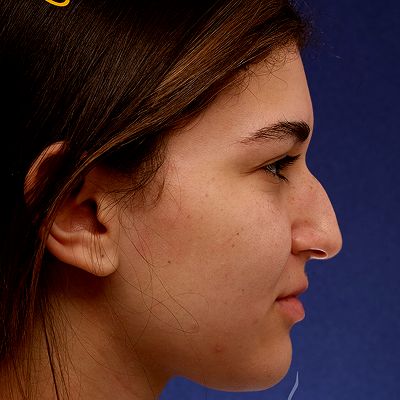
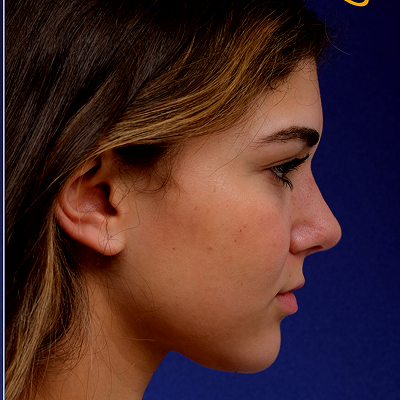
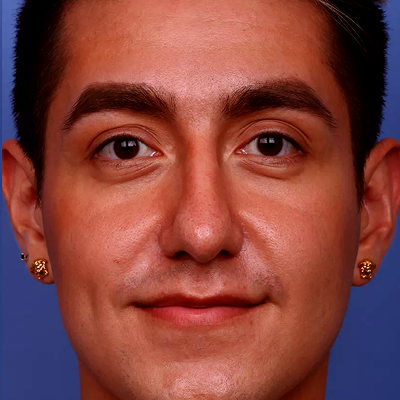
Before & After

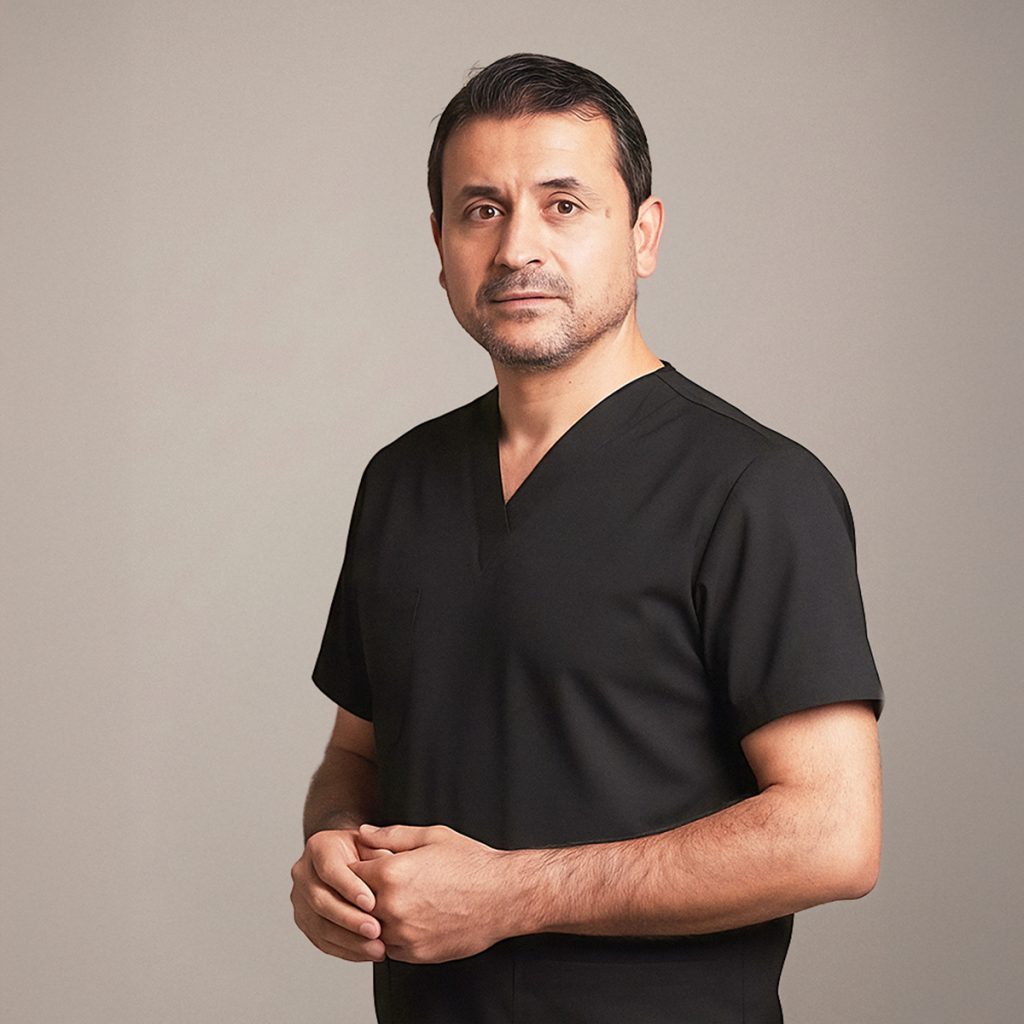
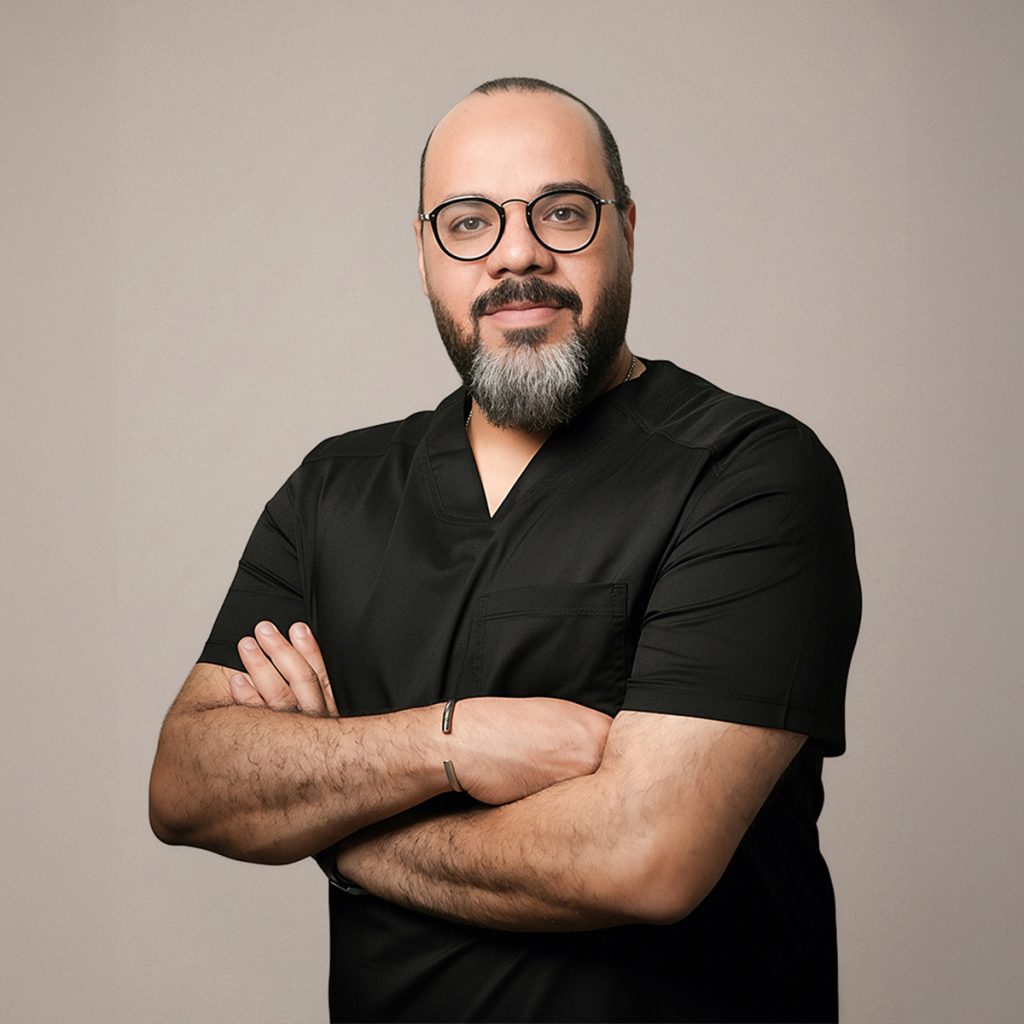
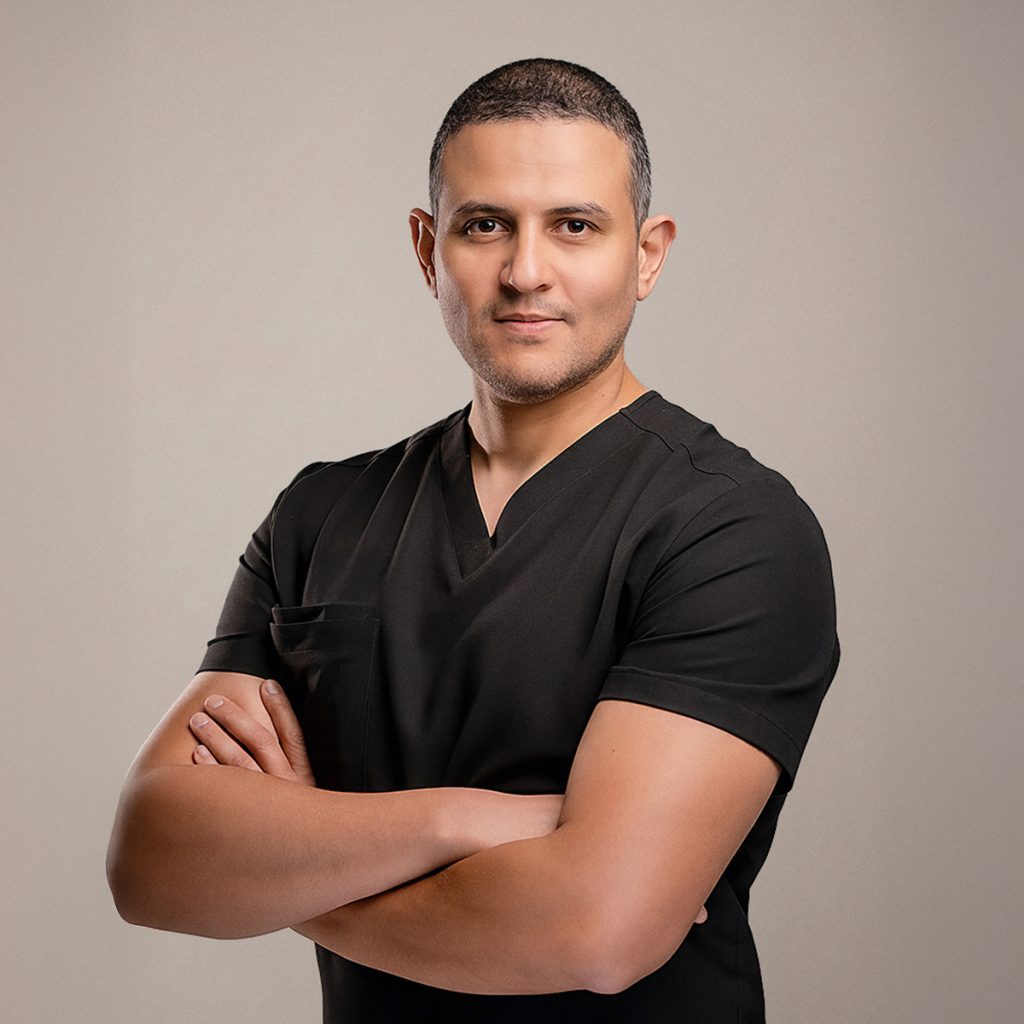
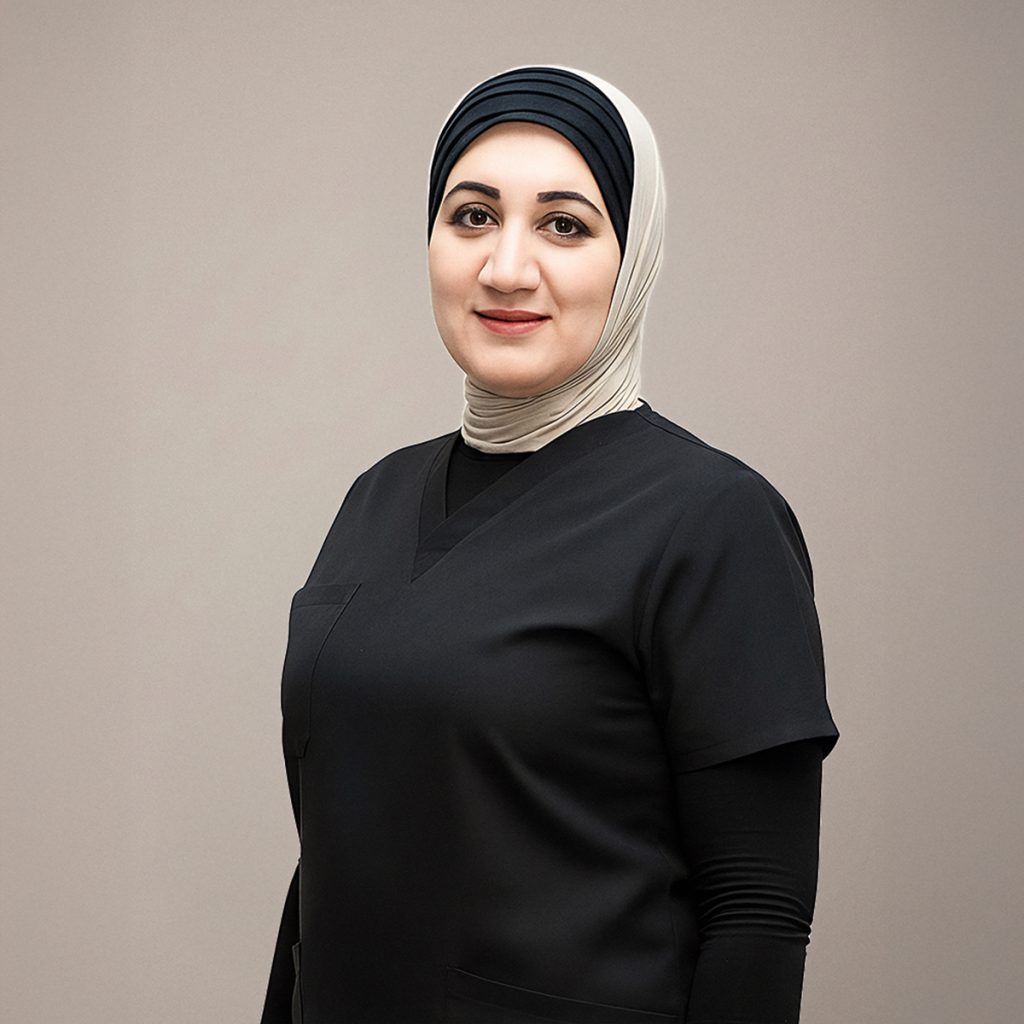
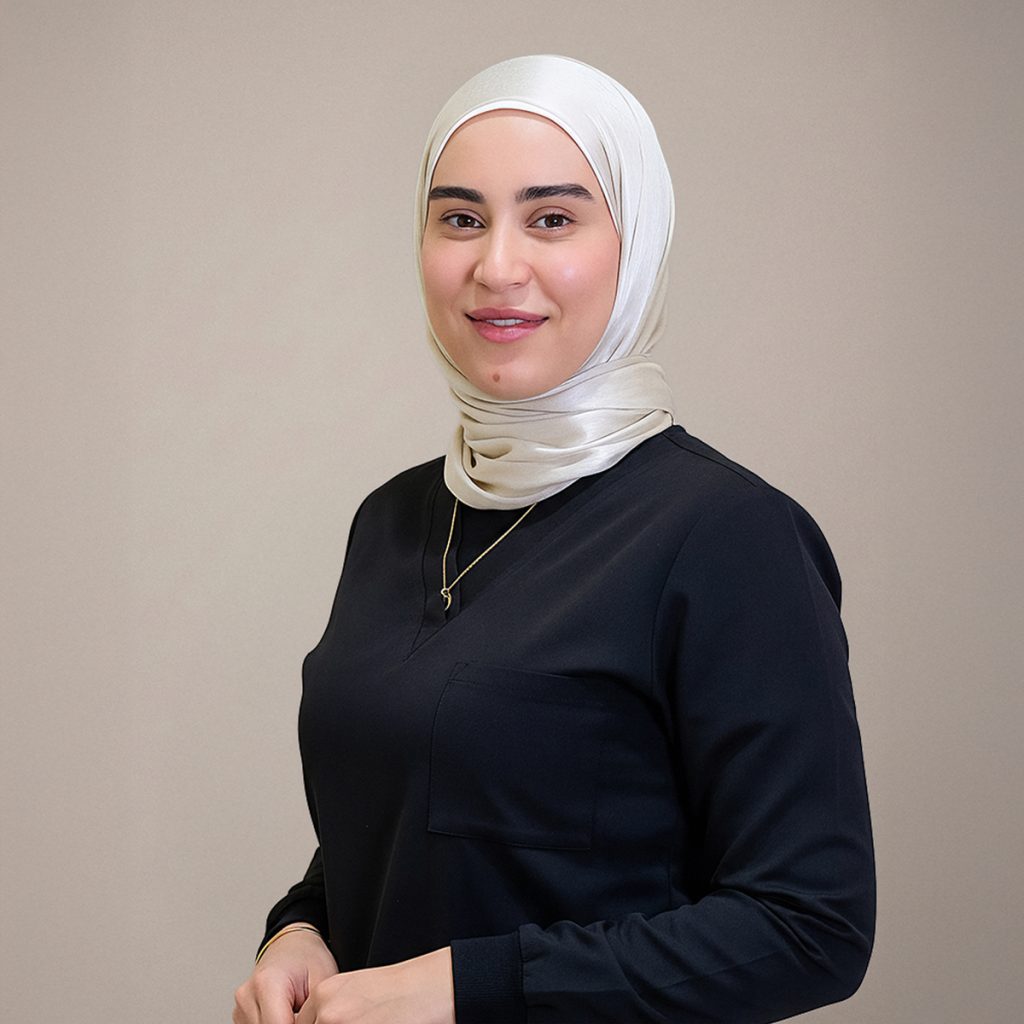
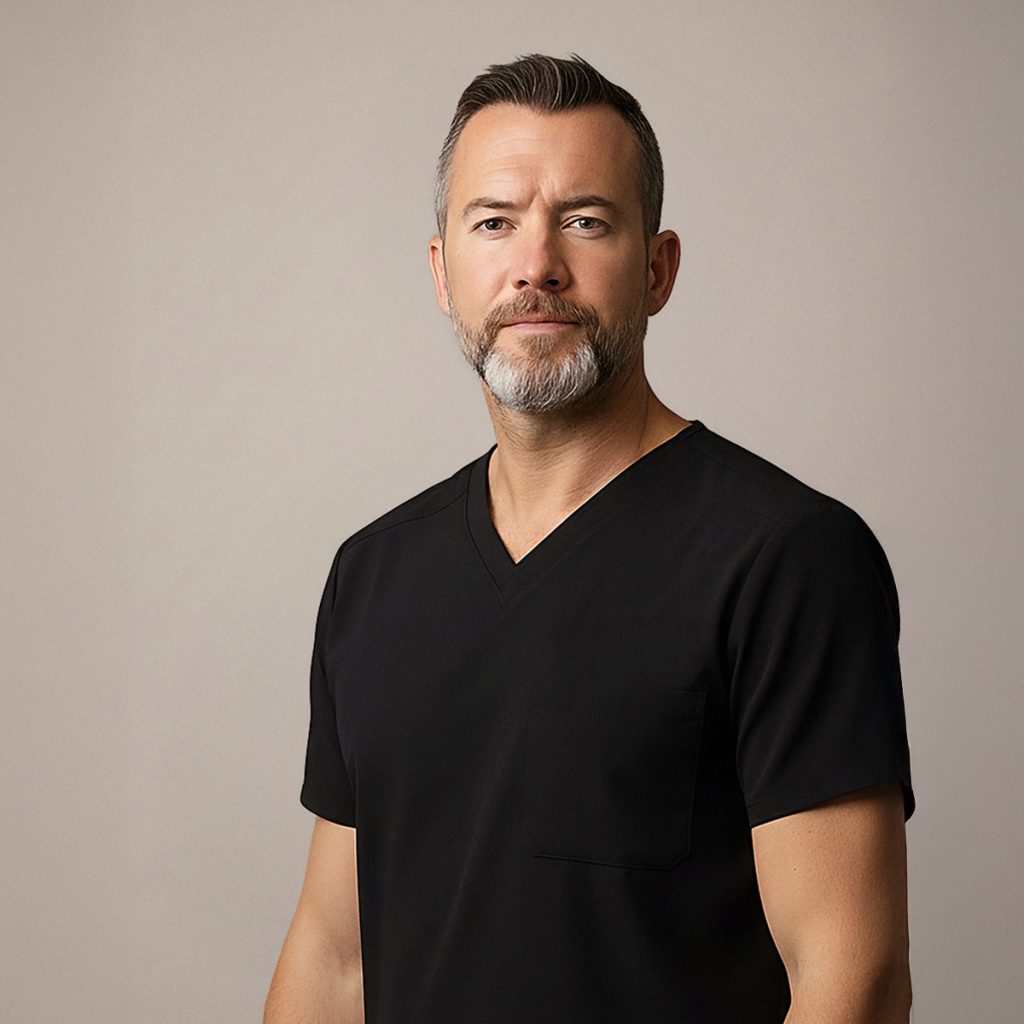
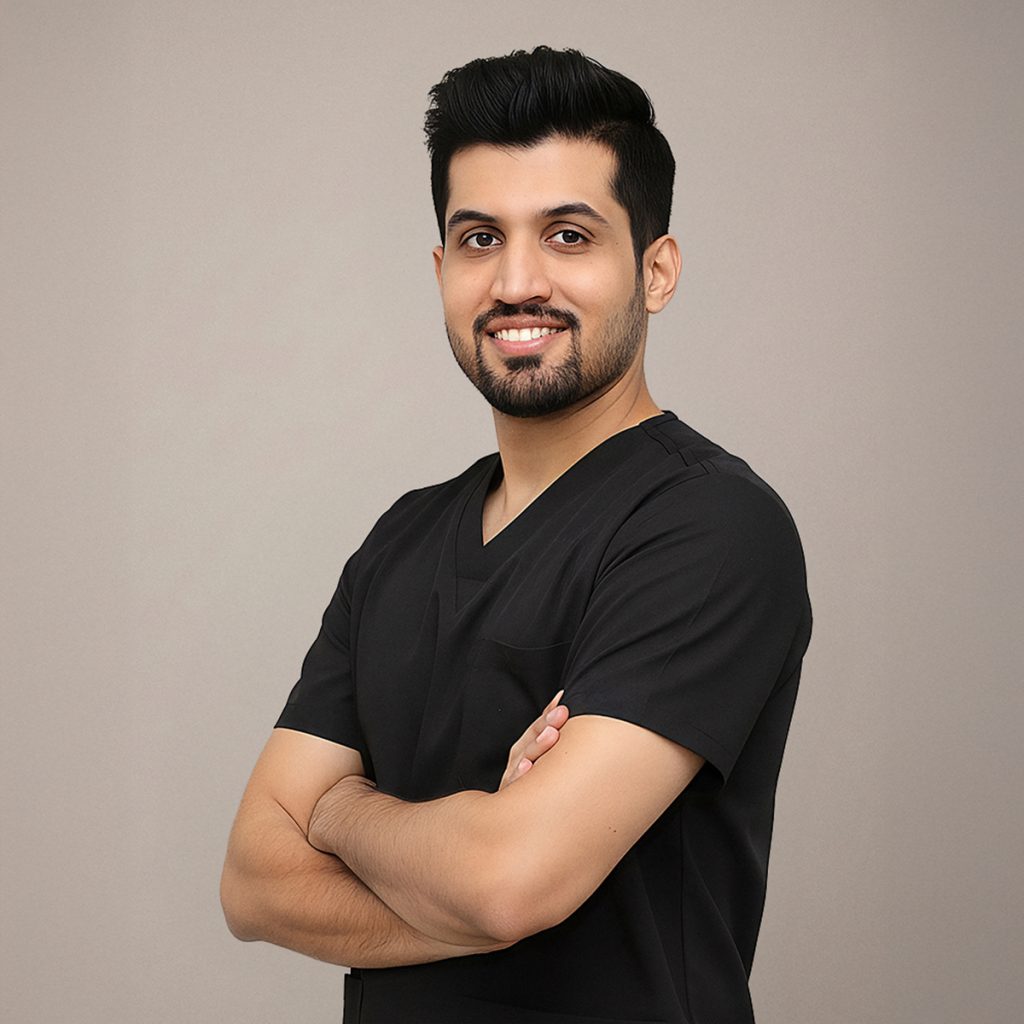
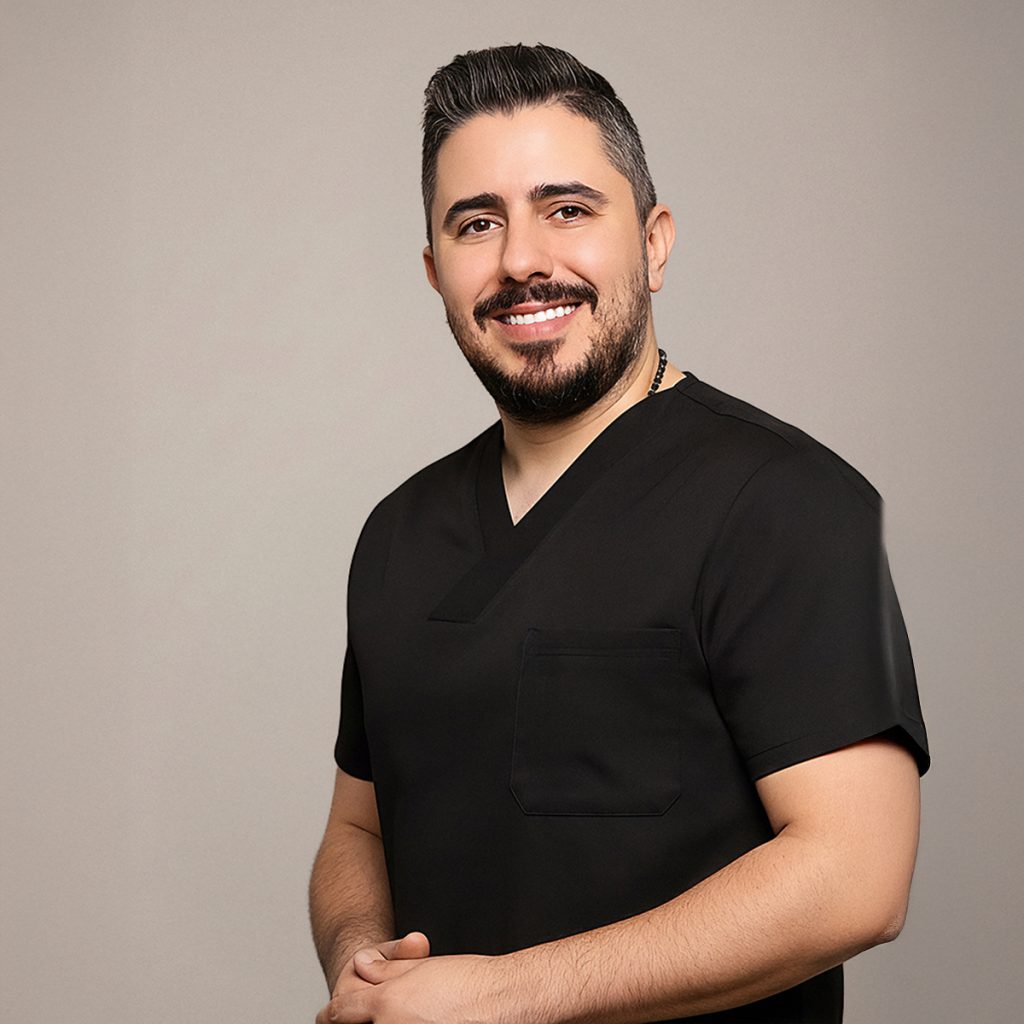
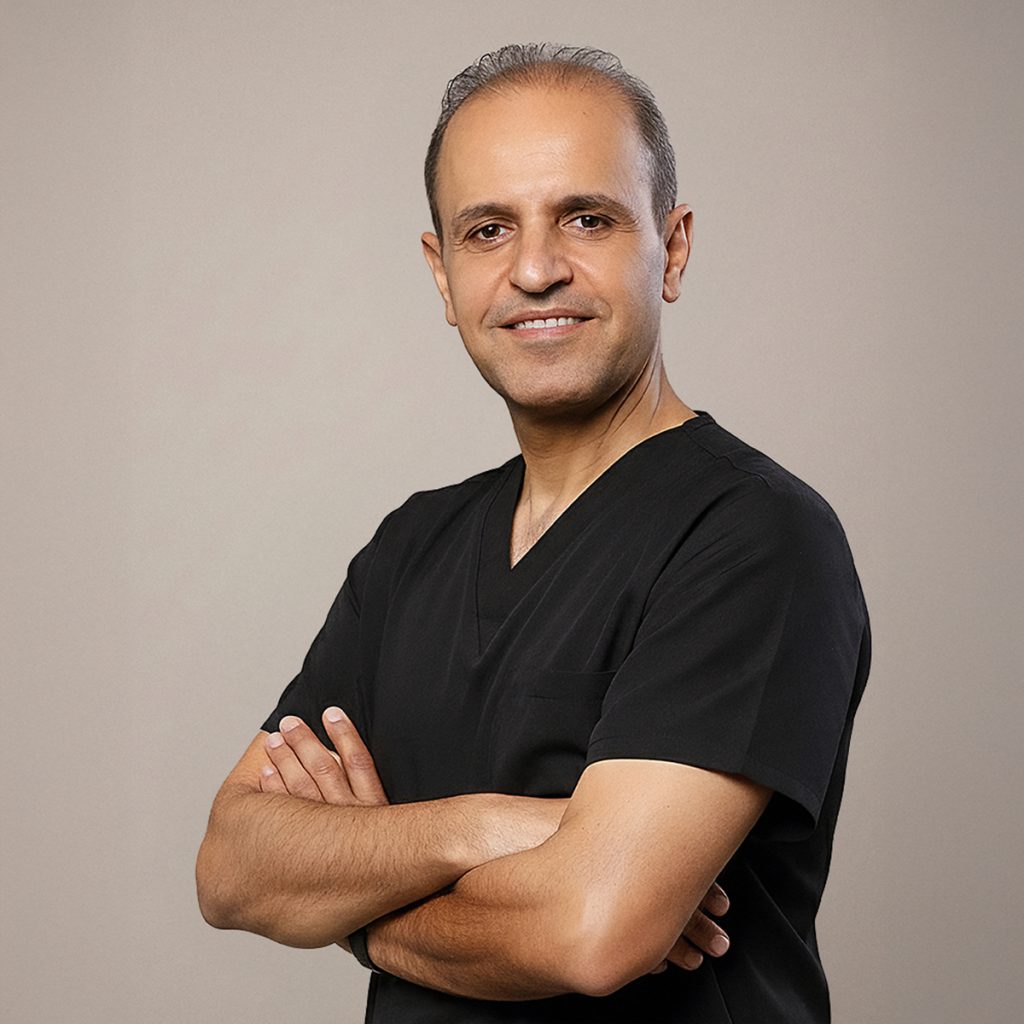
Know your experts

Our team features some of the best Dermatologist in Dubai, globally trained experts delivering natural, refined outcomes.

FAQs

What is a DHI hair transplant?

DHI stands for Direct Hair Implantation, a technique where hair follicles are extracted and implanted directly using a DHI pen, without creating incisions beforehand.

Is a DHI hair transplant permanent?

Yes, the transplanted hair follicles are permanent and continue to grow naturally for life.

What is the difference between DHI and FUE hair transplant?

In FUE, channels are created before graft implantation, while DHI uses a special implanter pen to insert follicles directly, offering more control and less trauma.

How long does a DHI hair transplant take?

Depending on the number of grafts, the procedure usually takes 5–8 hours.

Is shaving required for a DHI hair transplant?

Not always. The DHI method hair transplant can be performed with minimal or no shaving, especially for smaller areas.

When will I see the results?

New hair begins to grow after about three months, with full results visible in 9–12 months.

How much does a DHI hair transplant cost?

The DHI hair transplant price depends on your graft count, surgeon’s expertise, and technology used. A personalized cost estimate is provided during consultation.

Can women undergo DHI hair transplantation?

Yes, it’s ideal for both men and women experiencing thinning or pattern hair loss.

Is DHI suitable for beard or eyebrow transplants?

Yes, DHI hair transplantation is perfect for detailed areas like the beard, eyebrows, or hairline refinements due to its precision.

How do I choose between FUE vs DHI hair transplant?

Our experts at CosmeSurge assess your hair type, loss pattern, and restoration goals to recommend the best technique for natural and lasting results.

Book an appointment