
Gastric Bypass
Gastric bypass in Dubai
Gastric bypass surgery is a bariatric (weight-loss) procedure performed to support individuals with obesity who have not achieved sustainable weight reduction through diet, exercise, or medical management. The procedure helps reduce food intake and calorie absorption while supporting long-term weight control under medical supervision..
Gastric bypass surgery is a well-established bariatric procedure that involves reducing the size of the stomach and rerouting part of the small intestine. This limits food intake and decreases calorie absorption.
The most common technique is the Roux-en-Y gastric bypass, where a small stomach pouch is created and connected directly to a section of the small intestine. Food bypasses most of the stomach and part of the intestine, supporting weight loss and improving metabolic function.
Mini gastric bypass (MGB), also known as one-anastomosis gastric bypass, is a modified version of traditional bypass surgery. It involves creating a small stomach pouch and connecting it to the intestine with a single connection rather than two.
This technique may reduce surgical time and recovery while offering similar weight-loss outcomes. Mini gastric bypass surgery in Dubai is selected based on clinical evaluation and patient suitability.
Gastric bypass surgery is performed laparoscopically under general anesthesia.
Procedure steps:
Anesthesia: General anesthesia is administered for comfort and safety.
Stomach pouch creation: A small pouch is created from the upper portion of the stomach.
Intestinal rerouting: A section of the small intestine is connected to the pouch.
Reduced absorption: Food bypasses part of the digestive tract, reducing calorie intake.
Hormonal changes: The procedure alters gut hormones that influence hunger and metabolism.
The surgery typically takes 2–3 hours, and most patients stay in the hospital for 1–2 days.
Eligibility for gastric bypass surgery is determined through medical assessment. Candidates may include individuals who:
Have a body mass index (BMI) of 35 or higher
Have a BMI of 30–34.9 with obesity-related conditions such as diabetes or hypertension
Have attempted supervised weight-loss programs without long-term success
Are medically and psychologically prepared for lifestyle changes after surgery
A comprehensive evaluation is required to determine whether Roux-en-Y or mini gastric bypass is appropriate.
Gastric bypass surgery may help patients achieve:
Sustained reduction in excess body weight
Improved management of obesity-related conditions (diabetes, hypertension, sleep apnea)
Reduced appetite and improved portion control
Improved physical mobility
Long-term metabolic health support
Structured weight management with medical follow-up
Results vary and depend on adherence to dietary, lifestyle, and medical guidance.
| Aspect | Roux-en-Y Gastric Bypass | Mini Gastric Bypass |
|---|---|---|
| Intestinal connections | Two | One |
| Surgery time | Longer | Shorter |
| Recovery | 2–4 weeks | 1–2 weeks |
| Nutrient absorption | Moderate reduction | Slightly higher reduction |
| Weight-loss outcomes | 60–80% excess weight | 65–85% excess weight |
The choice of procedure is determined based on clinical factors, BMI, and medical history.
Recovery after gastric bypass surgery typically includes:
Hospital stay: 1–2 days
Diet progression: Liquid → pureed → soft → solid foods over several weeks
Activity: Light activity in 7–10 days; gradual return to full activity in 4–6 weeks
Follow-up: Regular visits with the bariatric team for nutritional monitoring and progress assessment
Long-term follow-up and lifestyle adherence are essential for sustained outcomes.
Gastric bypass surgery is generally safe when performed by qualified surgeons. Possible risks include:
Nutrient deficiencies (iron, vitamin B12, calcium)
Dumping syndrome
Temporary nausea or reflux
Leakage at surgical connections (rare)
Infection or bleeding (rare)
All risks are discussed during consultation, and preventive measures are implemented.
The cost of gastric bypass surgery varies based on:
Type of procedure (standard or mini bypass)
Surgeon’s experience
Hospital and facility fees
Preoperative investigations
Postoperative care and nutritional support
A personalized cost estimate is provided after clinical evaluation.
Why choose CosmeSurge for gastric bypass surgery in Dubai and Abu Dhabi?
Specialized expertise
Procedures are planned based on medical evaluation and individual patient suitability.
Personalized care
Each treatment plan is developed according to clinical assessment and patient needs.
Comprehensive facility
Procedures are performed in approved medical facilities following clinical protocols.
Commitment to safety
Care is provided with structured assessments, approved medical standards, and appropriate follow-up.
If you are considering gastric bypass surgery in Dubai or Abu Dhabi, a consultation can help determine whether the procedure is suitable for your medical needs.
During the consultation, eligibility, surgical options, recovery expectations, and costs are discussed in detail.
CosmeSurge provides bariatric care focused on medical evaluation, patient safety, and long-term follow-up.
Before & After



Know your experts
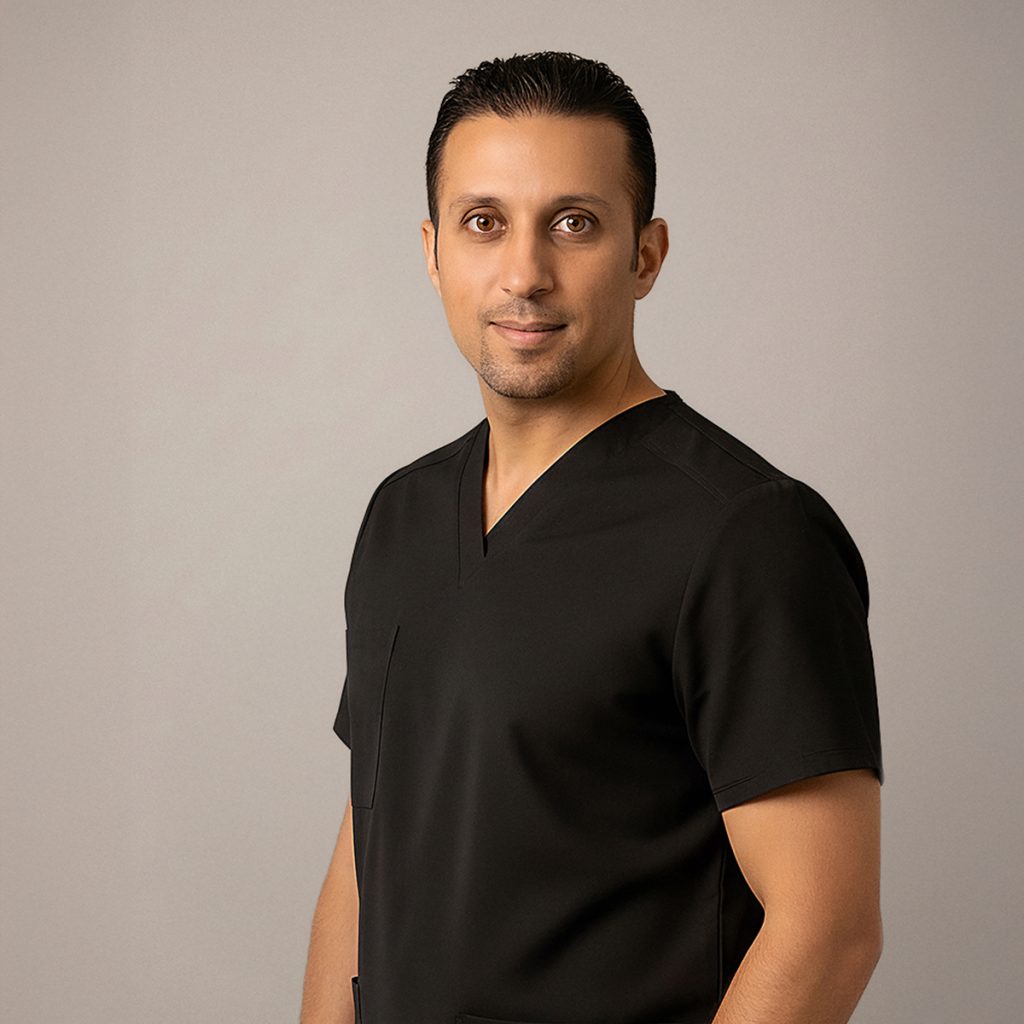
Dr. Samir Rahmani
- Physician Consultant General Surgery