
Chemical Peels for Dark Spots
Chemical peel for pigmentation
Pigmentation problems such as dark spots, melasma, and uneven skin tone are among the most common concerns in dermatology. Whether caused by sun exposure, hormonal changes, acne scars, or aging, these conditions can make the skin appear dull and patchy. While topical creams and home remedies may offer mild improvement, professional chemical peels for pigmentation remain one of the most effective and clinically proven solutions to restore clarity, smoothness, and luminosity.
At CosmeSurge, our dermatologists specialize in chemical peels for pigmentation and melasma, using safe, medical-grade formulations that exfoliate damaged skin, reduce excess melanin, and stimulate new cell growth. Whether you’re struggling with sun spots, post-acne marks, or hormonal pigmentation, chemical peels can help you achieve clearer, more radiant skin with minimal downtime.
Pigmentation occurs when the skin produces too much melanin, the pigment that gives our skin, eyes, and hair their color. When melanin is unevenly distributed, it leads to hyperpigmentation, resulting in dark patches or spots on the face or body.
Melasma is a more complex type of hyperpigmentation often triggered by hormonal fluctuations (such as pregnancy or birth control pills) combined with sun exposure. It typically appears as symmetrical brown or grayish patches on the cheeks, forehead, or upper lip.
Both pigmentation and melasma can be difficult to treat with topical products alone. A chemical peel treatment for pigmentation works at the cellular level to remove damaged skin layers and encourage new, evenly toned skin to form.
A chemical peel for pigmentation is a dermatological treatment that uses a customized solution of acids (such as glycolic, lactic, salicylic, mandelic, or trichloroacetic acid) to gently exfoliate the skin. By removing the outer layers of dead or damaged cells, chemical peels reveal fresher, smoother, and lighter skin underneath.
This process also stimulates collagen production, refines pores, and promotes uniform skin tone. The strength and depth of the peel are selected based on your skin type, pigmentation severity, and desired results.
- Superficial Peels:
Use mild acids such as glycolic or lactic acid. Ideal for mild pigmentation, dullness, or uneven tone. - Medium Peels:
Use trichloroacetic acid (TCA) or stronger glycolic acid to target deeper pigmentation and early melasma. - Deep Peels:
These contain high-strength TCA or phenol, used for advanced pigmentation and texture correction under medical supervision.
Each peel works by loosening the bonds between old skin cells, allowing them to shed naturally and revealing a clearer, brighter surface.
Chemical peel pigmentation treatments work on multiple levels to fade dark spots and even out the complexion:
- Exfoliation: Removes damaged outer layers that contain excess melanin.
- Melanin Regulation: Suppresses melanin-producing cells (melanocytes) to prevent new spots.
- Cell Renewal: Encourages the growth of fresh, healthy skin cells.
- Stimulation of Collagen: Improves skin texture and elasticity.
Over several sessions, pigmentation gradually fades, and the skin becomes brighter, smoother, and more uniform.
Melasma can be challenging to treat because it lies deep within the skin and is often triggered by hormones. However, certain melasma chemical peel treatments are formulated to gently lift pigmentation without irritating sensitive skin.
Common Peels Used for Melasma:
- Glycolic Acid Peel: Improves cell turnover and enhances skin radiance.
- Lactic Acid Peel: Hydrates and brightens without harshness, ideal for sensitive skin.
- TCA Peel: Targets deeper melasma and sun damage.
- Mandelic Acid Peel: Reduces inflammation and lightens dark patches.
- Jessner’s Peel: A combination peel effective for stubborn melasma and acne-related pigmentation.
Chemical peel for melasma before and after results typically show significant fading of dark patches, smoother texture, and a more even skin tone after a few sessions.
Is Chemical Peel Good for Melasma?
Yes. Chemical peels are considered safe and effective for melasma when performed under professional supervision. By accelerating skin renewal and reducing melanin buildup, peels help restore clarity and brightness while improving overall skin quality.
- Lightens Dark Spots and Uneven Tone: Visibly reduces pigmentation, sunspots, and age spots.
- Improves Melasma Patches: Fades hormonally triggered discoloration.
- Refines Texture: Smooths roughness and minimizes fine lines.
- Stimulates Collagen: Enhances skin firmness and elasticity.
- Brightens the Complexion: Reveals radiant, youthful skin.
- Non-Invasive and Quick: Minimal downtime with noticeable improvement after a few sessions.
Whether you’re targeting facial discoloration, lip pigmentation, or pigmentation on the neck and body, chemical peels can be customized to meet your needs.
Chemical peel before and after pigmentation photos often demonstrate dramatic improvement in clarity and tone. Within a few days of treatment, old cells begin to shed, and the skin appears smoother and lighter. Over multiple sessions, dark spots, freckles, and melasma patches fade visibly, revealing a more even and refreshed complexion.
Most patients notice the following changes:
- Fading of dark patches and spots
- Brighter, more luminous skin
- Reduced pore size and improved smoothness
- Decreased acne-related pigmentation
Results continue to improve with consistent treatments and proper sun protection.
Both laser treatments and chemical peels are effective for pigmentation, but the right choice depends on the depth and type of pigmentation:
Treatment | Works Best For | Downtime | Benefits |
Chemical Peels | Surface pigmentation, melasma, dullness | Minimal | Gentle, cost-effective, improves overall tone |
Laser Treatments (Pico, Fraxel) | Deep pigmentation, stubborn spots | Moderate | Precise targeting, faster clearance |
For many patients, a combined approach of laser and chemical peel offers the most comprehensive results, exfoliating surface discoloration while targeting deeper melanin deposits.
A chemical peel pigmentation treatment at CosmeSurge is a quick, comfortable, and medically supervised procedure:
- Consultation:
Your dermatologist assesses your skin type, pigmentation pattern, and sensitivity to select the appropriate peel. - Preparation:
The skin is cleansed, and protective ointment may be applied to sensitive areas. - Application:
The chemical solution is applied evenly to the skin. You may feel a mild tingling or warmth. - Neutralization:
After a few minutes, the peel is neutralized and removed. - Aftercare:
A soothing moisturizer and sunscreen are applied to protect the skin.
The entire session takes around 30-45 minutes. Superficial peels allow you to resume daily activities immediately, while medium peels may cause mild flaking for a few days.
After a chemical peel, your skin will feel slightly tight or warm for a short time. Peeling or flaking may occur over the next 3-5 days as old cells shed.
Aftercare Tips
- Avoid direct sun exposure for at least a week.
- Use a broad-spectrum sunscreen daily.
- Keep skin moisturized and avoid harsh exfoliants.
- Do not pick or peel shedding skin.
- Follow your dermatologist’s skincare plan for best results.
Proper post-treatment care ensures optimal results and prevents complications such as pigmentation after chemical peel or redness.
Chemical peels significantly reduce pigmentation and melasma, but ongoing maintenance and sun protection are essential to prevent recurrence. Most patients benefit from periodic treatments combined with medical-grade skincare to sustain results.
The pigmentation chemical peel price varies depending on the peel type, depth, and number of sessions required. Superficial peels are generally more affordable, while deeper or combination peels may cost more due to their intensity and longer results.
Your dermatologist will discuss a personalized treatment plan and pricing after assessing your skin’s needs.
Is chemical peel good for pigmentation and melasma? Absolutely, when performed by professionals. However, as with any skin treatment, mild side effects such as redness, tightness, or temporary darkening may occur but resolve quickly.
Rare side effects like dark spot after chemical peel or post-inflammatory pigmentation are usually due to sun exposure or improper aftercare. These risks can be minimized by following your dermatologist’s guidance carefully.
Chemical peels are generally safe for most skin types but should be avoided during pregnancy, active infections, or in those with very sensitive or reactive skin.
Both microneedling and chemical peels improve pigmentation by stimulating skin renewal, but they work differently:
- Microneedling: Creates micro-injuries that trigger collagen and repair from within, ideal for scars and deeper pigmentation.
- Chemical Peels: Exfoliate surface layers to fade spots and improve tone, ideal for superficial pigmentation and melasma.
Many patients benefit from combination therapy, alternating between microneedling and peels for enhanced and long-lasting results.
Visible improvement usually begins within a week after your first peel, with continued enhancement over multiple sessions. The skin becomes clearer, smoother, and more luminous.
With proper maintenance, results from a chemical peel for pigmentation can last for several months, and periodic sessions help preserve brightness and clarity.
Why choose CosmeSurge for chemical peel treatments
When it comes to chemical peels for pigmentation and melasma, expertise, customization, and safety make all the difference. CosmeSurge is a trusted name in dermatological care, offering advanced pigmentation solutions using medical-grade formulations.
Specialized expertise
Our board-certified dermatologists customize every peel according to your skin type, pigment depth, and desired results.
Personalized Treatment Plans
Each session is carefully tailored to balance exfoliation, hydration, and rejuvenation for safe, effective outcomes.
State-of-the-Art Facility
All procedures are performed in JCI-accredited clinics using clinically tested products and strict safety protocols.
Commitment to Results and Comfort
We prioritize patient safety, minimal downtime, and visible results with every treatment.
Rediscover clear, luminous, and even-toned skin with Chemical Peel Treatments at CosmeSurge, where science meets beauty for radiant confidence.Book an appointment today.
CosmeSurge – Where Every Peel Unveils New Skin.
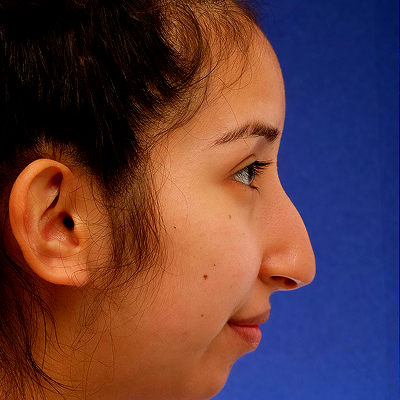
Before & After





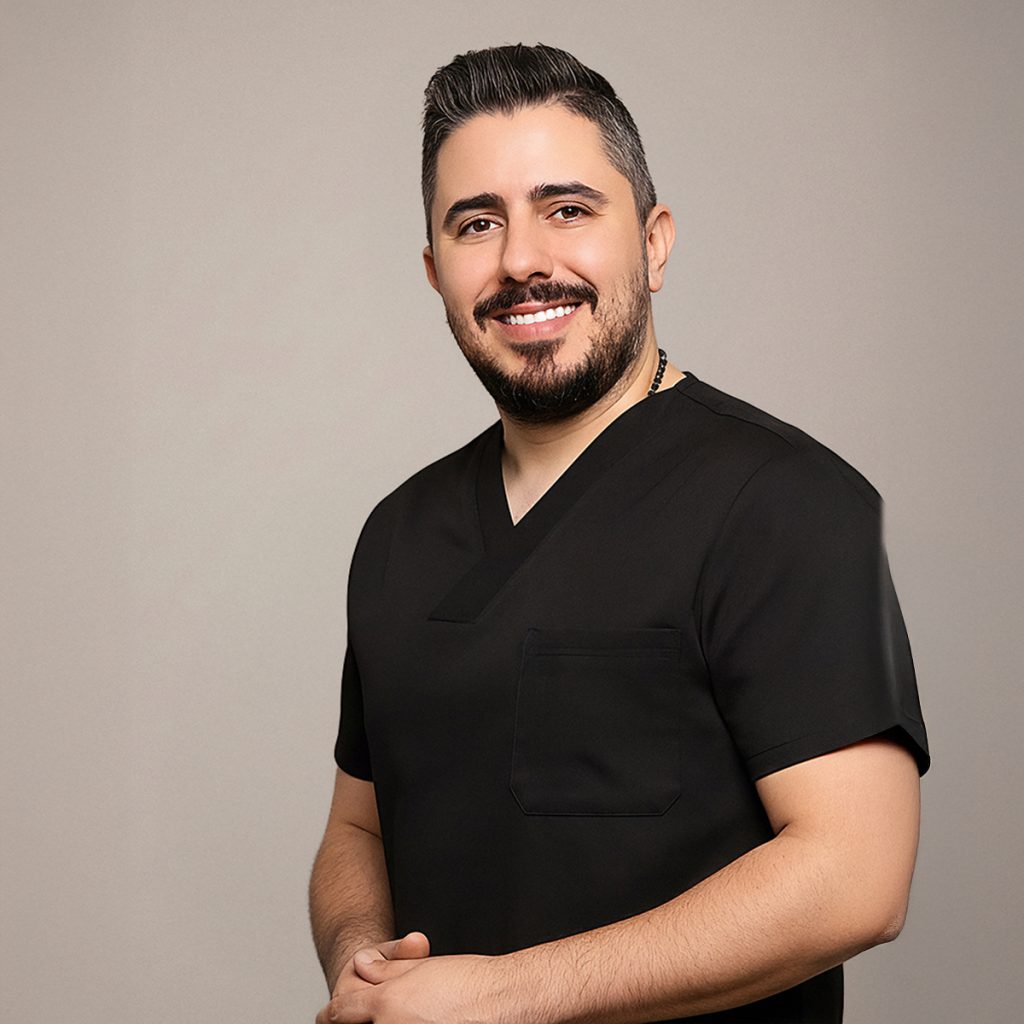
Know your experts
Our team features some of the best Dermatologist in Dubai, globally trained experts delivering natural, refined outcomes.




















FAQs
It’s a treatment that uses mild acids to exfoliate damaged skin, lighten dark spots, and even skin tone.
It can significantly lighten pigmentation and melasma, though maintenance treatments and sun protection are essential.
Yes. When performed correctly, it safely fades melasma by reducing excess melanin and promoting skin renewal.
Glycolic, lactic, mandelic, or TCA peels are commonly used, chosen based on pigmentation depth and skin type.
Yes. Gentle formulations can safely lighten lip and body pigmentation.
Mild redness, peeling, or tightness that resolves within a few days.
Temporary darkening may occur but subsides with proper aftercare.
Most patients need 3-6 sessions spaced several weeks apart.
Peels work best for surface pigmentation; lasers target deeper pigment. Your dermatologist may combine both for optimal results.
It can greatly reduce melasma, but maintenance and strict sun protection are key to preventing recurrence.