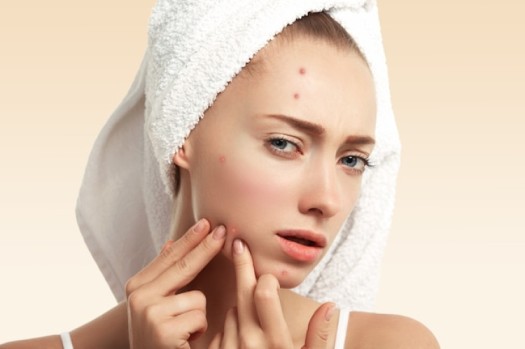
There is a specific kind of frustration that comes with looking at your skin under certain lighting—perhaps in the car mirror or a bright bathroom—and seeing dozens of tiny, flesh-colored bumps disrupting the surface. They aren’t quite pimples, as they rarely hurt or turn red, but they are incredibly stubborn. In clinical terms, we call these closed comedones. If you have ever felt like your skin texture resembles sandpaper or seen small “blind” bumps that refuse to come to a head, you are likely dealing with this common form of non-inflammatory acne. Knowing how to get rid of closed comedones requires more than just a good scrub; it demands an understanding of how skin cells behave and how to gently encourage them to stop clogging your pores.
In a place like the UAE, where the heat and humidity can lead to increased sebum production and environmental debris often settles on the skin, managing these clogs is a frequent topic in dermatological consultations. At CosmeSurge Hospital, Dubai, UAE, we often see patients who have tried “popping” these at home, only to end up with inflammation and scarring. The secret to a smoother complexion isn’t force; it is a combination of the right chemical exfoliants, medical-grade topicals, and professional interventions.
The Science of the "Clog"
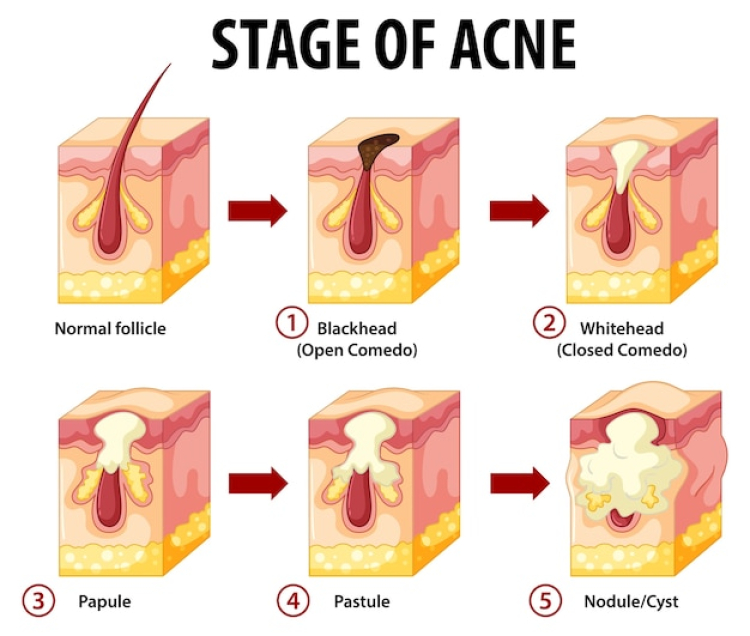
To understand the treatment, we have to look at what is happening inside the pore. A closed comedone is essentially a microscopic plug. Your skin is a living organ that is constantly shedding dead cells. At the same time, your sebaceous glands are producing oil (sebum). When the shedding process becomes sluggish—a condition called hyperkeratosis—the dead cells stick together, mix with the oil, and form a firm “plug” inside the hair follicle.
Because the pore is completely closed at the surface, the material inside doesn’t oxidize or turn black. Instead, it remains white or flesh-colored. This is why they are often called “whiteheads.” They sit just beneath the surface, protected by a thin layer of skin, which is exactly why they are so hard to wash away with traditional cleansers.
How to Get Rid of Closed Comedones: The Medical Approach
When a patient asks about how to get rid of closed comedones, we generally move through a hierarchy of treatments, starting with topical ingredients that normalize how skin cells shed.
The Role of Retinoids
Retinoids (Vitamin A derivatives) are the gold standard. They don’t just “clean” the pore; they communicate with the skin cells to tell them to turn over faster and more efficiently. This prevents the “sticky” cells from forming a plug in the first place.
Adapalene and Tretinoin: These are the most commonly prescribed clinical options. They are potent and require a period of adjustment.
The Purging Phase: It is important to note that when you start a retinoid, your skin might look worse before it looks better. This is called “purging.” The medication is pushing existing clogs to the surface all at once. It requires patience—usually 8 to 12 weeks—to see the true results.
Chemical Exfoliants: AHAs and BHAs
While retinoids work on cell turnover, chemical acids work by dissolving the “glue” that holds dead cells together.
Salicylic Acid (BHA): This is oil-soluble, meaning it can actually penetrate into the pore to break up the sebum plug. It is incredibly effective for managing the “congestion” associated with comedonal acne.
Glycolic and Lactic Acid (AHAs): these work on the skin’s surface. By thinning out the top layer of dead skin, they make it easier for the pore to remain open and for other treatments to penetrate.
Professional Extractions
Sometimes, a comedone is so deeply fixed that no cream will move it. In these cases, a clinical extraction is necessary. This is a sterile procedure where a professional—like the specialists at CosmeSurge Hospital, Dubai, UAE—uses a specialized tool to apply even pressure and release the clog.
Important Note: This is entirely different from “popping” a pimple at home. Home extractions often rupture the follicle wall, leading to a red, painful cyst or a permanent scar. Clinical extraction is controlled and preserves the skin’s integrity.
Why “Popping” is Not a Treatment
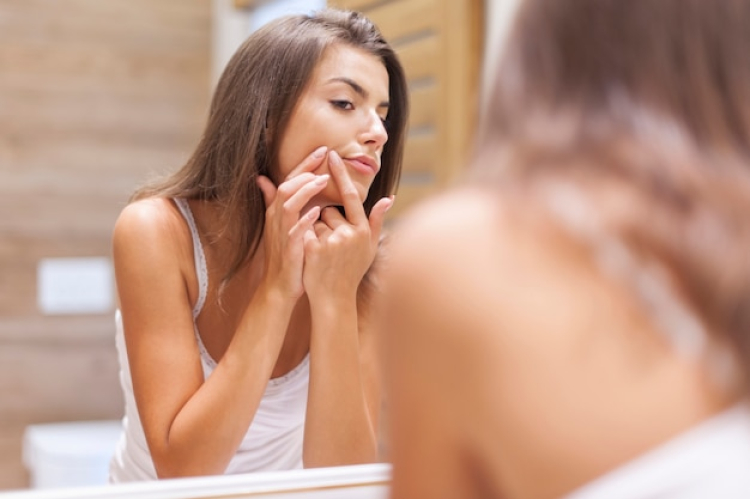
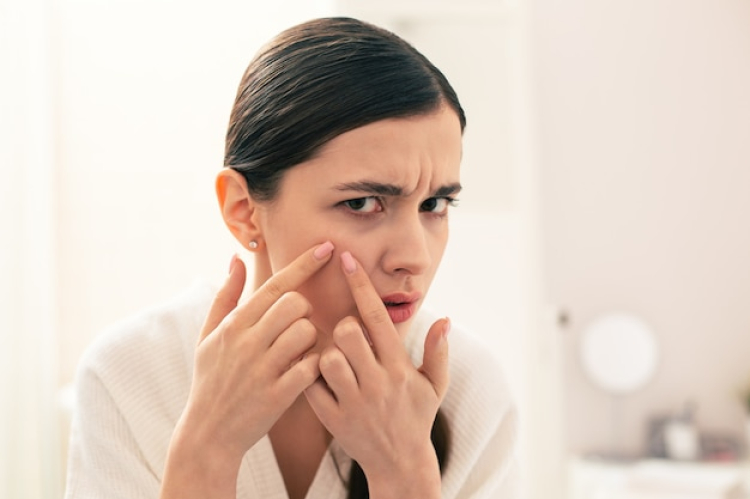
It is incredibly tempting to try and squeeze these bumps. However, because the pore is closed, the pressure has nowhere to go but down. When you squeeze, you risk pushing the bacteria and debris deeper into the dermis. This can turn a simple, non-inflammatory comedone into an angry, inflammatory lesion. In the clinical world, we often spend more time treating the “post-inflammatory hyperpigmentation” (the dark spots left after picking) than we do treating the original comedones.
Advanced Clinical Interventions
For persistent cases that do not respond to topicals, we look toward energy-based or chemical treatments that can be more intensive.
Medical-Grade Chemical Peels
A professional chemical peel uses a higher concentration of acids than you can buy over the counter. These peels—often containing salicylic or mandelic acid—exfoliate the skin deeply and help to clear out multiple comedones in a single session. They are often performed in a series of 3 to 6 treatments to achieve a significant shift in skin texture.
Light and Laser Therapy
While usually associated with inflammatory acne, certain light therapies can help by reducing the size of the oil glands. If your skin is producing less oil, the “glue” for the comedone is less available. This is often used as a maintenance treatment for patients who are prone to recurring clogs.
The Patient Journey: Evaluation and Planning
When you visit a clinic like CosmeSurge Hospital, Dubai, UAE, the first step isn’t a procedure—it is a diagnosis. The specialist will examine your skin to ensure the bumps are actually closed comedones and not something else, like milia (tiny keratin cysts) or sebaceous hyperplasia (enlarged oil glands).
The clinician will also review your “comedogenic load.” This means looking at every product you put on your face. In our experience, many patients are inadvertently causing their own comedones by using heavy, oil-based sunscreens or thick night creams that aren’t compatible with their skin type. A successful treatment plan usually involves stripping back your routine to the basics: a gentle cleanser, a non-comedogenic moisturizer, and a targeted medical treatment.
Prevention: Keeping the Pores Clear
Once you have learned how to get rid of closed comedones, the focus shifts to maintenance. This is especially vital in the UAE climate.
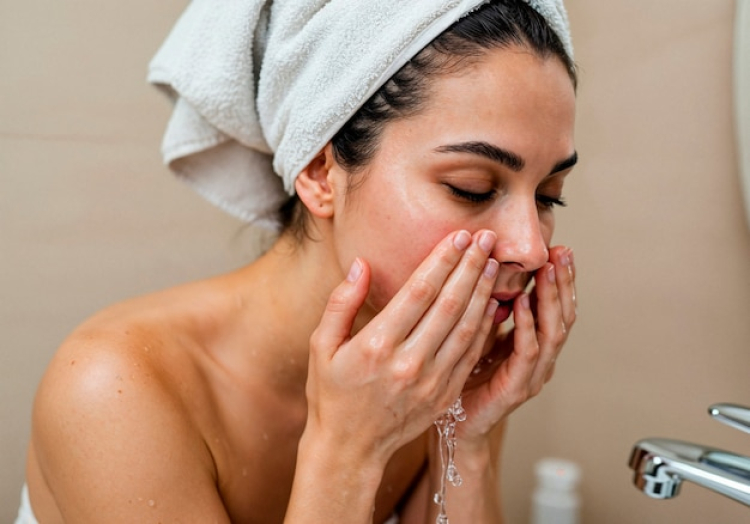
Double Cleansing: If you wear makeup or heavy sunscreen (which you should), a single wash may not be enough. An oil-based cleanser followed by a water-based one ensures that all debris is removed before you sleep.
Non-Comedogenic Labeling: Ensure your products are “non-comedogenic,” meaning they have been tested to not block pores.
Consistency: Comedonal acne is often a chronic tendency. Stopping your retinoid as soon as your skin clears often leads to a relapse. Think of it as a long-term relationship with your skin’s health.
How to Treat Closed Comedones for Long-Term Clear Skin
Reclaiming smooth skin texture requires consistency, patience, and the right approach. If you are wondering how to treat closed comedones effectively, the key lies in supporting your skin’s natural barrier through evidence-based care. While quick fixes may seem appealing, the best treatment for closed comedones focuses on gradual improvement with scientifically backed routines tailored to your specific skin type.
Whether you are starting with targeted over-the-counter topicals or exploring professional treatment for closed comedones, long-term success comes from consistency. Understanding how to clear closed comedones safely involves regular gentle exfoliation, proper skincare selection, and avoiding harsh practices that may disrupt your skin barrier.
For individuals seeking advanced closed comedones treatment, a professional dermatological assessment can help determine how to remove closed comedones effectively using customized protocols. At CosmeSurge Hospital Dubai, clinical evaluations are designed to support informed decisions and personalized care plans, ensuring your journey toward clearer, healthier-looking skin is both safe and effective.
Frequently Asked Questions (FAQs)
Here are some answers to the specific questions we often hear but didn’t cover in detail above.
Skin cells take about 28 days to renew. Most treatments for closed comedones require at least two to three skin cycles to show a real difference. You should expect to see significant results after about 8 to 12 weeks of consistent use.
Actually, physical scrubs can be counterproductive. They can irritate the surface and cause the skin to thicken as a protective measure, which can lead to more clogs. Chemical exfoliants are a much better option.
Comedones aren’t about “dirt.” They are about how your skin cells shed and how much oil you produce. You can have perfectly “clean” skin and still have clogs if your cells are naturally sticky.
Purging is very real. If you are using a retinoid or an acid, and the bumps are appearing in areas where you usually get them, it is likely a purge. If you are getting red, itchy rashes in new areas, it might be an irritation or allergy.
Closed comedones are clogged pores (sebum and skin). Milia are tiny cysts filled with keratin. Milia are usually harder and don’t have a pore opening at all; they generally require a dermatologist to remove them with a small needle.
There is some evidence that high-glycemic diets (sugary foods) and dairy can increase IGF-1 levels, which stimulates oil production. If you have persistent clogs, it may be worth tracking your diet.
We strongly advise against it. Without the proper angle and sterilization, you are likely to cause scarring or push the infection deeper. These tools are best left to professionals.
The heat increases sweat and oil production. When these mix with sunscreen and environmental dust, the “sludge” in your pores becomes thicker and more likely to clog.
Occasionally, they will be pushed out by natural cell turnover, but they often stay dormant for months or eventually turn into an inflamed pimple.
It is a moisturizer formulated without ingredients known to block pores (like certain oils or lanolin). It doesn’t guarantee you won’t clog, but it significantly reduces the risk.
Stress increases cortisol, which tells your sebaceous glands to produce more oil. More oil often leads to more clogs.
Retinoids make your skin more sensitive to UV light. In the UAE, it is mandatory to wear a high-SPF sunscreen during the day if you are using these treatments at night.
Mild cases often respond to over-the-counter salicylic acid. However, if your skin is consistently bumpy or if the comedones are turning into inflammatory acne, a specialist can provide stronger, more effective prescriptions.
Yes. The friction and trapped breath/humidity under a face mask create a “greenhouse effect” that is perfect for pore congestion.
Most dermatologists agree that Tretinoin or Adapalene (retinoids) are the most effective long-term solution for comedonal acne.
Medical Disclaimer & Review
Content on the CosmeSurge website is for informational and educational purposes only and does not replace professional medical advice, diagnosis, or treatment. Always consult a qualified healthcare professional for medical concerns and never delay seeking advice based on this content. In emergencies, contact your doctor or local emergency services immediately.
Medically reviewed by a qualified specialist at CosmeSurge Hospital, Dubai, UAE.