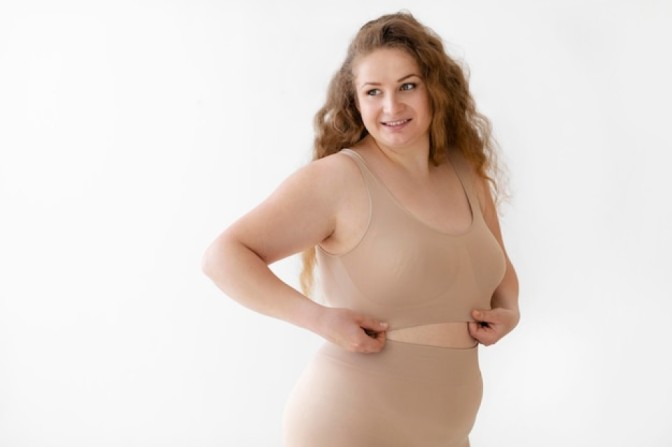

The evolution of the female body is a narrative of change, and for many women, one of the most significant chapters involves the shift in breast firmness and position. It is incredibly common to stand before a mirror and wonder how to fix saggy breasts naturally, especially after life milestones like pregnancy, significant weight loss, or simply the passage of time. While it is important to be medically honest—no cream or exercise can physically relocate a nipple or replace lost internal volume—there are numerous ways to support the skin’s resilience, strengthen the foundational muscles, and prevent further descent.
In the clinical setting at CosmeSurge Hospital, Dubai, UAE, we often encounter patients seeking a middle ground between doing nothing and opting for medical procedures. This middle ground is built on a foundation of physiological support and skin health. Understanding the anatomy of the breast is the first step: since the breast itself is composed of fat and glandular tissue rather than muscle, “lifting” it naturally is about managing the “envelope” (the skin) and the “platform” (the pectoral muscles) upon which it sits.
The Reality of Natural Breast Firming: Managing the Envelope
When exploring how to fix saggy breasts naturally, we must look at the internal suspension system known as Cooper’s ligaments. These thin, fibrous bands hold the breast tissue against the chest wall. They are made primarily of collagen. Unlike muscles, ligaments do not have the ability to “contract” on command. Once a ligament has stretched significantly under the weight of the breast, it does not “shrink” back.
However, natural management focuses on improving the quality of the “skin envelope”—the external support system. Think of the skin as a supportive garment. If that skin is thick, hydrated, and rich in elastin, it provides a much better “grip” on the underlying tissue. This is why many of the best natural methods focus on the biochemistry of the skin rather than the tissue inside.
Strengthening the Platform: Exercises for Visual Lift
While you cannot exercise the breast tissue itself, you can certainly develop the pectoralis major and minor muscles. These muscles act as the “shelf” for the breast. By increasing the mass and tone of these muscles, you can achieve a subtly more “perky” look because the underlying platform is more robust and provides better projection.
The Power of the Push-Up
The humble push-up is perhaps the most effective movement for chest wall development. It engages the entire pectoral group. For those focused on a “lift,” incline push-ups (with hands on a bench) specifically target the upper portion of the chest, which can help fill the “deflated” upper pole of the breast.
Chest Presses and Dumbbell Flyes
Targeted weight training allows for a more focused contraction of the upper chest muscles. By developing the upper portion of the pectorals, the “slope” of the breast can appear more filled out. This is particularly helpful for women who have noticed a “sagging” appearance after weight loss or nursing.
The Role of the Posterior Chain
Often, what looks like significant sagging is actually the result of poor posture. A “slumped” shoulder position causes the breasts to point downward. Exercises that strengthen the rhomboids and trapezius (the muscles of the upper back) help pull the shoulders back. This naturally “lifts” the chest and improves the overall silhouette immediately.
Nutrition and Skin Resilience: The Internal Approach
Skin elasticity is governed by collagen and elastin. To support these proteins, your diet must provide the necessary building blocks. This is a vital component for those wondering how to fix saggy breasts naturally from the inside out.
The Vitamin C Co-Factor: Vitamin C is essential for collagen synthesis. Without it, your body cannot produce the fibers needed to keep skin tight. In the UAE’s climate, where oxidative stress from heat is high, a diet rich in citrus, bell peppers, and berries acts as a biological shield.
Amino Acids: Collagen is made of glycine, proline, and hydroxyproline. Ensuring adequate intake of lean proteins or high-quality plant-based proteins provides the amino acids required for constant skin repair.
Hydration and the Lipid Barrier: Dehydrated skin loses its “snap.” When skin is chronically dry, it becomes “crepey” and less able to hold the weight of the breast tissue effectively. Drinking ample water and consuming healthy fats (Omega-3s) helps keep the skin’s “glue” strong.
The UAE Climate and Skin Protection: The External Shield
In Dubai, we face unique environmental challenges. The intense UV radiation is a primary cause of “photo-aging.” UV rays penetrate the thin skin of the décolletage, breaking down elastin much faster than aging alone.
If you are looking for natural ways to maintain breast shape, applying a broad-spectrum SPF to your chest every morning—even if you aren’t going to the beach—is one of the most effective preventive measures you can take. Protecting the skin from sun damage ensures it remains as tight as possible for as long as possible, helping to fix saggy breasts naturally by preventing the “envelope” from thinning out.
Mechanical Protection: The Role of Support
One of the most significant, yet preventable, causes of ligamentous stretching is high-impact movement. During running or jumping, the breasts move in a figure-eight pattern. This puts immense strain on Cooper’s ligaments.
The Sports Bra as a Medical Necessity
A high-quality, professionally fitted sports bra is non-negotiable for breast health. It reduces “bounce” by up to 80%, effectively protecting the internal ligaments from micro-trauma. Many women seeking a consultation at CosmeSurge Hospital, Dubai, UAE, find that their discomfort or “heaviness” is significantly mitigated simply by switching to a more supportive, medical-grade bra during their workouts.
Weight Loss and Breast Shape: A Careful Balance
Significant weight loss is a common trigger for ptosis. As the fat cells inside the breast shrink, the skin “envelope” that was once full now appears loose.
To prevent this, medical professionals generally recommend a slow, steady weight loss of no more than 0.5kg to 1kg per week. This gives the skin more time to adapt and contract. Combining weight loss with chest-strengthening exercises is the most balanced natural strategy to maintain as much “perkiness” as possible during a body transformation.
Post-Pregnancy and Breastfeeding: Navigating Change
It is a common myth that breastfeeding causes sagging. Clinical research shows it is actually the pregnancy—and the hormonal/volume changes that come with it—that stretches the ligaments.
For those looking for how to fix saggy breasts naturally after pregnancy, the focus should be on skin recovery. Using high-quality emollients (like cocoa butter or almond oil) and slowly re-introducing pectoral exercises can help the tissues regain some of their former tone, although some degree of change is a natural part of the journey.

How to Fix Saggy Breasts Naturally and Maintain Long-Term Firmness
Understanding how to fix saggy breasts naturally begins with respecting the body’s natural biological changes. While gravity, aging, pregnancy, breastfeeding, and weight fluctuations all play a role, certain lifestyle habits can help support skin elasticity and chest muscle strength. If you are exploring how to lift saggy breasts naturally, it is important to set realistic expectations and focus on gradual, supportive methods.
Natural ways to lift breasts include maintaining a nutrient-rich diet, staying hydrated, performing breast tightening exercises, and wearing proper support garments. Many women ask whether exercises for sagging breasts or even simple routines like push-ups help sagging breasts. Strengthening the pectoral muscles through targeted workouts may improve the overall appearance of firmness, although it does not directly change breast tissue itself.
For those wondering how to tighten sagging breasts naturally or how to make breasts less saggy, consistency is key. Choosing the best bra for sagging breasts, including high-support or lifting bras, can provide immediate structural support. Additionally, maintaining stable body weight may help reduce breast sagging over time, particularly for women concerned about saggy breasts after weight loss, pregnancy, or breastfeeding. Learning how to prevent saggy breasts when losing weight and how to prevent sagging after breastfeeding involves gradual weight changes, adequate nutrition, and proper support.
Every woman’s journey is personal. Some feel confident through natural remedies for sagging breast concerns and lifestyle adjustments alone, while others use these habits as a foundation before considering professional evaluation. The goal is to feel supported, informed, and comfortable at every stage.
If you feel your concerns require specialized assessment, the medical teams at CosmeSurge Hospital Dubai are available to provide professional guidance. The facility follows international safety protocols and focuses on evidence-based rejuvenation techniques, offering a patient-centered environment dedicated to informed decision-making and high standards of care.
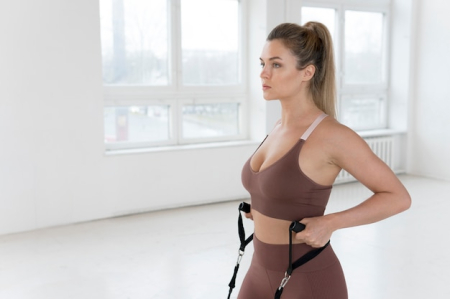
Frequently Asked Questions (FAQs)
You can significantly improve the appearance and firmness of the skin and the muscle “shelf” beneath the breast. However, natural methods cannot move the nipple back to a higher position or remove large amounts of excess skin.
Push-ups strengthen the pectoral muscles. By building this muscle “platform,” the breast tissue can sit higher and appear more projected. It is the best natural way to improve the “base” of the chest.
There is no medical evidence that wearing a bra 24/7 prevents sagging. In fact, some studies suggest that the skin needs a break from external support to maintain its own resilience. However, a bra is essential during high-impact exercise.
The key is to lose weight slowly and stay hydrated. Rapid weight loss is the enemy of skin elasticity. Additionally, incorporating chest-strengthening exercises while you lose weight will help fill the space left by lost fat with muscle tone.
Foods rich in antioxidants and healthy fats—like walnuts, avocados, and berries—support the skin’s lipid barrier. There is no “magic food,” but a balanced, anti-inflammatory diet keeps your collagen healthy.
It provides a very temporary “tightening” effect due to the skin’s reaction to the temperature. It is a nice refreshing ritual, but it does not provide a permanent lift.
As mentioned, it is usually the pregnancy itself that causes the volume change. Whether you nurse or not, the skin and ligaments have already undergone stretching during the nine months of growth.
Yes. Smoking is a leading cause of premature sagging. The chemicals in tobacco break down elastin, which is the protein that allows skin to “snap back” and hold its shape.
Olive oil is a great moisturizer, and healthy skin looks firmer than dry skin. However, it cannot penetrate deep enough to affect the internal ligaments or the pectoral muscle.
Look for a bra with a wide under-band and side-support panels. For exercise, a high-impact encapsulation bra (where each breast is supported separately) is superior to a compression bra for preventing ligament stretch.
Enormously. Rolling your shoulders forward makes the breasts point down. Standing tall with your shoulders back naturally “lifts” the chest and improves the contour immediately.
Massage can improve lymphatic drainage and blood flow, which helps the skin stay healthy and glowing. It is a great supportive therapy, but not a structural one.
It is never too early. Protecting your skin from the sun and wearing a good sports bra in your teens and 20s will pay dividends in your 40s and 50s.
Be cautious of supplements that claim to lift or enhance breasts. Many contain phytoestrogens, which may affect your hormone levels. Always consult a doctor before starting any supplement for breast enhancement.
If you have significant excess skin or “Grade III” ptosis, natural methods will likely only provide very subtle changes. At this point, a consultation at CosmeSurge Hospital, Dubai, UAE, can help you understand what is realistically possible through medical intervention.
Medical Disclaimer & Review
Content on the CosmeSurge website is for informational and educational purposes only and does not replace professional medical advice, diagnosis, or treatment. Always consult a qualified healthcare professional for medical concerns and never delay seeking advice based on this content. In emergencies, contact your doctor or local emergency services immediately.
Medically reviewed by a qualified specialist at CosmeSurge Hospital, Dubai, UAE.