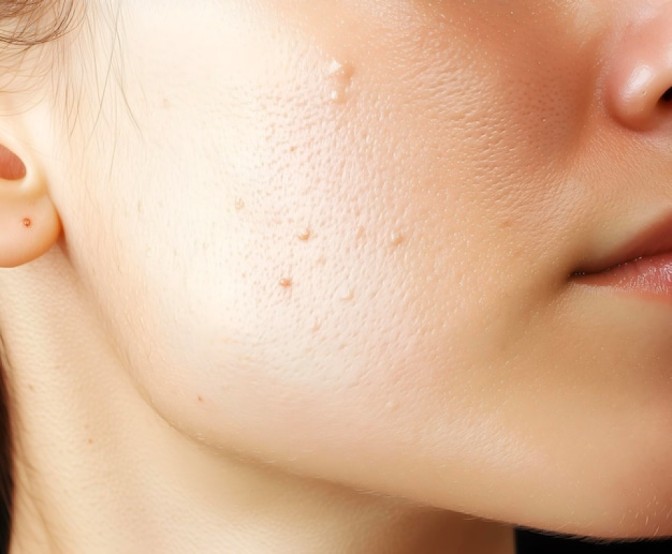
There is a specific kind of frustration that comes with looking at your skin in the mirror and seeing dozens of tiny, flesh-colored bumps that simply refuse to go away. They aren’t quite pimples—they don’t usually hurt or turn red—but they disrupt the texture of your skin, especially under certain lighting. In the clinical world, we refer to these as closed comedones. While they might seem like a minor cosmetic nuisance, they are actually a very specific stage of the acne cycle, and understanding how they form is the first step toward reclaiming a smoother complexion.
Living in a climate like the UAE, where high humidity and heat are constant companions, our skin is often pushed to its limits. Sweat, sunscreen, and environmental pollutants can combine to create the perfect environment for these stubborn bumps to take root. If you have been struggling with uneven skin texture, you aren’t alone; closed comedones are among the most common reasons patients seek professional dermatological advice.
What Exactly Are Closed Comedones?
To understand a closed comedone, we have to look at the basic unit of our skin: the pilosebaceous unit. This is a fancy term for a hair follicle and its attached oil (sebaceous) gland. Your skin is constantly producing sebum to keep itself hydrated and shedding dead skin cells to make room for new ones.
Usually, this process is seamless. However, when the shedding process slows down or the oil production increases, a “plug” forms. A closed comedone occurs when this plug of sebum and dead skin cells gets trapped beneath the surface of the skin. Because the pore remains completely closed to the air, the material inside doesn’t oxidize or turn black. Instead, it remains white or flesh-colored, creating that small, raised bump often referred to as a “whitehead” or a “blind bump.”
In the early stages, these are sometimes called microcomedones—lesions so small they can’t even be seen with the naked eye. But as the debris builds up, the follicle swells, and the bump becomes a visible closed comedone.
Why Do Closed Comedones Form? (The UAE Context)
If you find yourself asking why these bumps are suddenly appearing, it’s usually a combination of biology and environment. In the clinical setting at CosmeSurge Hospital, Dubai, UAE, we often see that external factors play as much of a role as internal hormones.
The Obstruction of the Pore
The primary cause of closed comedones is a process called hyperkeratosis. Essentially, your skin cells are sticking together rather than shedding. When these sticky cells mix with excess sebum, they form a semi-solid mass. This is often triggered by:
Hormonal Fluctuations: Androgens (male hormones present in both men and women) can stimulate oil glands to go into overdrive. This is why we often see these bumps flare up during puberty, pregnancy, or menstrual cycles.
Comedogenic Products: This is a big one in the beauty world. Many heavy creams, oils, and even certain sunscreens contain ingredients that physically block the pore opening.
Environmental Factors: In Dubai, the intense heat leads to increased sweating. When sweat sits on the skin and mixes with makeup or dust, it can accelerate the clogging process.
Diet and Lifestyle
While the “chocolate causes acne” myth has been largely debunked, there is clinical evidence suggesting that high-glycemic diets—diets rich in refined sugars and dairy—can increase insulin levels, which in turn may stimulate more oil production. It’s a subtle link, but for some patients, it is the missing piece of the puzzle.
Recognizing the Symptoms You Might Be Ignoring
Most people don’t realize they have closed comedones until they feel their skin under their fingers while washing their face. They don’t typically have the “head” that a traditional pimple has.
Here are the signs to look for:
Rough Texture: Your skin feels like sandpaper or has tiny “seeds” under the surface.
Lack of Inflammation: The bumps are the same color as your skin or slightly white. If they are red and painful, they have likely progressed into inflammatory acne.
Persistence: Unlike a regular pimple that might come and go in a week, these can stay for months if not treated correctly.
Lighting Sensitivity: You might not see them in a dimly lit room, but under the bright sun or harsh bathroom lights, the shadows they cast make the skin look uneven.
Closed Comedones vs. Milia vs. Open Comedones
It is very common for patients to confuse closed comedones with other skin conditions. Getting the diagnosis right is essential because the treatments are different.
Open Comedones (Blackheads): The pore is open. The air hits the sebum, it oxidizes, and it turns black. These are much easier to extract than closed ones.
Milia: These look similar but are actually tiny cysts filled with keratin. They are usually harder to the touch and are located more superficially. They don’t have a pore opening at all and generally require a professional to “nick” the skin for removal.
Sebaceous Hyperplasia: These are yellowish, shiny bumps that often have a small indentation in the center. These are enlarged oil glands and are more common in older skin.
When you visit a specialist, perhaps for a consultation at CosmeSurge Hospital, Dubai, UAE, the dermatologist will use a dermatoscope, a specialized magnifying tool to look at the structure of the bump. This clinical accuracy ensures you aren’t treating a comedone like a milia, which could lead to unnecessary scarring.
The Danger of "Bathroom Surgery"
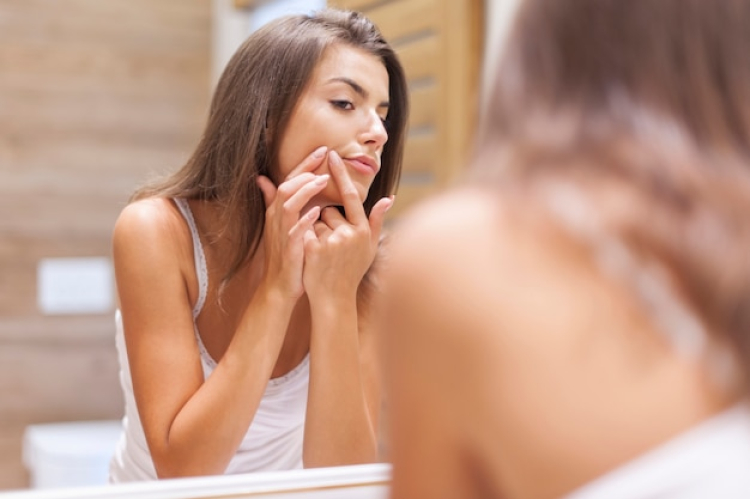
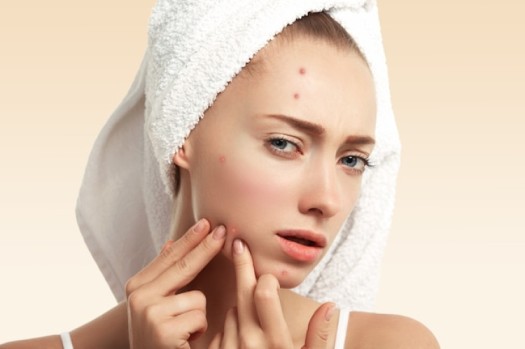
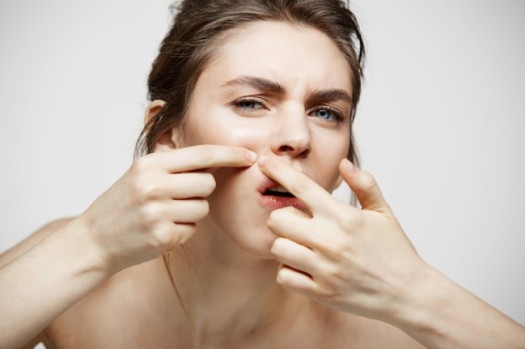
The most important advice a medical professional can give regarding closed comedones is this: Do not squeeze them.
Because the pore is closed, there is no “exit” for the trapped material. When you press down on a closed comedone, you are more likely to push the debris deeper into the dermis. This can rupture the follicle wall, leading to a massive inflammatory response. What was a tiny, flesh-colored bump can turn into a large, painful cyst overnight. Furthermore, the trauma to the surrounding skin in the delicate facial area can leave behind post-inflammatory hyperpigmentation (dark spots) or even permanent pitted scars.
Clinical Treatment Approaches
When home care isn’t enough, there are several evidence-based clinical paths to address closed comedones. Treatment is rarely a “one size fits all” situation; it usually requires a layered approach.
Topical Retinoids: The Gold Standard
In the dermatology community, retinoids (derivatives of Vitamin A) are considered the most effective way to treat and prevent comedonal acne. They work by increasing cell turnover—telling your skin to shed those “sticky” cells before they can block the pore.
It is a slow process. It often takes 8 to 12 weeks to see a significant change in skin texture. Patients often experience a “purging” phase where the bumps seem to come to the surface all at once. This is actually a sign the medication is working, but it requires patience and professional guidance to manage the associated dryness.
Chemical Peels
Salicylic acid (a Beta Hydroxy Acid or BHA) is oil-soluble, meaning it can penetrate deep into the pore to dissolve the “glue” holding the clog together. Professional-strength peels, administered in a clinical setting like CosmeSurge Hospital, Dubai, UAE, can provide a more intensive exfoliation than over-the-counter products, helping to clear existing congestion more rapidly.
Professional Extraction
Sometimes, a comedone is so deeply “fixed” that it won’t move with topical treatments alone. A trained aesthetician or dermatologist can perform a clinical extraction using a sterile comedone extractor. By applying even, controlled pressure, they can clear the pore without damaging the surrounding tissue. This should never be confused with “popping” a pimple at home.
Light and Laser Therapies
For some patients, light-based treatments can help by reducing the activity of the sebaceous glands or killing acne-causing bacteria. While usually reserved for inflammatory acne, these can sometimes be part of a broader plan to improve overall skin health and prevent future clogs.
The Patient Journey: What to Expect in the Clinic
If you decide to seek professional help for your closed comedones, your journey at a location like CosmeSurge Hospital, Dubai, UAE, typically begins with a thorough skin analysis.
A specialist won’t just look at the bumps; they will look at your skin barrier. Many people who struggle with comedones have inadvertently damaged their skin by using too many harsh scrubs or “stripping” cleansers. The goal is to clear the pores while maintaining the skin’s essential moisture.
The doctor will likely review your current skincare routine. You might be surprised to find that a “luxury” night cream or a high-coverage foundation is actually the culprit behind your clogged pores. From there, a customized plan involving topical prescriptions and perhaps a series of clinical facials or peels will be designed to gradually smooth the skin texture.
Lifestyle and Prevention: Maintaining Results
Clearing closed comedones is only half the battle; keeping them away is the other.
Double Cleansing: In the UAE, where we wear heavy sunscreen and encounter dust, a single wash often isn’t enough. Using a lightweight, non-comedogenic cleansing oil followed by a gentle water-based cleanser can ensure all debris is removed.
Non-Comedogenic Labeling: Look for products specifically labeled as non-comedogenic. This doesn’t guarantee a product won’t clog your specific pores, but it means it has been tested to be less likely to do so.
Hydration is Key: Many people think that because they have clogged pores, they should skip moisturizer. This backfires. When skin is dehydrated, it becomes less efficient at shedding cells, leading to more clogs. Use “oil-free” or “water-cream” textures instead.
Clean Your Tools: Makeup brushes, pillowcases, and even your phone screen can harbor bacteria and old oils that contribute to skin congestion.
Achieving Smooth, Healthy Skin
Dealing with uneven skin texture can truly test your patience, but it’s important to remember that your skin is a dynamic, living organ. It constantly responds to environmental changes, hormonal shifts, and the care you provide. Closed comedones are not a sign of “dirty” skin. They are simply an indication that your skin’s natural exfoliation process needs a little support.
Whether that support comes from simplifying your skincare routine, introducing targeted active ingredients, or opting for professional clinical treatments, the ultimate goal remains the same: restoring and maintaining a healthy, balanced skin barrier.
Be gentle with your skin, resist the urge to pick or squeeze, and seek guidance from qualified professionals who understand the unique challenges of maintaining healthy skin in demanding climates.
At CosmeSurge Hospital, experienced dermatology specialists provide personalized treatment plans designed to address closed comedones safely and effectively. With the right technology and expert care, achieving smoother, clearer skin is entirely within reach.
With the right approach, professional support, and a little patience, that refined, even texture you’re aiming for is achievable.
Frequently Asked Questions (FAQs)
Occasionally, your skin’s natural turnover will eventually push the clog out, but it can take months. Without intervention, they often stay dormant or eventually turn into an inflamed pimple.
Physical scrubs often only irritate the surface of the skin without reaching the deep “plug” inside the pore. Chemical exfoliants like Salicylic acid or Glycolic acid are generally much more effective for comedonal acne.
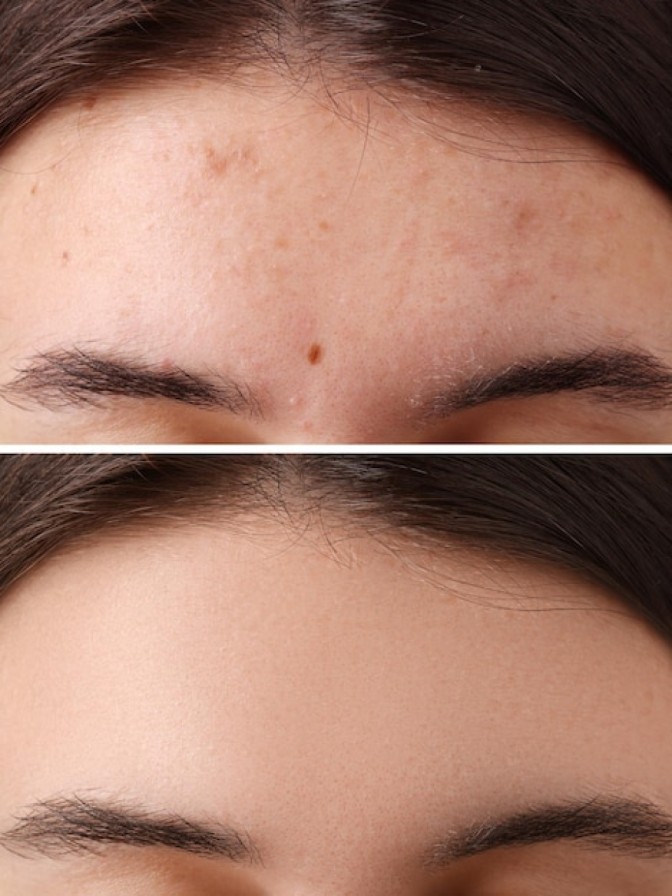
The forehead is part of the “T-zone” where oil glands are most active. Hair products (oils, pomades, or shampoos) can also migrate down to the forehead and cause “pomade acne,” which consists mainly of closed comedones.
While diet isn’t the primary cause for everyone, high-sugar and high-dairy diets have been linked to increased sebum production in some clinical studies.
Skin cells take about 28 days to renew. Most clinical treatments for closed comedones require at least two to three full skin cycles (8-12 weeks) to show a visible improvement in texture.
In common language, they are often used interchangeably. Clinically, a closed comedone is a “whitehead.” An “open comedone” is a blackhead.
Yes, this is often called “maskne.” The trapped heat and friction from the mask can push oils and makeup into the pores, creating more clogs.
No. They are caused by your own oil and skin cells trapped in a pore. They are not an infection that can be passed to others.
It is highly discouraged. Without the proper angle, lighting, and sterilization, you are very likely to cause scarring or push the blockage deeper.
Ingredients like isopropyl myristate, certain coconut oils, and thick lanolins are known to be highly comedogenic for many people.
In the UAE, the high humidity can make sebum more “fluid” but can also lead to more sweating and debris sticking to the skin, which definitely contributes to pore congestion.
Stress triggers the release of cortisol, which can indirectly lead to an increase in oil production, potentially worsening existing clogs.
While some BHAs are available over the counter, stronger retinoids (like Tretinoin or Adapalene) often require a prescription and medical supervision to prevent irritation.
No, they can be treated. However, people with a tendency toward comedonal acne usually need a long-term maintenance plan to prevent them from returning.
A basic spa facial might offer temporary relaxation, but for persistent closed comedones, a clinical facial or medical-grade extraction performed at a facility like CosmeSurge Hospital, Dubai, UAE, is generally more effective.
Medical Disclaimer & Review
Content on the CosmeSurge website is for informational and educational purposes only and does not replace professional medical advice, diagnosis, or treatment. Always consult a qualified healthcare professional for medical concerns and never delay seeking advice based on this content. In emergencies, contact your doctor or local emergency services immediately. All website content is reviewed by qualified medical professionals to ensure accuracy and alignment with current evidence-based practices.