
Otitis Media

Otitis media in Dubai
Ear infections are a leading reason for visits to ENT specialists, especially for children. Otitis media, a common type, is an infection or inflammation of the middle ear that may cause pain, fluid buildup, and temporary hearing issues. If left untreated, it can lead to complications that impact hearing and ear health.
At CosmeSurge, we provide comprehensive diagnosis and otitis media treatment in Dubai and Abu Dhabi, using advanced ENT techniques and personalized care to ensure fast recovery and long-term ear health.
Whether it’s a mild infection or a recurrent middle ear condition, our ENT specialists focus on restoring comfort and preventing recurrence through effective, evidence-based treatments.
Otitis media is an infection or inflammation of the middle ear, which is the space behind the eardrum that holds the small bones needed for hearing. It can affect one or both ears and may appear suddenly (acute otitis media) or last for a longer time (chronic otitis media).
Sometimes, fluid stays behind the eardrum even after the infection is gone. This is called serous otitis media or otitis media with effusion. It can make hearing harder and cause a feeling of fullness in the ear.
Otitis media is more common in children because of how their Eustachian tubes are shaped, but adults can get it too, especially after a cold or sinus infection.
Otitis Media usually happens when a bacterial or viral infection moves from the nose or throat into the middle ear through the eustachian tube.
This tube balances air pressure and drains fluids, but if it gets swollen or blocked, fluid can build up behind the eardrum, allowing germs to grow. Common causes and risk factors include:
- Colds, flu, or respiratory infections.
- Allergies that cause nasal congestion.
- Sinus infections
- Exposure to cigarette smoke or pollutants.
- Enlarged adenoids blocking the Eustachian tube.
- Bottle-feeding infants while lying flat.
- Recurrent ear infections or family history of otitis media.
Our ENT specialists at CosmeSurge in Dubai and Abu Dhabi carefully assess these factors to identify the underlying cause and provide targeted treatment.
Symptoms can vary depending on the age of the patient and the severity of the infection. Common signs include:
- Ear pain or pressure
- Hearing loss or muffled hearing
- Fluid drainage from the ear
- Fever or irritability in children
- Trouble sleeping or constant ear pulling (in children)
- A feeling of fullness or blockage in the ear
- Balance problems or dizziness
When fluid remains trapped behind the eardrum without infection, it results in serous Otitis Media in Dubai, which may not cause pain but often leads to hearing difficulties and discomfort.
At CosmeSurge, diagnosing Otitis Media in Dubai and Abu Dhabi begins with a detailed ENT examination and a review of your symptoms and medical history. Our diagnostic process includes:
1. Otoscopy: A painless examination using a lighted instrument to inspect the eardrum for redness, swelling, or fluid buildup.
2. Tympanometry: A simple test that measures how the eardrum moves in response to air pressure, helping detect fluid or blockages in the middle ear.
3.Hearing tests: Audiometric testing may be performed to assess the extent of any hearing loss caused by the infection or fluid buildup.
4. Imaging (If necessary): In chronic or complicated cases, imaging studies such as CT scans may be used to evaluate the middle ear structures. These assessments allow our best doctors for ear infection in Dubai and Abu Dhabi to create precise and personalized treatment plans.
Treatment for otitis media depends on the severity, frequency, and cause of the infection. At CosmeSurge, our ENT specialists provide customized management plans for both acute and chronic cases, ensuring safe and complete recovery.
1. Medical management
Most mild ear infections improve with conservative care, which may include:
- Pain relievers to reduce discomfort.
- Warm compresses to ease ear pain.
- Decongestants or nasal sprays to open Eustachian tubes.
- Antibiotics, when bacterial infection is confirmed.
- Antihistamines or allergy management if allergies are a contributing factor.
Patients are monitored closely to ensure that symptoms improve within a few days. If the infection persists, further evaluation is done to check for fluid buildup or complications.
2. Serous Otitis Media treatment
For cases of serous Otitis Media in Dubai and Abu Dhabi, treatment focuses on draining trapped fluid and preventing recurrence. Management options may include:
- Nasal decongestants or steroid sprays to reduce inflammation.
- Gentle ear insufflation techniques to equalize pressure.
- Treating nasal allergies or sinus problems contributing to blockage.
If medicine does not solve the problem, our ENT specialists might suggest a simple procedure to help air flow in the middle ear again.
3. Surgical procedures
When fluid buildup or recurrent infections cause long-term hearing issues, surgical intervention may be needed. The most common procedures include:
Myringotomy (Ear tube insertion): A small incision is made in the eardrum to drain fluid, and a tiny tube (grommet) is placed to allow continuous air flow and prevent fluid accumulation. This is a common and highly effective treatment for recurrent otitis media in children.
Adenoidectomy: In cases where enlarged adenoids block the Eustachian tubes, adenoids surgery in Dubai or Abu Dhabi may be performed alongside ear tube insertion to prevent future infections.
Chronic infection management: For persistent infections, our ear infection treatment in Dubai includes antibiotic therapy, ear cleaning, and management of sinus or nasal problems that contribute to the condition.
Our expert ENT surgeons perform these gentle treatments under general anesthesia in safe, clean settings.
While most ear infections resolve with proper treatment, recurrent or untreated cases can lead to complications such as:
- Hearing loss due to fluid buildup.
- Eardrum rupture
- Chronic suppurative otitis media (persistent drainage)
- Spread of infection to nearby structures (rare)
- Speech or developmental delays in children.
That’s why it’s essential to consult the best otitis media specialists in Dubai and Abu Dhabi early if symptoms persist.
Most patients recover from otitis media within a few days of treatment. Aftercare may include:
- Completing the full course of prescribed medication.
- Avoiding water exposure in the affected ear during healing.
- Regular follow-up visits to monitor hearing and ear health.
- Managing allergies and sinus issues to prevent recurrence.
Our team provides continuous support to ensure long-lasting relief and healthy hearing.
The cost of otitis media treatment in Dubai depends on the type of infection, diagnostic tests, and whether surgery is required.
Our ENT specialists provide transparent, detailed estimates during consultation, so you understand every step of your care plan.
At CosmeSurge, we ensure access to world-class ENT treatment that balances quality, safety, and affordability.
Before & After


Why choose CosmeSurge for Otitis Media treatment in Dubai and Abu Dhabi?
When it comes to ear infections, timely diagnosis and expert care are essential to prevent complications and restore hearing comfort. At CosmeSurge, we provide comprehensive otitis media treatment in Dubai and Abu Dhabi, delivered by experienced ENT specialists using advanced medical technology.

Specialized expertise
Our ENT doctors are highly experienced in diagnosing and treating all forms of otitis media, from mild and acute infections to chronic and recurrent ear conditions in both adults and children

Personalized care
Every ear infection is different. We design individualized treatment plans based on the severity of infection, age, symptoms, and medical history to ensure safe, effective, and lasting recovery.

Accredited medical facilities
CosmeSurge clinics across Dubai and Abu Dhabi are equipped with modern diagnostic tools and surgical facilities, allowing precise evaluation and comfortable treatment when medical or surgical intervention is required.

Commitment to safety
Your comfort, safety, and understanding are our priorities. From diagnosis through recovery, our ENT specialists provide clear guidance, compassionate care, and continuous support at every stage.
Restore Ear Health with Expert Care
Choosing CosmeSurge means receiving care from the best doctors for ear infection in Dubai, focused on restoring ear health, hearing clarity, and overall well-being.
If you’re experiencing ear pain, discharge, hearing loss, or recurrent infections, early treatment can prevent long-term complications.
Schedule your consultation today for otitis media treatment in Dubai or Abu Dhabi and let the ENT specialists at CosmeSurge help you regain comfort, hearing confidence, and peace of mind.
CosmeSurge — Trusted Care for Every Sense.
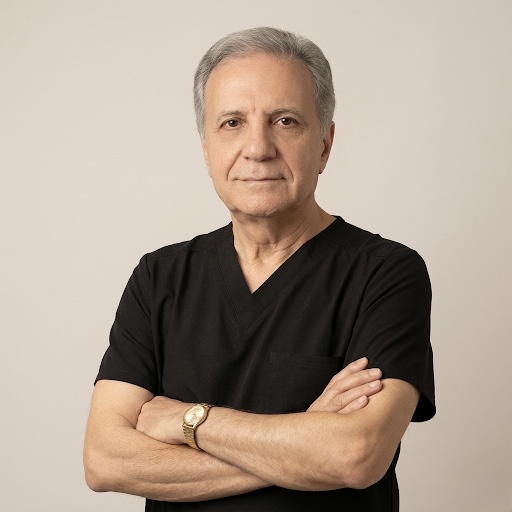
Know your specialists



FAQs
It’s usually caused by viral or bacterial infections that travel from the throat to the middle ear through the eustachian tube.
Children under five are most susceptible, but adults can also develop it after sinus or respiratory infections.
You may feel fullness or pressure in the ear, muffled hearing, or mild discomfort without pain or fever.
Diagnosis involves otoscopy, tympanometry, and hearing tests to detect infection or fluid buildup.
Yes, temporary hearing loss may occur due to fluid buildup. Chronic infections can lead to more serious damage if untreated.
Surgery is recommended only for chronic or recurrent cases that don’t respond to medication.
It’s a type of middle ear condition where non-infected fluid accumulates behind the eardrum, affecting hearing.
Most infections clear within a week, but fluid may take longer to drain completely.
Yes, by managing allergies, avoiding smoke exposure, and treating colds or sinus infections promptly.
At CosmeSurge, our ENT specialists are recognized for providing the best Otitis Media and ear infection treatment in Dubai and Abu Dhabi, using advanced diagnostics and gentle care.