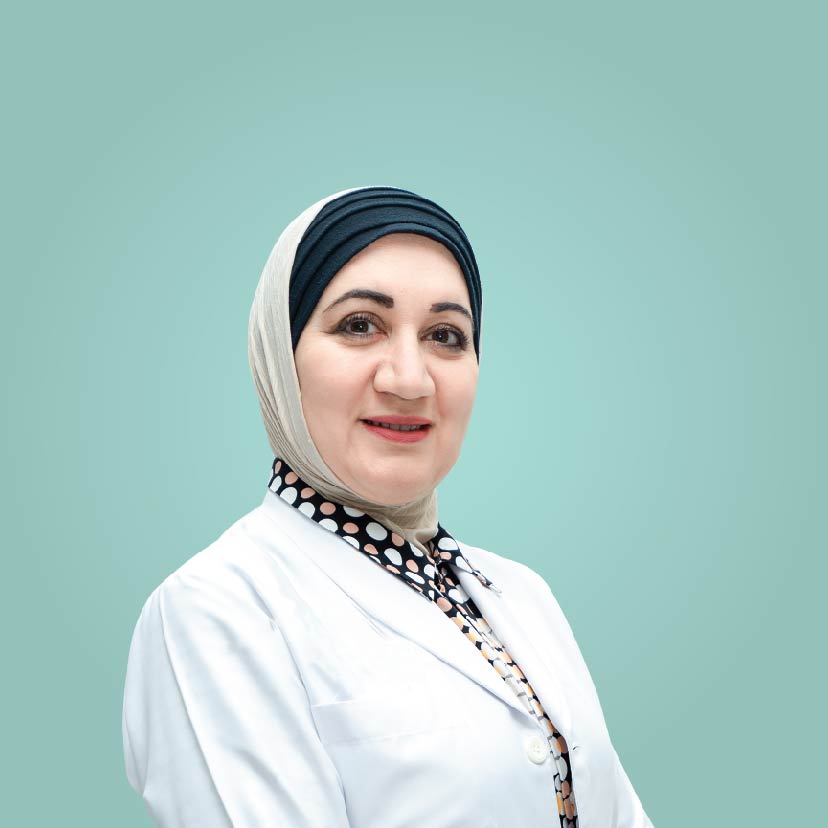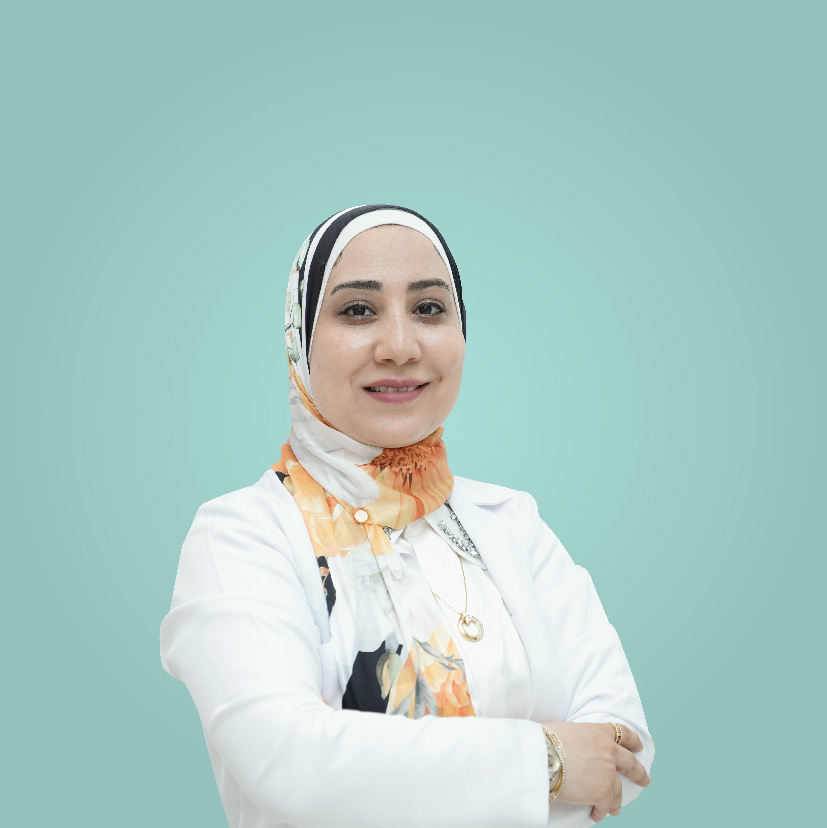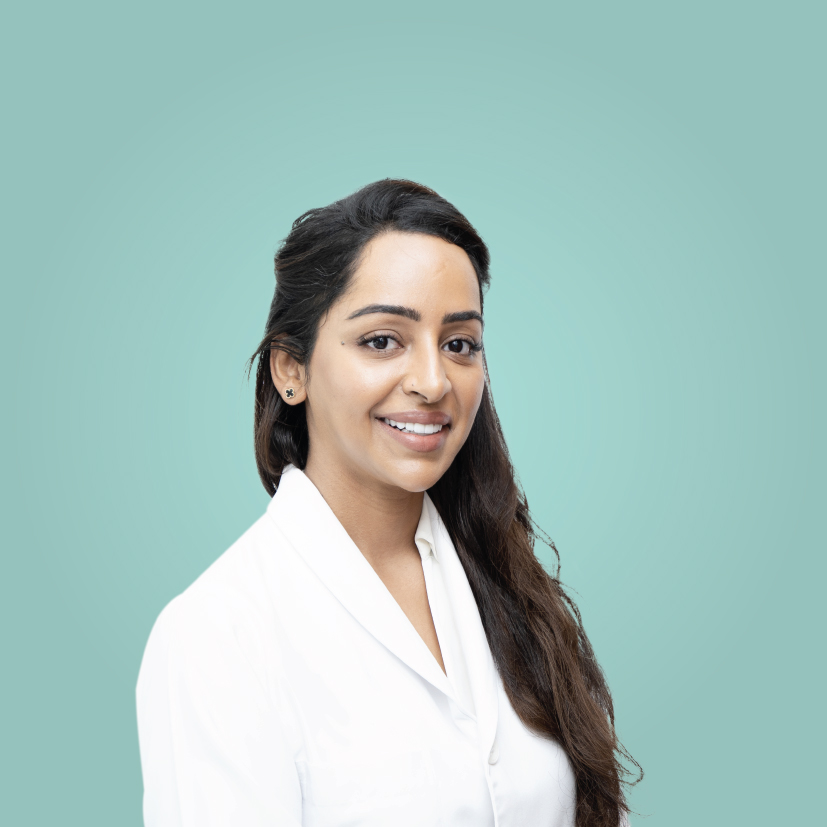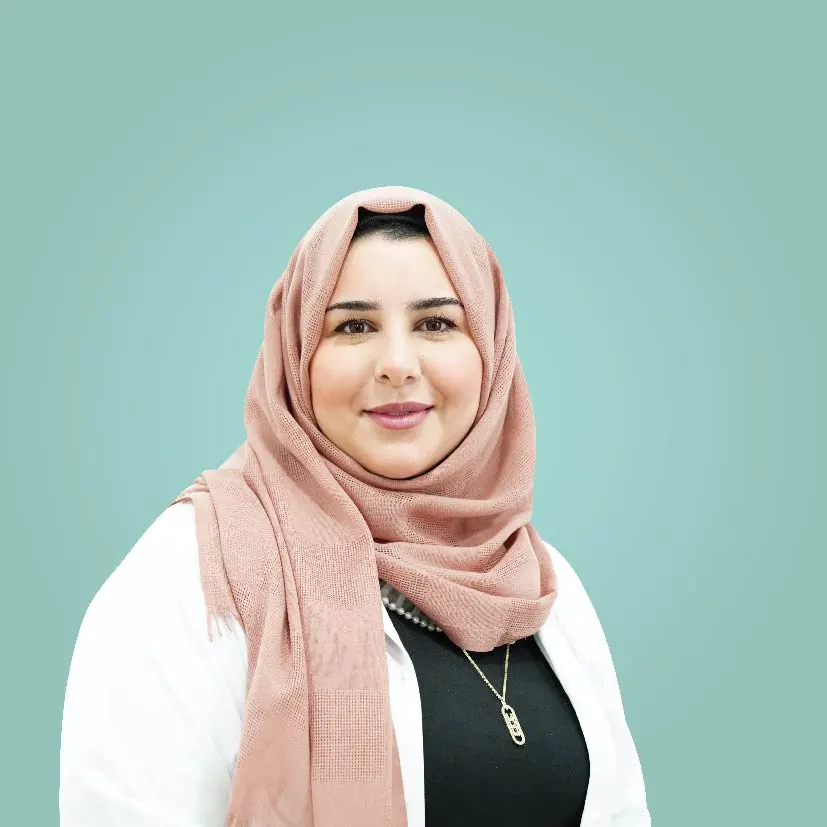


Select your doctor by specialty and preferred location to book an in-person appointment

Transform yourself with Cosmesurge, one of UAE's premier cosmetic surgery clinics. Whether you're looking to enhance your natural beauty or improve your confidence, we understand that choosing to undergo cosmetic procedures is a significant decision. As a discerning client, you deserve nothing but the best in safety and results. Our team of experts is committed to providing you with a serene, rewarding, and deeply satisfying experience, delivering some of the highest quality services available in the industry. Discover effortless natural elegance with us.
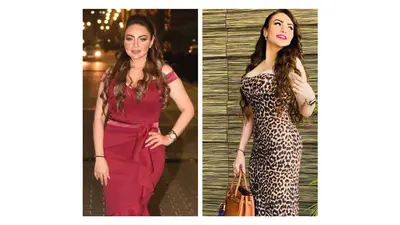
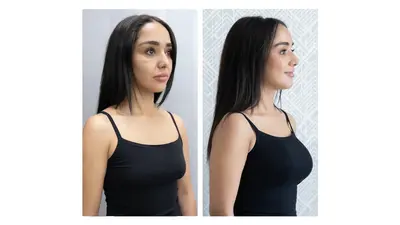
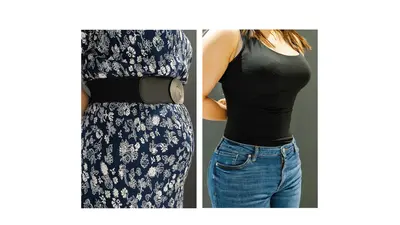
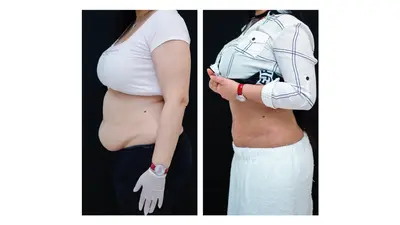
Discover the top trending cosmetic treatments at Cosmesurge! Achieve your dream look with our Face Lift, Mommy Makeover, Breast Augmentation, and other services. Trust our expert team to help you achieve your desired transformation. Book now for a life-changing experience!


At Cosmesurge, our plastic surgeons offer a range of cutting-edge treatments, including Ellysis, Ultherapy, Secret RF, Hair Fillers, Renuvion (J Plasma), etc. Our cutting-edge innovative treatments are designed to help you achieve your desired look and feel confident in your own skin. From non-invasive facial rejuvenation to body contouring, we have a wide range of options to meet your unique needs. Trust us to provide you with the highest level of care and expertise to help you look and feel your best.

Ellysis is a new generation fractional skin remodeling device that targets acne scars, stretch marks, large pores and other conditions ...
Read More
CosmeSurge is the premier cosmetic and skin clinic in the UAE, providing a comprehensive selection of treatments such as Ultherapy ...
Read More
CosmeSurge is the premier cosmetic and skin clinic in the UAE, providing a comprehensive selection of treatments including microneedling, Secret ...
Read More
CosmeSurge is the premier cosmetic and skin clinic in the United Arab Emirates, providing a comprehensive selection of treatments, such ...
Read More
Renuvion is a non-surgical procedure for skin tightening. Also known as J Plasma or J Plasty, the procedure tightens and ...
Read More
Geneo+ superfacial also populary known as OxyGeneo, is a 4-in-1 therapy to Exfoliate, Infuse, Oxygenate & Contour your skin. OxyGeneo™ ...
Read More
CosmeSurge is the go-to destination for all your cosmetic and skin care needs in the United Arab Emirates. Our experienced ...
Read More
Viora Life is an all in one machine that offers the best solutions for skin tightening, cellulite reduction, body & ...
Read More
At CosmeSurge, we are proud to be the leading cosmetic and skin clinic in the United Arab Emirates. Our experienced ...
Read More
EndyMed 3DEEP is an FDA cleared innovative radiofrequency technology which offers effective solutions for body contouring, cellulite, skin tightening, lifting, ...
Read More
EMSCULPT is the first FDA cleared body contouring method to beat the stubborn fat and gain muscle. It’s the newest ...
Read More
CosmeSurge is the leading cosmetic and skin clinic in the UAE, offering a wide range of treatments such as CoolSculpting, ...
Read MoreWe believe in conscious beauty, a mindful practice to enhance confidence, self-esteem, and the ability to feel and be your personal best. We empower you to mirror how you feel inside and what you project on the outside. We’re redefining your beauty through personalized care, tailored approach and exceptional results.


 13
State of the art facilities
13
State of the art facilities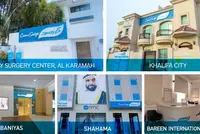
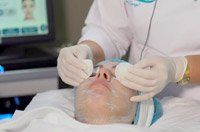
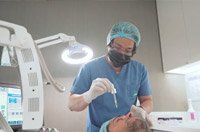
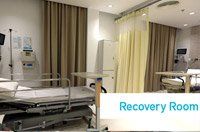


Bespoke Services
World Class Infrastructure
Cutting Edge Technology
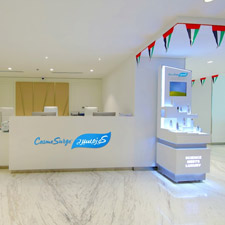
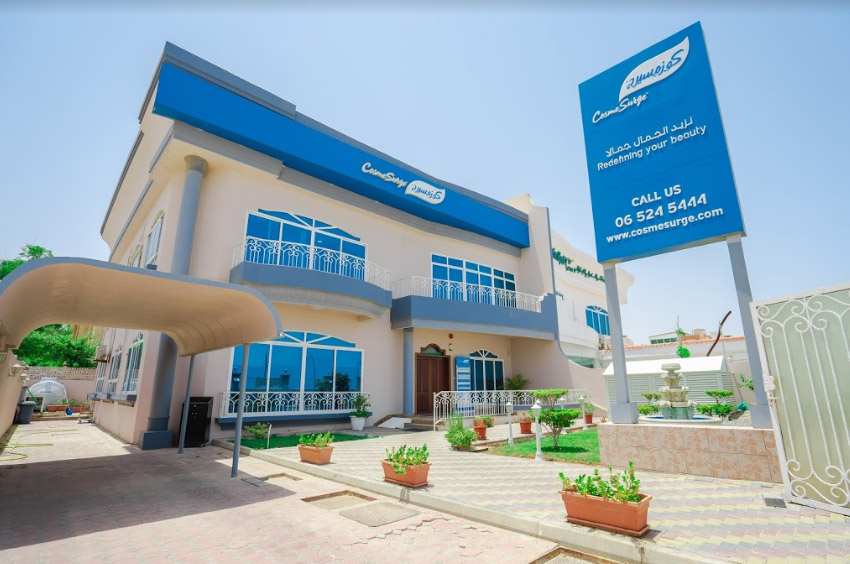
13 + State of the art Facilities
80 + Specialists
100,000 + Customers Served
Served Clients from Over 100+ Countries
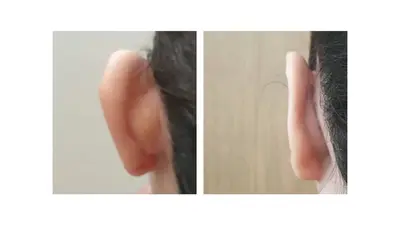
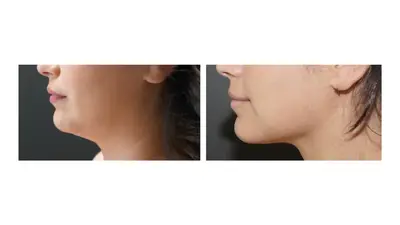
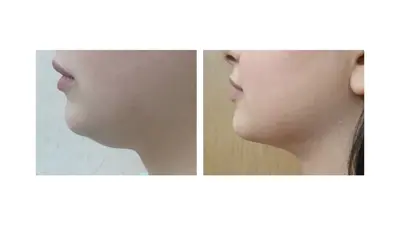
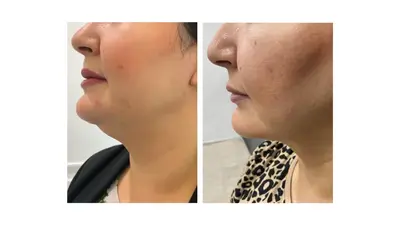
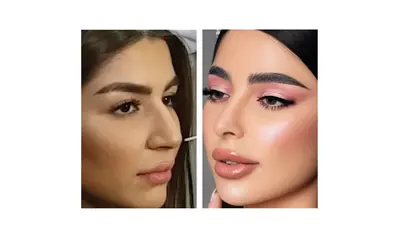
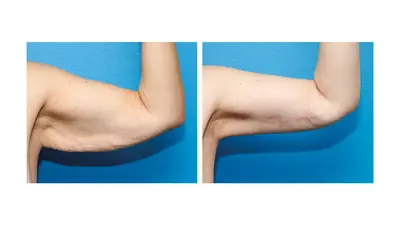
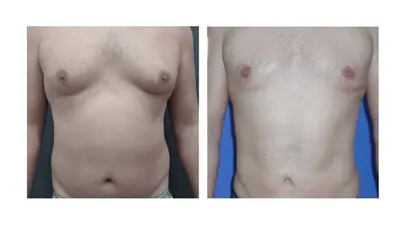
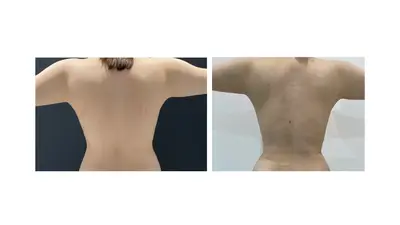
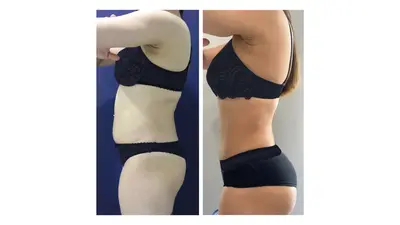
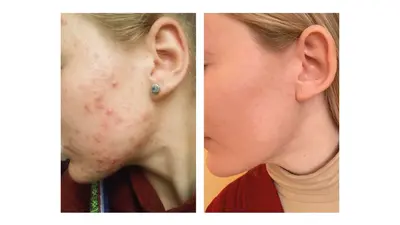
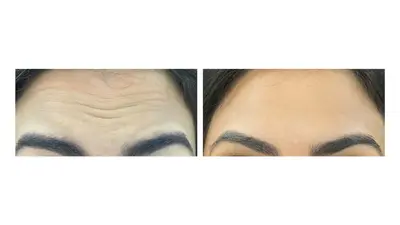
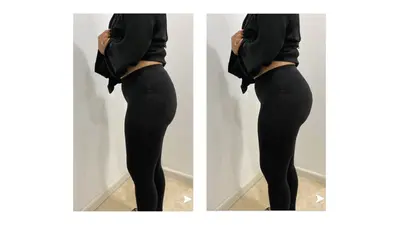
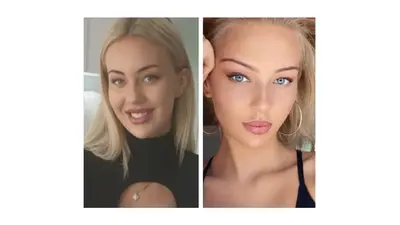
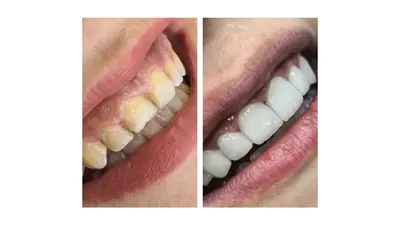
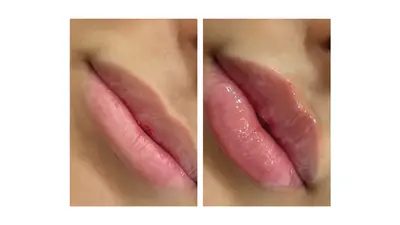
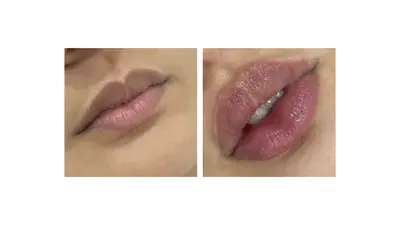
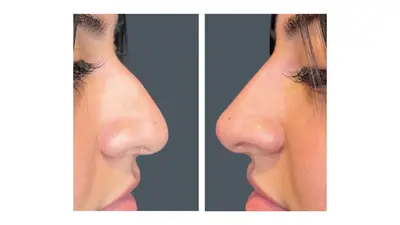
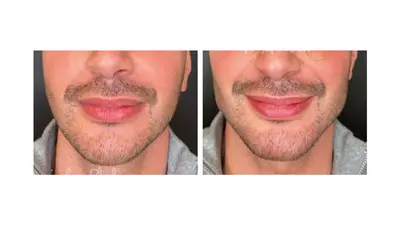
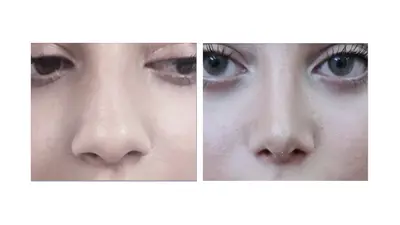
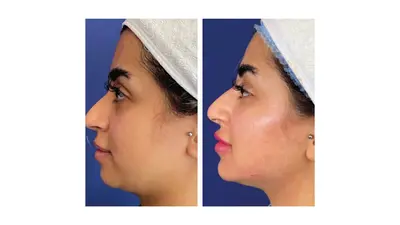
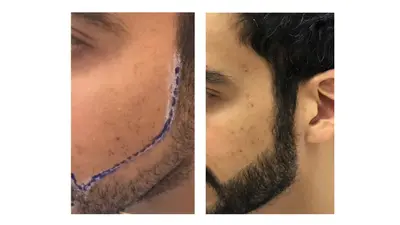
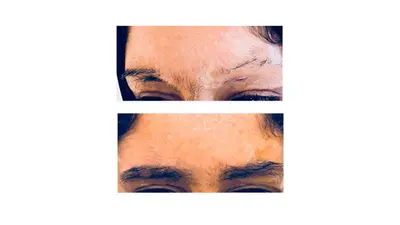
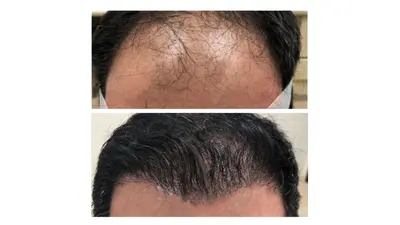
Choose us for your cosmetic surgery needs and experience real transformations. Our satisfied patients have seen incredible before and after results, and have had a pleasant experience with our team. With a commitment to delivering some of the industry's highest-quality services, you can trust us to help you achieve your desired look and feel confident in yourself. Discover effortless natural elegance with Cosmesurge.
Dr. Khalid Alshikh is the best dentist in town. Very professional doctor. Much appreciated for his usual help and support
Exceptional service in all means.Courtesy. Hospitality. Care and above all the post treatment follow up is outstanding.Simply the best.
Super highly recommended! From their clean, neat and beautiful structure of the clinic, to very accomodating receptionist/nurses and to very excellent service they provide!No waiting time as long as you come to your exact appointment.And they offer lots of promo
Genuinely had one of the greatest experience at this beauty clinic. their staff are knowledgeable and super nice. The overall service was great. Highly recommend this place.
I impressed with provided service and overall quality of procedures, staff and equipment.The anesthetization doctor is female as I asked for female team and all of them are excellent and injection given gently without any issue.Very organized and on time …Mansu and pregnant nurse provided excellent service…thank you and keep it up.it will be great if you can explain how to wear the garmentPharmacy is in same building which is very convenientRoom is clean and nice my room was in front of the main road which is bit noisy but comfortable for me to not feel lonely at night although Samar the manager asked me if I prefer to move to quiet area but I preferred to stay.Provided food for patient is also very goodOn top of that Samar is great leader and she answered my queries on time and available when needed … well doneMy recommendation is if you have any operation please document the agreed required procedures with agreed prices in writing through WhatsApp or email etc. to avoid any misunderstanding prior to operation which I did and it work perfectly (please insure to do it)
The best place I’ve been getting soft light for the longest time and I haven’t have a bad experience once the staff is nice and lovely the only thing is it’s hard to get a booking because it’s always nearly fully booked
I came from The USA specifically to see Dr. Ahmed Al-Khatib for treatment. I had a few pigmentations, and he gave me a treatment that helped improve the quality of my skin, and I was amazed at the result, within only 3 days.I have known Dr. Ahmed for 3 years. I recommend treatment with him in everything related to skin and hair. He is the best doctor I have ever known.
I Have an amazing experience with Dr. Ahmed Elkhateeb! I did some filler and he gave me some advises of what to do and honestly it is nice that I feel more confident trusting him. I am so happy about the results, thank you Dr. Ahmed and wish you all good luck inshallah.
So satisfied about this branch (reception staff+ nurses and services)They are so kind, professional, always smiling and giving the best to the clients as much as they could.Thank you to Shurooq and her colleagues (sorry not knowing their names).Dian and other nurses who provided me laser and facial services. Thanks alot.
It was a great experience with Dr. Rasha this is my third visit to Baniyas branch and I am so happy with the results after each visit. Thank you all for good service.
“”Ms.ALBENA”” THE BEST LASER THERAPIST.Very Professional and Thank you for making my laser experiment smooth and lovely. Don’t Wait just book your Appointment ^_^
Wow! I just had the most remarkable experience with Kat Her professionalism in delivering a full-body laser hair removal service was exceptional. Her unique ability to balance skilful technique with an understanding of client comfort was truly impressive. Her work led to brilliant results, resulting in smooth, hair-free skin. Kat comes highly recommended for her unmatched proficiency in this field. Don't hesitate, folks. She's a true gem in this field!
Dr. Zaidan is one of the best dentists I’ve dealt with! I did my smile with him and I’m extremely happy & satisfied with the results! He explained and gave me all the details before doing my smile! I also recommended him to many of my friends! Thank you Dr. Zaidan for such an amazing service
Our recent visit to CosmeSurge Al Jimi branch left us thoroughly impressed. The clinic's professionalism, expertise, and welcoming atmosphere made it a standout experience. We extend our sincere thanks to Manager Hiba Aboukhaled for her invaluable assistance throughout our visit. CosmeSurge Al Jimi Branch is highly recommended for top-notch cosmetic services.
Some experiences can't be forgotten. Very welcoming staff at reception. Dr. Lamia is a very kind and informative doctor. Mrs.Hiba is very cooperative and professional. I judge my customer experience based on the way i get treated as a person and also on the level of service provided. I will recommend this place to all family and friends. Thanks Cosmesurge.
Couldnt have asked for a better experience!!! The entire staff and my overall journey with cosmesurge has been of utmost quality. Top professional people down here and I’ve legit been to a whole lot of aesthetic clinics but no place like this! Dr. Hiba and the entire team did a fantastic job on my acne treatment.
I recently had a Micro laser peel with Dr. Ahmed. He was very knowledgeable and provided me with great information. MY skin is very complex, i have fine lines, wrinkles and hyperpigmentation and he was able to meet all of my challenges. Just after 2 days my skin looks and feels extremely smooth. I didn't expect after just my first treatment to see results this fast. The staff and the nurses were all very sweet and made sure i was comfortable throughout my treatment. I am beyond happy and can't wait to schedule my next appointment for Botox. I will definitely be recommend this center to my friends.
The center is professional on so many levels regarding time management, communication with the staff, services, cleanliness, and sterilization.
Great place, Good staff and doctors especially dr.aya. Products are useful and great. Highly recommended.
The center is clean , the staff are very friendly and caring ..I like the laser and hydra facialThe appointment on the time without any late
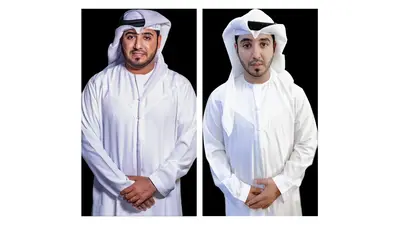
We pride ourselves on having highly experienced and specialized surgeons who are leaders in their fields. Our team of experts is dedicated to providing personalized care to each and every patient. Trust us to deliver the best possible results for your cosmetic needs. Experience the difference of working with the best in the industry.
At cosmesurge, be assured of a beautiful aesthetic natural looks with the best plastic surgery in Abu Dhabi. With 13 state-of-the-art facilities, you can get the best cosmetic surgery treatment in Abu Dhabi .We are advocates of conscious beauty, delivering the highest quality medical approach to appreciating and cultivating individual beauty needs.
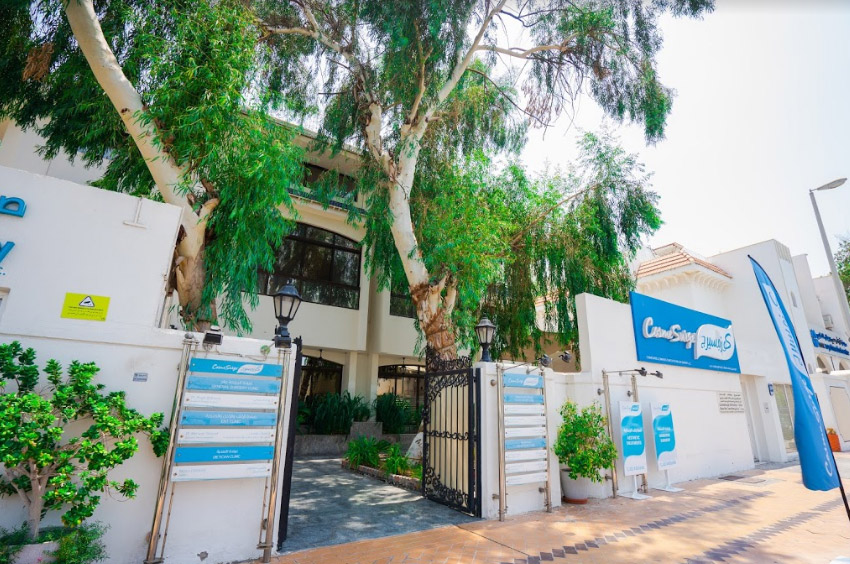
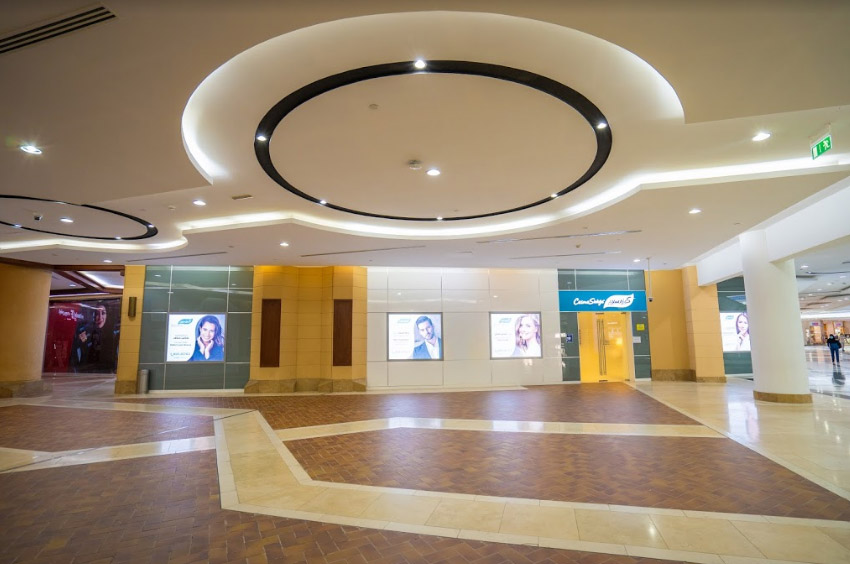
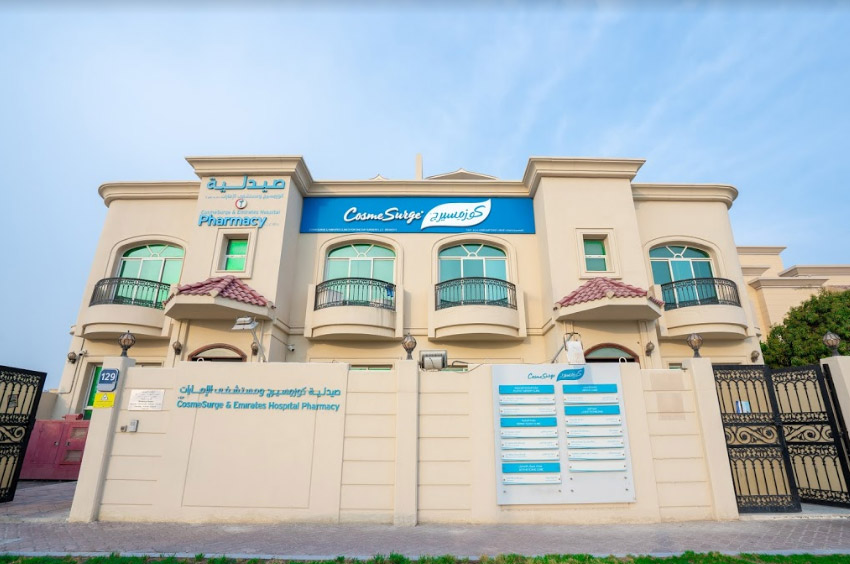
You find easy aesthetic solutions, a fit body, and natural looks with plastic surgery in Al Ain with CosmeSurge. A trusted name with the best medical practices for your needs. Restore your youth and confidence with the cosmetic surgery treatment in Al Ain with the highest medical standards for patients flying from anywhere in the world.
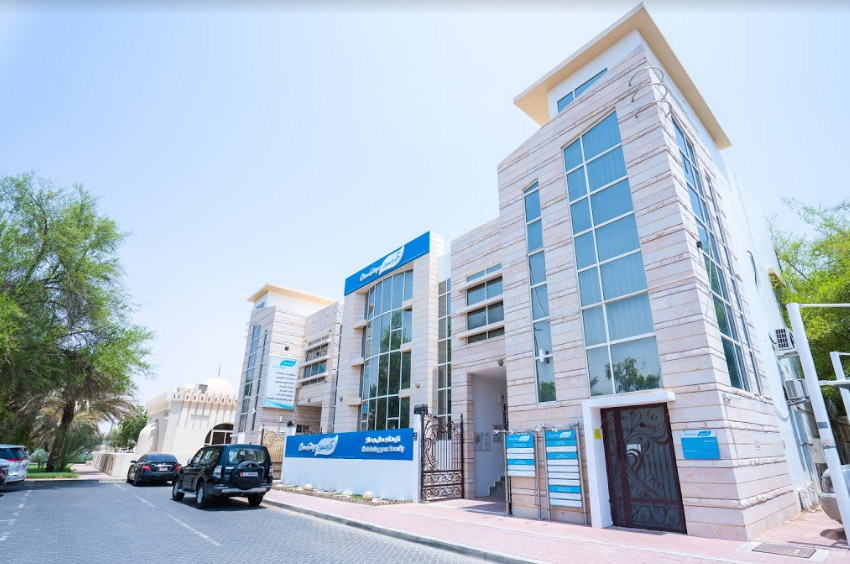
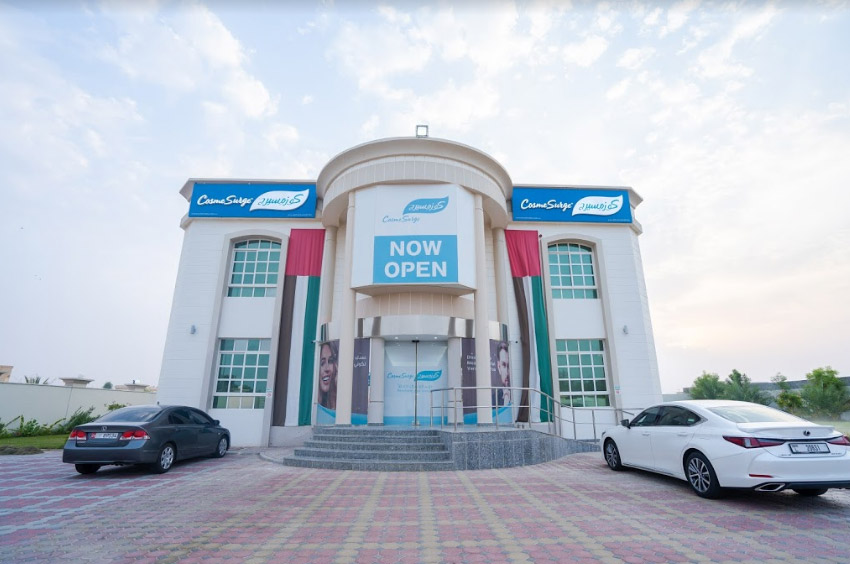
As the region’s most trusted cosmetic & plastic surgery Hospital and clinics in Dubai with over 20 years of experience, we aim to provide international standards of quality and treatment. Our team of highly qualified and internationally recognized Dermatologists and Plastic Surgeons in Dubai strives for 100% patient satisfaction with tailored treatment plans and provides quality medical care and service.
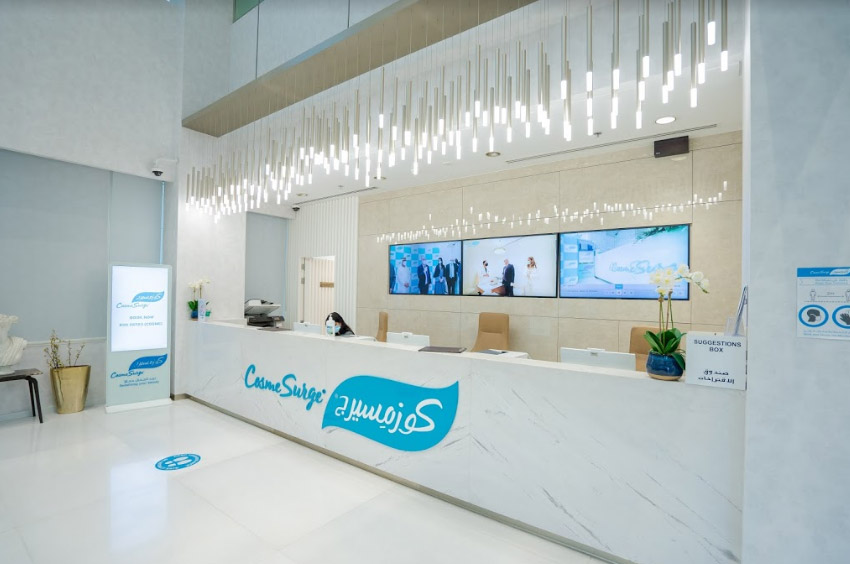
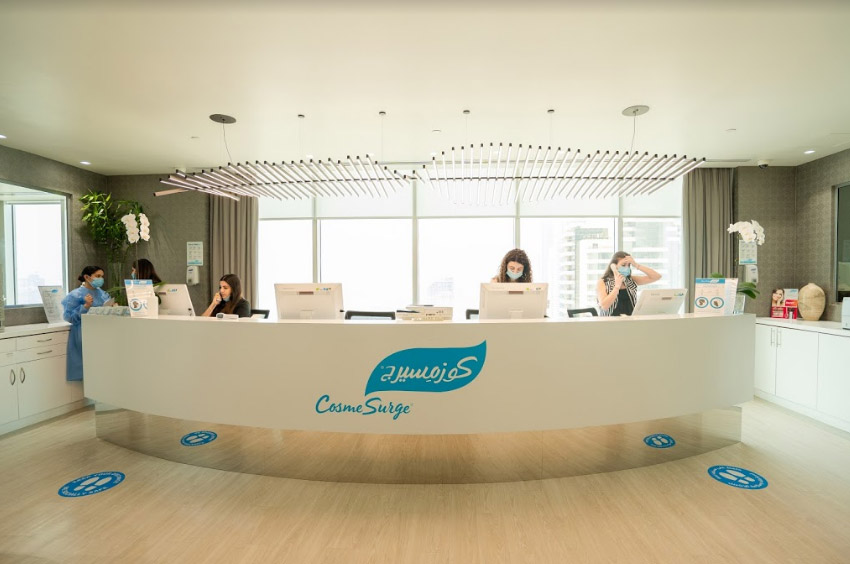
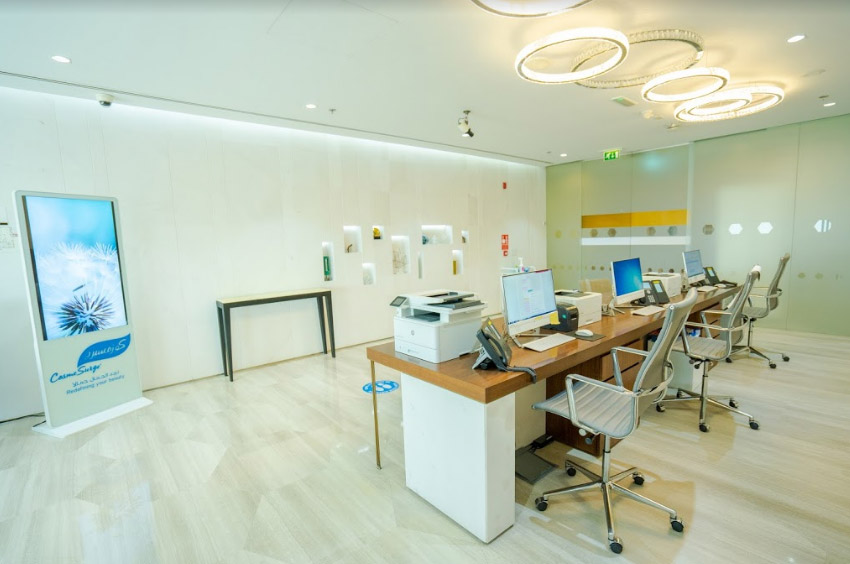
All non-surgical and surgical solutions for your personal beauty needs are now accessible. With state-of-the-art services from Cosmesurge, your imagination is a reality with Fujairah's Latest plastic surgery treatment in our Clinics. An experienced name with two decades of serving clients, will transform your beauty dreams into reality!
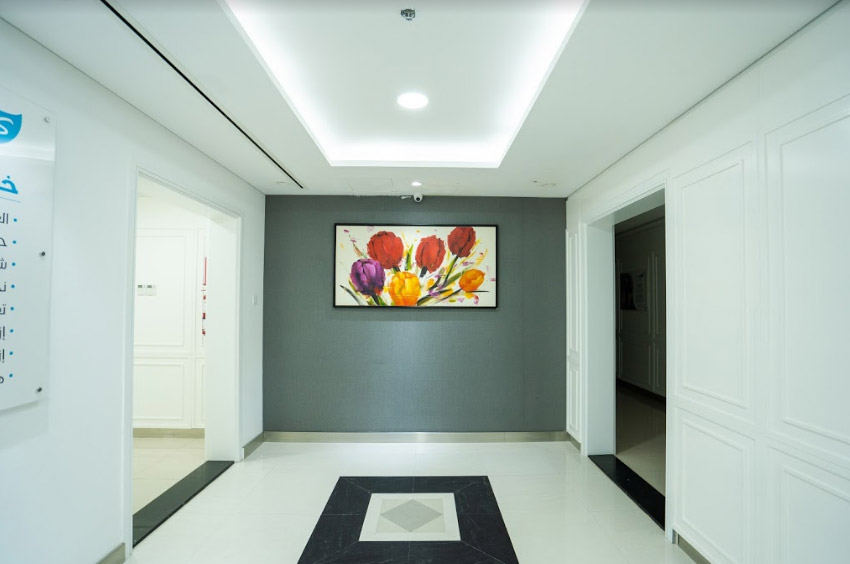
Transform your body with our exceptional cosmetic and plastic surgery services in Ras Al Khaimah. With our 13 cutting-edge facilities, CosmeSurge is renowned for delivering stunning results for your face and body. Experience the latest treatments in Ras Al Khaimah and embrace a timeless, natural appearance.
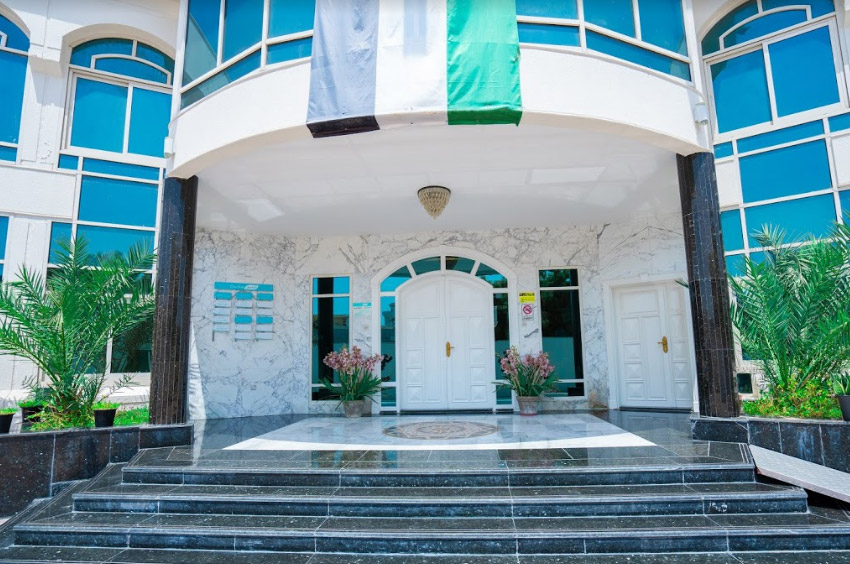
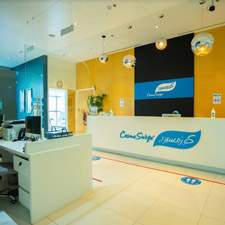
Experience the best in cosmetic and plastic surgery at CosmeSurge, the leading clinic in UAE. Discover conscious beauty and natural results with our state-of-the-art facilities in Sharjah. Trust CosmeSurge for all your cosmetic treatment needs and complete beauty solutions.